Ukraine: Big Boeing, big plans for Aerosvit
Published:
9 November 2002 y., Saturday
When Aerosvit flight 171 lifted off from Boryspil airport on Nov. 4, it opened a new chapter in the airline’s history. Not only did the flight mark the company’s inaugural trip to Bangkok, it was the first trip made by the airline’s newly acquired Boeing 767‑300ER aircraft.
Acquisition of the Boeing 767 is part of an aggressive marketing plan that the airline hopes will eventually position it as the nation’s dominant long‑haul international airline. Aerosvit began serving Dubai last September, and plans to acquire an additional 767 in April 2003, enabling the carrier to add routes to New York, Seoul, Toronto and Delhi.
Aerosvit acquired the Boeing 767 aircraft on a long‑term lease from Boeing Capital, the finance arm of the U.S.‑based aircraft manufacturer. The twin‑engine wide‑body had previously been used by SAS.
The new addition to Aerosvit’s fleet is the largest‑capacity Boeing jet operated by any Ukrainian airline. The company also operates six other Boeing aircraft: a 737‑200, a 737‑300, and four 737‑500s.
Aerosvit carries about 30 percent of all passengers transported by Ukrainian airlines. Last year, it carried 316,000 passengers, a 28.4 percent increase over the year before, and rang up a healthy $1.8 million.
Šaltinis:
kpnews.com
Copying, publishing, announcing any information from the News.lt portal without written permission of News.lt editorial office is prohibited.
The most popular articles
 In another move to strengthen the financial system, the Commission is proposing controls on credit rating agencies - private companies that evaluate financial risks for investors.
more »
In another move to strengthen the financial system, the Commission is proposing controls on credit rating agencies - private companies that evaluate financial risks for investors.
more »
 Monday 10 November saw a large report land on the desk of MEPs in the Budgetary Control Committee.
more »
Monday 10 November saw a large report land on the desk of MEPs in the Budgetary Control Committee.
more »
 EU wants G20 meeting to pave the way for reform of the international financial system.
more »
EU wants G20 meeting to pave the way for reform of the international financial system.
more »
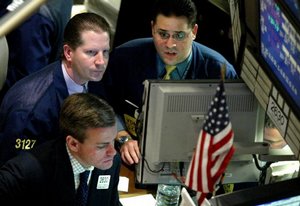 New Yorkers reflect on the election of Barack Obama as the 44th President of the United States.
more »
New Yorkers reflect on the election of Barack Obama as the 44th President of the United States.
more »
 The ability of the EU's common agriculture policy (CAP) to cope with the challenges of affordable food and climate change was discussed in Brussels 3-4 November.
more »
The ability of the EU's common agriculture policy (CAP) to cope with the challenges of affordable food and climate change was discussed in Brussels 3-4 November.
more »
 European Union economic growth should be 1.4% in 2008, half what it was in 2007, and drop even more sharply in 2009 to 0.2% before recovering gradually to 1.1% in 2010 (1.2%, 0.1% and 0.9%, respectively, for the euro area).
more »
European Union economic growth should be 1.4% in 2008, half what it was in 2007, and drop even more sharply in 2009 to 0.2% before recovering gradually to 1.1% in 2010 (1.2%, 0.1% and 0.9%, respectively, for the euro area).
more »
 There are an estimated 4-8 million immigrants working illegally in the European Union.
more »
There are an estimated 4-8 million immigrants working illegally in the European Union.
more »
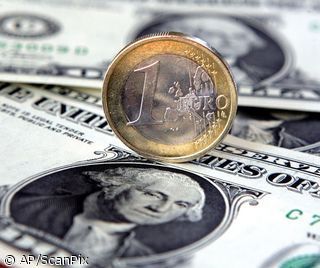 Hit by economic turmoil and the sharp global downturn, growth in the EU slows almost to a halt.
more »
Hit by economic turmoil and the sharp global downturn, growth in the EU slows almost to a halt.
more »
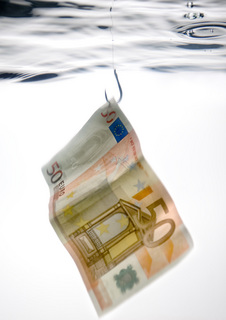 The top priority is to cushion the impact of the financial crisis on jobs, purchasing power and prosperity of EU citizens.
more »
The top priority is to cushion the impact of the financial crisis on jobs, purchasing power and prosperity of EU citizens.
more »
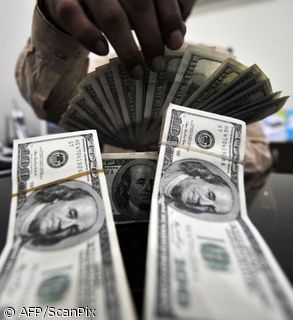 The International Monetary Fund has approved short-term financing to help emerging market economies weather the global financial storm.
more »
The International Monetary Fund has approved short-term financing to help emerging market economies weather the global financial storm.
more »