Criminals disguising illicit earnings stay ahead of police efforts to crack down
Published:
28 March 2003 y., Friday
Chinese restaurants that stand empty day and night. Jewelry shops with no customers. Nightclubs without dancers. Travel agencies that don't organize travel.
These are all businesses known at times to launder money -- typically by disguising illicitly generated cash as legal earnings and passing the money through the mainstream banking system.
"There are businesses where it is easier to hide money. I know that Czechs like to travel, but you have a huge amount of travel agencies in Prague," said John Mottram, a European Union accession adviser working on money-laundering policy at the Interior Ministry. "There are also lots of restaurants and bars. I'm sure a number of those businesses are covers for criminal groups, even if the employees there don't realize it."
These days, however, such firms are at the low end of vehicles used to hide sources of ill-gotten gains, observers say. Financial authorities, forensic specialists and bank security officials said money launderers are increasingly using legal and accountancy services, modern computer and Internet technology, stock market transactions and shadowy shell companies in an effort to stay ahead of investigators. As a result, these observers say, authorities are having a harder time than ever finding and prosecuting offenders, even as lawmakers institute EU-compliant laws and banks become more watchful.
Šaltinis:
The Prague Post
Copying, publishing, announcing any information from the News.lt portal without written permission of News.lt editorial office is prohibited.
The most popular articles
 The future of Europe's troubled car market and 12 million jobs was under scrutiny Tuesday.
more »
The future of Europe's troubled car market and 12 million jobs was under scrutiny Tuesday.
more »
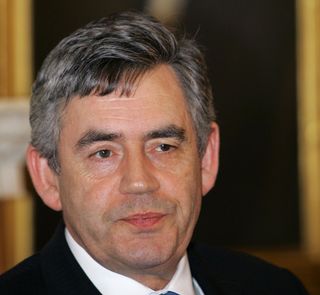 Europe must take the lead in finding solutions to the global crisis at next week's G20 summit, British prime minister Gordon Brown told MEPs in a speech in Strasbourg on Tuesday that was warmly welcomed by leaders of the main political groups.
more »
Europe must take the lead in finding solutions to the global crisis at next week's G20 summit, British prime minister Gordon Brown told MEPs in a speech in Strasbourg on Tuesday that was warmly welcomed by leaders of the main political groups.
more »
 The US and Europe are in the worst economic crisis since the 1930s. With unemployment rising dramatically and businesses failing, fear is spreading.
more »
The US and Europe are in the worst economic crisis since the 1930s. With unemployment rising dramatically and businesses failing, fear is spreading.
more »
 Monday evening sees MEPs consider the emotive subject of food prices in Europe.
more »
Monday evening sees MEPs consider the emotive subject of food prices in Europe.
more »
 Shares in Wincor Nixdorf AG have fallen 3.5 percent and the ATM company says it is preparing to cut production hours.
more »
Shares in Wincor Nixdorf AG have fallen 3.5 percent and the ATM company says it is preparing to cut production hours.
more »
 Leaders agreed to use €5bn in unspent EU funds to upgrade energy and internet connections. And they raised the ceiling on EU aid to countries having difficulties.
more »
Leaders agreed to use €5bn in unspent EU funds to upgrade energy and internet connections. And they raised the ceiling on EU aid to countries having difficulties.
more »
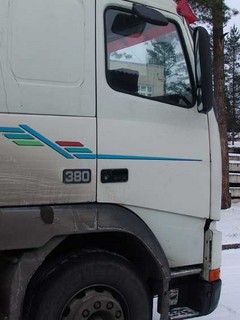 Charges on heavy-goods vehicles should be based in part on the air and noise pollution they produce, according to legislation approved by the European Parliament today.
more »
Charges on heavy-goods vehicles should be based in part on the air and noise pollution they produce, according to legislation approved by the European Parliament today.
more »
 EU agriculture officials are about to get a reality check. Starting next year, their on-the-job training will include a stint on a working farm.
more »
EU agriculture officials are about to get a reality check. Starting next year, their on-the-job training will include a stint on a working farm.
more »
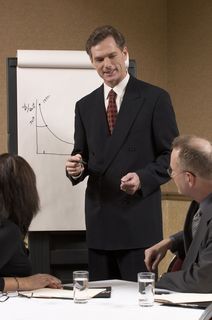 Privatisation, balanced budgets, low public deficits, and free trade have long been the mantra for prudent economic management.
more »
Privatisation, balanced budgets, low public deficits, and free trade have long been the mantra for prudent economic management.
more »
 Building roads and pipelines, ensuring food safety, improving education, fighting discrimination and boosting jobs are all funded from the EU budget.
more »
Building roads and pipelines, ensuring food safety, improving education, fighting discrimination and boosting jobs are all funded from the EU budget.
more »