Protests against fuel prices blocked highways across Europe Tuesday.
Published:
13 September 2000 y., Wednesday
Protests against fuel prices blocked highways across Europe Tuesday and as pumps ran dry in Britain Prime Minister Tony Blair vowed tough action to move supplies through blockades.
Hauliers furious at high prices and taxes promised more wildcat action across the continent. Protests began in Germany and more were likely in Spain and Ireland.
Although crude oil prices dropped more than $1.30 a barrel, oil traders warned that market fundamentals pointed to continuing high prices in spite of an OPEC pledge to increase production.
Panic buying swept Britain, draining the few remaining supplies of fuel. In the worst hit areas, rubbish went uncollected and hospitals canceled non-emergency services.
"Whatever the strength of feeling there can be no excuse whatever for this type of action which is hurting our people, businesses and emergency services severely," Blair told a news conference after cutting short a visit to northern England.
"Legitimate protest is one thing, trying to bring the country to a halt is quite another," he said, adding that he hoped the situation would be on the way back to normal within 24 hours.
The Organization of the Petroleum Exporting Countries decided Sunday to raise output by 800,000 barrels per day.
European Union foreign ministers said Tuesday that OPEC's latest output increase should help stabilize world oil prices. The bloc's transport ministers said they would meet next week to discuss the impact of high prices.
Šaltinis:
lycos.com
Copying, publishing, announcing any information from the News.lt portal without written permission of News.lt editorial office is prohibited.
The most popular articles
 The financial and economic crisis has shown that reckless behaviour of banks and other financial institutions can have serious and costly consequences for Europe's economy and its people.
more »
The financial and economic crisis has shown that reckless behaviour of banks and other financial institutions can have serious and costly consequences for Europe's economy and its people.
more »
 Local services that create jobs and improve energy efficiency received a boost Thursday (2 September) when MEPs on the Industry, Research and Energy Committee approved plans for more investment.
more »
Local services that create jobs and improve energy efficiency received a boost Thursday (2 September) when MEPs on the Industry, Research and Energy Committee approved plans for more investment.
more »
 The European Commission approved the first financing decisions under the EUR 264 million 2010 allocation for the so-called Vulnerability FLEX mechanism to help the most vulnerable African, Caribbean and Pacific countries cope with the impact of the global financial crisis and economic downturn.
more »
The European Commission approved the first financing decisions under the EUR 264 million 2010 allocation for the so-called Vulnerability FLEX mechanism to help the most vulnerable African, Caribbean and Pacific countries cope with the impact of the global financial crisis and economic downturn.
more »
 The European Commission has today updated the list of airlines banned in the European Union to impose an operating ban on one air carrier from Ghana and to place operating restrictions on another air carrier from that country.
more »
The European Commission has today updated the list of airlines banned in the European Union to impose an operating ban on one air carrier from Ghana and to place operating restrictions on another air carrier from that country.
more »
 The European Commission today approved an application from Denmark for assistance under the European Globalisation adjustment Fund (EGF).
more »
The European Commission today approved an application from Denmark for assistance under the European Globalisation adjustment Fund (EGF).
more »
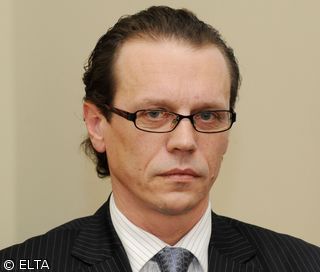 Algirdas Šemeta, EU Commissioner for Taxation, Customs Union, Anti-Fraud and Audit, will open tomorrow an international conference at the Shanghai World Expo 2010 on building bridges to facilitate trade between China and the EU.
more »
Algirdas Šemeta, EU Commissioner for Taxation, Customs Union, Anti-Fraud and Audit, will open tomorrow an international conference at the Shanghai World Expo 2010 on building bridges to facilitate trade between China and the EU.
more »
 Moldova is set to receive an EU grant of up to €90 million to help it through the financial crisis, following a vote at Parliament's Committee on International Trade on Monday.
more »
Moldova is set to receive an EU grant of up to €90 million to help it through the financial crisis, following a vote at Parliament's Committee on International Trade on Monday.
more »
 Important notice: since May 2010 business surveys data are classified in accordance with an updated version of the Nomenclature of Economic Activities (NACE rev. 2) causing a potential break in series at this date.
more »
Important notice: since May 2010 business surveys data are classified in accordance with an updated version of the Nomenclature of Economic Activities (NACE rev. 2) causing a potential break in series at this date.
more »
 75% of Europeans think that stronger coordination of economic and financial policies among EU Member States would be effective in fighting the economic crisis, according to the Spring 2010 Eurobarometer, the bi-annual opinion poll organised by the EU.
more »
75% of Europeans think that stronger coordination of economic and financial policies among EU Member States would be effective in fighting the economic crisis, according to the Spring 2010 Eurobarometer, the bi-annual opinion poll organised by the EU.
more »
 The European Commission has extended until the end of the year the liquidity support scheme for banks in Slovenia.
more »
The European Commission has extended until the end of the year the liquidity support scheme for banks in Slovenia.
more »