ECB expected to leave rates on hold; German business confidence to slide again
Published:
17 June 2001 y., Sunday
An ECB meeting, Euro zone inflation figures and the latest survey on German business confidence get top billing in this week's look-ahead.
The European Central Bank, which sets interest rates for the 12 nations that form the euro zone, has been criticized for being slow to lower interest rates. Its moved just one time this year by a quarter point.
Stingy compared to the aggressive action by U.S. Federal Reserve and even the Bank of England, which has cut rates three times, to avoid a U.S.-led global economic slowdown.But inflation is well above the ECB's ceiling target of 2 percent. It hit 2.9 percent in April. And the May number is expected to be at least 3.3 percent
The Frankfurt-based central bank warned on Thursday inflation could gather pace to reach 2.7 percent for the year. The December prediction had anticipated a minimum year-on-year inflation rate of 1.8 percent.
The ECB is meeting this week. But the consensus is that it will not move on interest rates. Economic growth is forcast to grow between 2.2 and 2.8 percent in the euro zone for 2001, the ECB said. In December, the ECB had forecast growth could reach as high as 3.6 percent.
Šaltinis:
cnnfn.cnn.com
Copying, publishing, announcing any information from the News.lt portal without written permission of News.lt editorial office is prohibited.
The most popular articles
 In another move to strengthen the financial system, the Commission is proposing controls on credit rating agencies - private companies that evaluate financial risks for investors.
more »
In another move to strengthen the financial system, the Commission is proposing controls on credit rating agencies - private companies that evaluate financial risks for investors.
more »
 Monday 10 November saw a large report land on the desk of MEPs in the Budgetary Control Committee.
more »
Monday 10 November saw a large report land on the desk of MEPs in the Budgetary Control Committee.
more »
 EU wants G20 meeting to pave the way for reform of the international financial system.
more »
EU wants G20 meeting to pave the way for reform of the international financial system.
more »
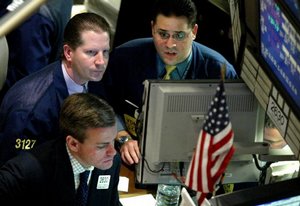 New Yorkers reflect on the election of Barack Obama as the 44th President of the United States.
more »
New Yorkers reflect on the election of Barack Obama as the 44th President of the United States.
more »
 The ability of the EU's common agriculture policy (CAP) to cope with the challenges of affordable food and climate change was discussed in Brussels 3-4 November.
more »
The ability of the EU's common agriculture policy (CAP) to cope with the challenges of affordable food and climate change was discussed in Brussels 3-4 November.
more »
 European Union economic growth should be 1.4% in 2008, half what it was in 2007, and drop even more sharply in 2009 to 0.2% before recovering gradually to 1.1% in 2010 (1.2%, 0.1% and 0.9%, respectively, for the euro area).
more »
European Union economic growth should be 1.4% in 2008, half what it was in 2007, and drop even more sharply in 2009 to 0.2% before recovering gradually to 1.1% in 2010 (1.2%, 0.1% and 0.9%, respectively, for the euro area).
more »
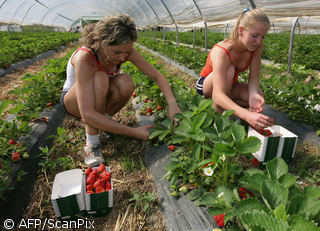 There are an estimated 4-8 million immigrants working illegally in the European Union.
more »
There are an estimated 4-8 million immigrants working illegally in the European Union.
more »
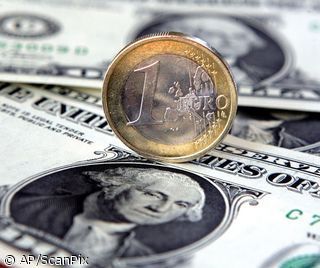 Hit by economic turmoil and the sharp global downturn, growth in the EU slows almost to a halt.
more »
Hit by economic turmoil and the sharp global downturn, growth in the EU slows almost to a halt.
more »
 The top priority is to cushion the impact of the financial crisis on jobs, purchasing power and prosperity of EU citizens.
more »
The top priority is to cushion the impact of the financial crisis on jobs, purchasing power and prosperity of EU citizens.
more »
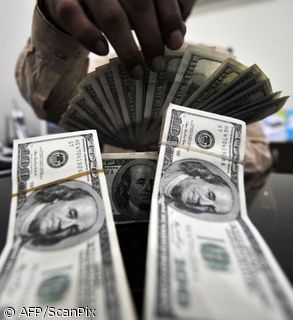 The International Monetary Fund has approved short-term financing to help emerging market economies weather the global financial storm.
more »
The International Monetary Fund has approved short-term financing to help emerging market economies weather the global financial storm.
more »