Finance Minister Csaba László met with Hungarian International Press Association journalists last week to discuss government steps taken to avoid another currency crisis
Published:
1 January 2004 y., Thursday
"In the past couple of weeks and months," László began, "it was clear that the market was becoming nervous." He explained that the main issues of economic policy had been decided in the past two to three months and that the inflation target risk was higher than it should be.
He continued that the finance ministry had "many discussions with the central bank (The Hungarian National Bank or MNB), the prime minister and government." László said that the ministry had to "initiate some measures" which had, according to the minister, the clear support of government and the MNB.
László commented that a number of savings would have to be made and was hoping to cut Ft80 billion ($369.9 million) from the national deficit next year. While the finance ministry was considering savings within government departments, László said that last year, the total value of housing loans increased by Ft700 billion ($3.25 billion) which was roughly 3-4% of GDP. He believed that this "directly affected the current account deficit".
"Tough measures" were to be introduced, László said. "We believe that Ft300 billion ($1.39 billion) less in housing loans could be drawn by the public," László commented, adding that the difference could be made up by the banking sector.
Šaltinis:
budapestsun.com
Copying, publishing, announcing any information from the News.lt portal without written permission of News.lt editorial office is prohibited.
The most popular articles
 In another move to strengthen the financial system, the Commission is proposing controls on credit rating agencies - private companies that evaluate financial risks for investors.
more »
In another move to strengthen the financial system, the Commission is proposing controls on credit rating agencies - private companies that evaluate financial risks for investors.
more »
 Monday 10 November saw a large report land on the desk of MEPs in the Budgetary Control Committee.
more »
Monday 10 November saw a large report land on the desk of MEPs in the Budgetary Control Committee.
more »
 EU wants G20 meeting to pave the way for reform of the international financial system.
more »
EU wants G20 meeting to pave the way for reform of the international financial system.
more »
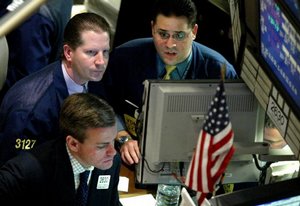 New Yorkers reflect on the election of Barack Obama as the 44th President of the United States.
more »
New Yorkers reflect on the election of Barack Obama as the 44th President of the United States.
more »
 The ability of the EU's common agriculture policy (CAP) to cope with the challenges of affordable food and climate change was discussed in Brussels 3-4 November.
more »
The ability of the EU's common agriculture policy (CAP) to cope with the challenges of affordable food and climate change was discussed in Brussels 3-4 November.
more »
 European Union economic growth should be 1.4% in 2008, half what it was in 2007, and drop even more sharply in 2009 to 0.2% before recovering gradually to 1.1% in 2010 (1.2%, 0.1% and 0.9%, respectively, for the euro area).
more »
European Union economic growth should be 1.4% in 2008, half what it was in 2007, and drop even more sharply in 2009 to 0.2% before recovering gradually to 1.1% in 2010 (1.2%, 0.1% and 0.9%, respectively, for the euro area).
more »
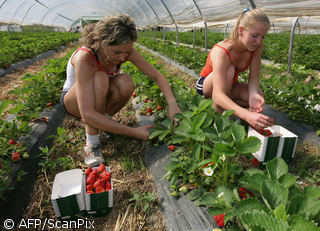 There are an estimated 4-8 million immigrants working illegally in the European Union.
more »
There are an estimated 4-8 million immigrants working illegally in the European Union.
more »
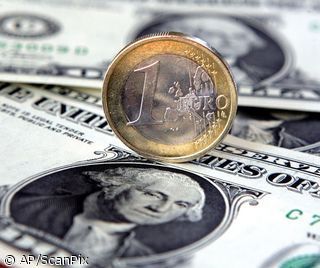 Hit by economic turmoil and the sharp global downturn, growth in the EU slows almost to a halt.
more »
Hit by economic turmoil and the sharp global downturn, growth in the EU slows almost to a halt.
more »
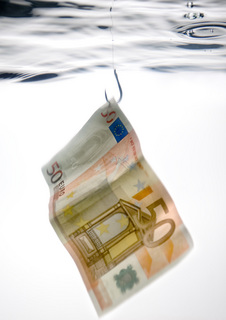 The top priority is to cushion the impact of the financial crisis on jobs, purchasing power and prosperity of EU citizens.
more »
The top priority is to cushion the impact of the financial crisis on jobs, purchasing power and prosperity of EU citizens.
more »
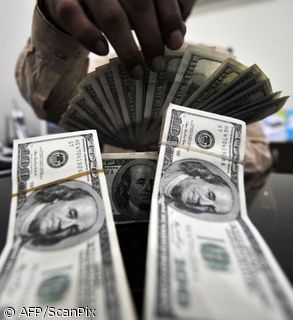 The International Monetary Fund has approved short-term financing to help emerging market economies weather the global financial storm.
more »
The International Monetary Fund has approved short-term financing to help emerging market economies weather the global financial storm.
more »