Motorola has notified customers of Iridium, the financially troubled satellite telephone system it bankrolled, that service would end March 17 unless a buyer for Iridium comes forward.
Published:
16 March 2000 y., Thursday
In a letter sent last week to customers who bought Iridium phones directly from Motorola, the Schaumburg, Ill.-based telecommunications company said it would continue support for Iridium until March 17, when Iridium_s last-ditch financing runs out. Motorola was the primary backer of Iridium and owns a
stake in the company, which filed for Chapter 11 bankruptcy protection last August. "Unless a qualified buyer comes forward and provides additional funding by March 15, 2000, we do not expect Iridium service to be available after 11:59 p.m. EST on March 17, 2000," Motorola_s cellular service division said in the letter dated March 6. If Iridium does not find a buyer in time, it will dismantle the satellite system, leaving Iridium subscribers with useless phones. Motorola said the phones would not work with other satellite telephone systems. Iridium, which allows customers to make phone calls from anywhere in the world via a network of orbiting satellites, struggled to sign up subscribers to its pricey service. Critics said the phones, which cost as much as $3,000, were too bulky and required a separate antenna for use indoors or in cars.
Copying, publishing, announcing any information from the News.lt portal without written permission of News.lt editorial office is prohibited.
The most popular articles
 In another move to strengthen the financial system, the Commission is proposing controls on credit rating agencies - private companies that evaluate financial risks for investors.
more »
In another move to strengthen the financial system, the Commission is proposing controls on credit rating agencies - private companies that evaluate financial risks for investors.
more »
 Monday 10 November saw a large report land on the desk of MEPs in the Budgetary Control Committee.
more »
Monday 10 November saw a large report land on the desk of MEPs in the Budgetary Control Committee.
more »
 EU wants G20 meeting to pave the way for reform of the international financial system.
more »
EU wants G20 meeting to pave the way for reform of the international financial system.
more »
 New Yorkers reflect on the election of Barack Obama as the 44th President of the United States.
more »
New Yorkers reflect on the election of Barack Obama as the 44th President of the United States.
more »
 The ability of the EU's common agriculture policy (CAP) to cope with the challenges of affordable food and climate change was discussed in Brussels 3-4 November.
more »
The ability of the EU's common agriculture policy (CAP) to cope with the challenges of affordable food and climate change was discussed in Brussels 3-4 November.
more »
 European Union economic growth should be 1.4% in 2008, half what it was in 2007, and drop even more sharply in 2009 to 0.2% before recovering gradually to 1.1% in 2010 (1.2%, 0.1% and 0.9%, respectively, for the euro area).
more »
European Union economic growth should be 1.4% in 2008, half what it was in 2007, and drop even more sharply in 2009 to 0.2% before recovering gradually to 1.1% in 2010 (1.2%, 0.1% and 0.9%, respectively, for the euro area).
more »
 There are an estimated 4-8 million immigrants working illegally in the European Union.
more »
There are an estimated 4-8 million immigrants working illegally in the European Union.
more »
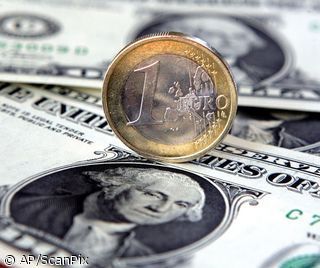 Hit by economic turmoil and the sharp global downturn, growth in the EU slows almost to a halt.
more »
Hit by economic turmoil and the sharp global downturn, growth in the EU slows almost to a halt.
more »
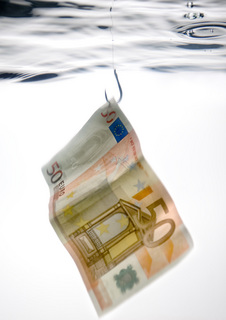 The top priority is to cushion the impact of the financial crisis on jobs, purchasing power and prosperity of EU citizens.
more »
The top priority is to cushion the impact of the financial crisis on jobs, purchasing power and prosperity of EU citizens.
more »
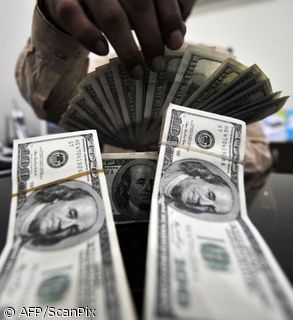 The International Monetary Fund has approved short-term financing to help emerging market economies weather the global financial storm.
more »
The International Monetary Fund has approved short-term financing to help emerging market economies weather the global financial storm.
more »