At a cabinet meeting on 1 February, Kazakh President Nursultan Nazarbaev criticized state-owned companies, banks and large holding companies for holding too many noncore assets
Published:
3 February 2005 y., Thursday
At a cabinet meeting on 1 February, Kazakh President Nursultan Nazarbaev criticized state-owned companies, banks and large holding companies for holding too many noncore assets. Nazarbaev said overly large companies need to slim down, adding that bloat hinders competition and stifles small business.
"They should rid themselves of their noncore assets in line with the market by selling them into a competitive environment," Nazarbayev said, according to "Kazakhstan Today." Nazarbaev cited Kazakhstan Temir Zholy, the national railroad company, as an example of a structure with too many noncore assets. Setting out economic priorities, he said Kazakhstan needs to attract 30 transnational companies to work in the country's processing industry. Nazarbaev asked the government to complete a program for housing development in the first quarter of 2005 and to present a program for developing a micro-credit system in the next two weeks.
Šaltinis:
Interfax-Kazakhstan
Copying, publishing, announcing any information from the News.lt portal without written permission of News.lt editorial office is prohibited.
The most popular articles
 Thursday morning MEPs debated a report from the European Court of Auditors on EU expenditure in 2007.
more »
Thursday morning MEPs debated a report from the European Court of Auditors on EU expenditure in 2007.
more »
 Wander along any supermarket aisle and you'll see a number of two-for-one offers. It's not something we're used to seeing at our local car showroom.
more »
Wander along any supermarket aisle and you'll see a number of two-for-one offers. It's not something we're used to seeing at our local car showroom.
more »
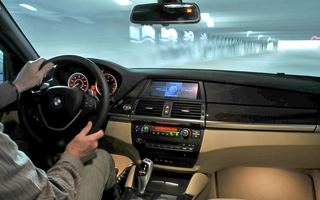 The leaders of the so-called Big Three of the U.S. auto industry were on the hot seat on Capitol Hill.
more »
The leaders of the so-called Big Three of the U.S. auto industry were on the hot seat on Capitol Hill.
more »
 HP today announced preliminary results for the fourth fiscal quarter 2008 with revenue of $33.6 billion, a year-over-year increase of 19% or 16% when adjusted for the effects of currency.
more »
HP today announced preliminary results for the fourth fiscal quarter 2008 with revenue of $33.6 billion, a year-over-year increase of 19% or 16% when adjusted for the effects of currency.
more »
 When the EU expanded in 2004, some of the 15 existing EU countries were worried they would be flooded by workers from eastern and central Europe.
more »
When the EU expanded in 2004, some of the 15 existing EU countries were worried they would be flooded by workers from eastern and central Europe.
more »
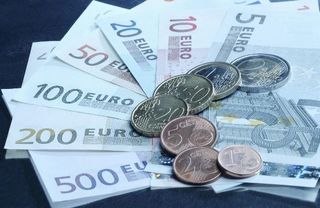 Monday MEPs discussed ways to narrow the gender pay gap that still exists in Europe, despite 30 years of legislation.
more »
Monday MEPs discussed ways to narrow the gender pay gap that still exists in Europe, despite 30 years of legislation.
more »
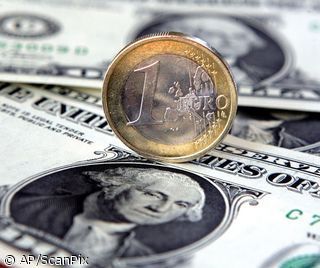 The financial crisis has become a major threat to the economies, jobs and lives of millions worldwide.
more »
The financial crisis has become a major threat to the economies, jobs and lives of millions worldwide.
more »
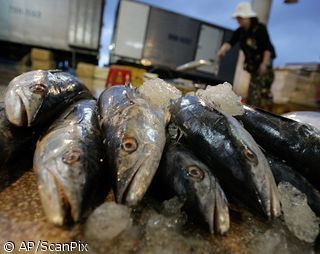 Fisheries in the EU are regulated to protect stocks from overfishing and prevent damage to marine ecosystems.
more »
Fisheries in the EU are regulated to protect stocks from overfishing and prevent damage to marine ecosystems.
more »
 Energy prices in the EU have risen by an average of 15% in the last year and Europeans wonder whether speculators are driving up oil prices.
more »
Energy prices in the EU have risen by an average of 15% in the last year and Europeans wonder whether speculators are driving up oil prices.
more »
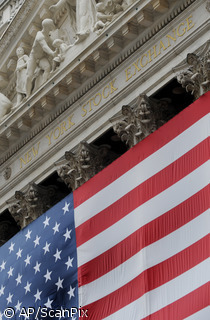 Treasury Secretary Henry Paulson offered an update on the government's financial rescue efforts.
more »
Treasury Secretary Henry Paulson offered an update on the government's financial rescue efforts.
more »