The Lithuanian government said it was not happy with Yukos' work at Mazeikiu Nafta, an oil refinery and terminal, and has held talks with companies that want to buy Yukos' 54 percent stake
Published:
25 March 2005 y., Friday
The Lithuanian government said it was not happy with Yukos' work at Mazeikiu Nafta, an oil refinery and terminal, and has held talks with companies that want to buy Yukos' 54 percent stake.
"We have been visited by Russian oil companies that want to buy Yukos' shares and need our approval," Prime Minister Algirdas Brazauskas said during a news conference Thursday. "Our prime concern is that Mazeikiu Nafta work stably."
Mazeikiu Nafta, which is 41 percent owned by the state, is the biggest company by revenue in Lithuania. Yukos has struggled, and has so far been successful, to maintain crude supplies to the unit amid a dispute more than $27 billion of back taxes that the Russian government claims Yukos owes. LUKoil has for several years repeatedly expressed interest in buying Mazeikiu Nafta.
"If we receive an official offer to buy shares in this plant, we will study it with great interest," LUKoil spokesman Dmitry Dolgov said in an interview. He declined to say whether any negotiations had taken place.
TNK-BP and LUKoil have both formally offered to buy Mazeikiu Nafta from Yukos, Interfax reported Thursday, citing Yukos deputy chief executive Alexander Temerko.
Šaltinis:
Bloomberg
Copying, publishing, announcing any information from the News.lt portal without written permission of News.lt editorial office is prohibited.
The most popular articles
 In another move to strengthen the financial system, the Commission is proposing controls on credit rating agencies - private companies that evaluate financial risks for investors.
more »
In another move to strengthen the financial system, the Commission is proposing controls on credit rating agencies - private companies that evaluate financial risks for investors.
more »
 Monday 10 November saw a large report land on the desk of MEPs in the Budgetary Control Committee.
more »
Monday 10 November saw a large report land on the desk of MEPs in the Budgetary Control Committee.
more »
 EU wants G20 meeting to pave the way for reform of the international financial system.
more »
EU wants G20 meeting to pave the way for reform of the international financial system.
more »
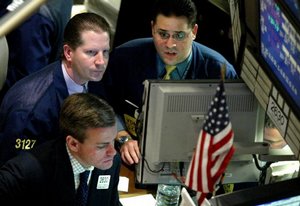 New Yorkers reflect on the election of Barack Obama as the 44th President of the United States.
more »
New Yorkers reflect on the election of Barack Obama as the 44th President of the United States.
more »
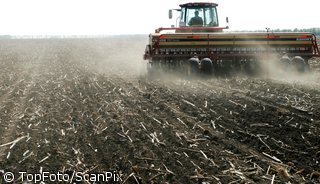 The ability of the EU's common agriculture policy (CAP) to cope with the challenges of affordable food and climate change was discussed in Brussels 3-4 November.
more »
The ability of the EU's common agriculture policy (CAP) to cope with the challenges of affordable food and climate change was discussed in Brussels 3-4 November.
more »
 European Union economic growth should be 1.4% in 2008, half what it was in 2007, and drop even more sharply in 2009 to 0.2% before recovering gradually to 1.1% in 2010 (1.2%, 0.1% and 0.9%, respectively, for the euro area).
more »
European Union economic growth should be 1.4% in 2008, half what it was in 2007, and drop even more sharply in 2009 to 0.2% before recovering gradually to 1.1% in 2010 (1.2%, 0.1% and 0.9%, respectively, for the euro area).
more »
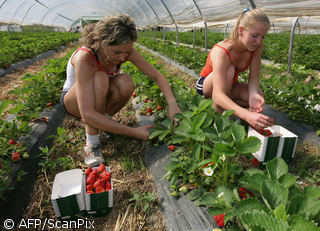 There are an estimated 4-8 million immigrants working illegally in the European Union.
more »
There are an estimated 4-8 million immigrants working illegally in the European Union.
more »
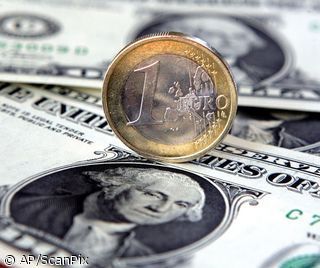 Hit by economic turmoil and the sharp global downturn, growth in the EU slows almost to a halt.
more »
Hit by economic turmoil and the sharp global downturn, growth in the EU slows almost to a halt.
more »
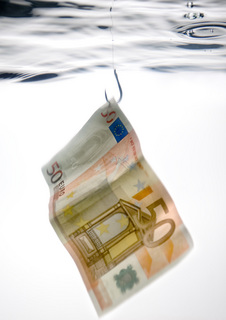 The top priority is to cushion the impact of the financial crisis on jobs, purchasing power and prosperity of EU citizens.
more »
The top priority is to cushion the impact of the financial crisis on jobs, purchasing power and prosperity of EU citizens.
more »
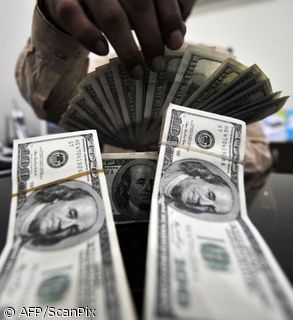 The International Monetary Fund has approved short-term financing to help emerging market economies weather the global financial storm.
more »
The International Monetary Fund has approved short-term financing to help emerging market economies weather the global financial storm.
more »