The Russian Gas monopoly Gazprom intends to take action in order to force The Ukraine to pay for gas and stop the country from exporting it to Europe.
Published:
7 July 2000 y., Friday
Russian deputy Prime Minister Viktor Khristenko has reported that gas deals between the two CIS members are to be radically revised and a new payment procedure is to be introduced soon. By October 1st this year, the Russian government will have prepared a set of documents regulating gas transactions between the two states. Judging from the published excerpts from those documents, Russia will no longer tolerate The Ukraine’s non-payment and gas theft.
Firstly, to stop gas deliveries through The Ukraine would mean loosing lucrative contracts with Germany. Secondly, Kiev has cunningly managed to use Gazprom’s and the Russian authorities’ interests to suit its own ends, by promising the Kremlin that The Ukraine could delay its bid to enter NATO. The Russian authorities willingly bought these promises.
Politics aside, there were also economic reasons for Russia’s lenience towards The Ukraine. Gazprom has always acted as a private legal entity, although the Russian government holds a 41% stake in the gas giant. However, Gazprom continuously delayed tax payments, omitted dividends, and state representatives were given a disproportionately low share of the seats on Gazprom’s board of directors.
The government therefore did not take great pains to defend Gazprom’s interests.
Russia also insists that The Ukraine should stop illicit gas deliveries to Europe. The problem is that The Ukraine purchases Russian gas on favorable terms, regularly delays payments to Gazprom and then resells gas at high European prices, thus disrupting the stability of European gas supplies.
Šaltinis:
Internet
Copying, publishing, announcing any information from the News.lt portal without written permission of News.lt editorial office is prohibited.
The most popular articles
 Today, the Commission published a Communication which outlines the most serious tax problems that EU citizens face in cross-border situations and announces plans for solutions.
more »
Today, the Commission published a Communication which outlines the most serious tax problems that EU citizens face in cross-border situations and announces plans for solutions.
more »
 The European Commission has opened a formal investigation under EU state aid rules to examine a number of support measures, including several capital injections and shareholder loans, that the Hungarian authorities granted to Malév-Hungarian Airlines in the context of its privatisation and subsequent renationalisation.
more »
The European Commission has opened a formal investigation under EU state aid rules to examine a number of support measures, including several capital injections and shareholder loans, that the Hungarian authorities granted to Malév-Hungarian Airlines in the context of its privatisation and subsequent renationalisation.
more »
 Internet and lax customs enforcement drive growth of 600 billion US dollar counterfeit goods industry.
more »
Internet and lax customs enforcement drive growth of 600 billion US dollar counterfeit goods industry.
more »
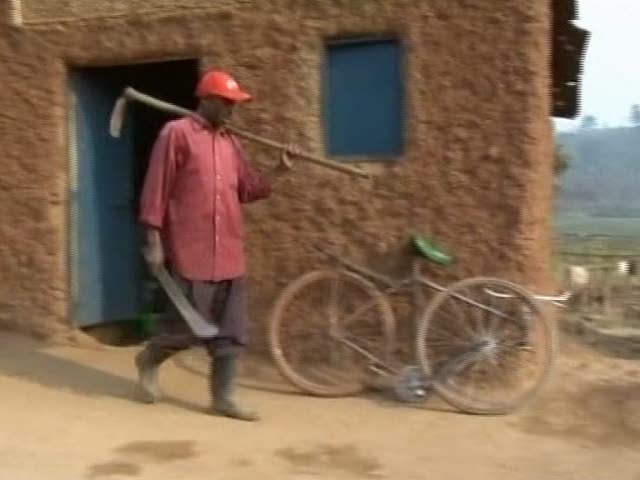 350 million people rose out of poverty in the past decade, but 1.4 billion are still extremely poor, says the latest report into rural poverty.
more »
350 million people rose out of poverty in the past decade, but 1.4 billion are still extremely poor, says the latest report into rural poverty.
more »
 New plan sets out action to reach 75% employment target for the EU by 2020.
more »
New plan sets out action to reach 75% employment target for the EU by 2020.
more »
 Research Ministers of the EU Member States and Associated Countries, together with the European Commission, are announcing in Brussels today three new pan–European energy research infrastructures.
more »
Research Ministers of the EU Member States and Associated Countries, together with the European Commission, are announcing in Brussels today three new pan–European energy research infrastructures.
more »
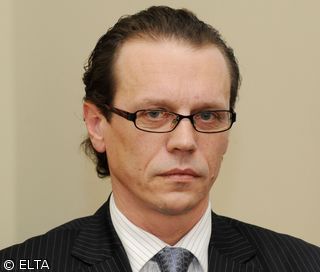 Algirdas Šemeta, Commissioner for Taxation, Customs, Audit and Anti-fraud, is visiting Moscow today to discuss ways in which customs cooperation between the EU and Russia can be reinforced.
more »
Algirdas Šemeta, Commissioner for Taxation, Customs, Audit and Anti-fraud, is visiting Moscow today to discuss ways in which customs cooperation between the EU and Russia can be reinforced.
more »
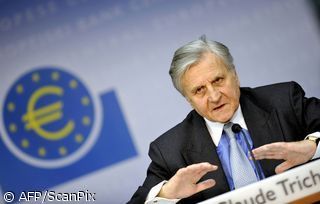 Following on from Monday's debate with ECB President Jean-Claude Trichet, MEPs on Tuesday adopted a resolution, by a show of hands, gauging the ECB's performance in 2009 and suggesting actions to be taken in view of the economic situation.
more »
Following on from Monday's debate with ECB President Jean-Claude Trichet, MEPs on Tuesday adopted a resolution, by a show of hands, gauging the ECB's performance in 2009 and suggesting actions to be taken in view of the economic situation.
more »
 The European Parliament today approved €10.5 million in European Globalisation Adjustment Fund aid to over 3,000 people in the Netherlands who lost their printing and publishing sector jobs last year, due to the economic crisis.
more »
The European Parliament today approved €10.5 million in European Globalisation Adjustment Fund aid to over 3,000 people in the Netherlands who lost their printing and publishing sector jobs last year, due to the economic crisis.
more »
 A diamond-studded gold coin engraved with a picture of the Taj Mahal and worth 100,000 euros is unveiled at the Paris mint.
more »
A diamond-studded gold coin engraved with a picture of the Taj Mahal and worth 100,000 euros is unveiled at the Paris mint.
more »