Consumers Not Ready for EBPP
Published:
17 July 1999 y., Saturday
Consumers` interest in electronic bill presentment and payment (EBPP)
services lags behind that of companies, particularly high-volume
billers that want to switch from paper-based to electronic systems,
according to research conducted by PSI Global. According to PSI`s
research, only 7 percent of US households think they will be capable
of sending and receiving bills via the Internet within six to 12
months, and only 16 percent said they would like to use the
Internet both to receive and pay bills within the next three years.
PSI predicts that up to 15 percent of US households are likely to
be immediate adopters of EBPP services when they become available.
Close to 50 percent of US households already have PCs, and more than
a third of these PC owners actively use financial management
software. The use of checks to pay bills has also declined from 90
percent in 1990 to 76 percent this year, according to PSI. The most
likely agent to drive the change from paper-based billing to
electronics, according to PSI, is the potential cost savings for the
leading billing sectors. Consumers are expected to pay 15.9 billion
bill payments. The leading billing sectors - primarily lenders,
utilities, communications, insurance and credit card issuers-account
for more than 80 percent of all bills to consumers. For these
firms, EBPP potentially means billions of dollars in cost savings
annually. Among the factors that could delay consumer acceptance of
EBPP are concerns over privacy and convenience. Almost three-quarters
(63 percent) of households believe that receiving and paying bills
using the US Postal Service is more reliable and secure than
electronic delivery options; 74 percent of households like the
privacy of paying bills by check; and 72 percent like the
convenience of paying bills by check. One-quarter of households
believe that the Internet is not secure, and 65 percent are not
certain about Internet security. For nearly half of all households,
retaining control of payment timing is important.
Copying, publishing, announcing any information from the News.lt portal without written permission of News.lt editorial office is prohibited.
The most popular articles
 Bank DnB NORD A/S increasing its holdings in its Lithuanian subsidiary to 99.84 percent through acquisition of shares from minority shareholders.
more »
Bank DnB NORD A/S increasing its holdings in its Lithuanian subsidiary to 99.84 percent through acquisition of shares from minority shareholders.
more »
 AB Bank SNORAS will grant LTL 35 million for financing the small and medium businesses on the exclusive conditions.
more »
AB Bank SNORAS will grant LTL 35 million for financing the small and medium businesses on the exclusive conditions.
more »
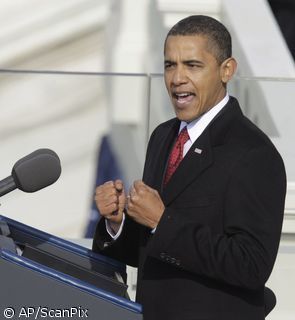 Rejecting survival plans from both General Motors and Chrysler, President Barack Obama warned the ailing US automakers they could be forced into bankruptcy if they don't find a way to slash their debt.
more »
Rejecting survival plans from both General Motors and Chrysler, President Barack Obama warned the ailing US automakers they could be forced into bankruptcy if they don't find a way to slash their debt.
more »
 Prevailing wisdom says when the going gets tough the weary go drinking. The demand for beer exceeds the demand for all other alcoholic beverages in USA.
more »
Prevailing wisdom says when the going gets tough the weary go drinking. The demand for beer exceeds the demand for all other alcoholic beverages in USA.
more »
 Things have been moving slowly for Swiss watchmakers in recent months. The global economic downturn has hit the country's third most important industry hard.
more »
Things have been moving slowly for Swiss watchmakers in recent months. The global economic downturn has hit the country's third most important industry hard.
more »
 The move came a day before the U.S. government was due to outline new steps to help GM and Chrysler as part of the federal bailout.
more »
The move came a day before the U.S. government was due to outline new steps to help GM and Chrysler as part of the federal bailout.
more »
 With the European year of creativity and innovation in full swing, leading figures warn against cutting back on research and development in times of crisis.
more »
With the European year of creativity and innovation in full swing, leading figures warn against cutting back on research and development in times of crisis.
more »
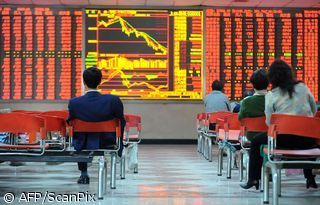 Wall Street has been looking for signs of a bullish comeback, and today's surprise news on the economic front revived a buying spree... started by Monday's 7% rally.
more »
Wall Street has been looking for signs of a bullish comeback, and today's surprise news on the economic front revived a buying spree... started by Monday's 7% rally.
more »
 With the economic crisis eating away at public finances, budget deficits in five countries are expected to exceed the 3% of gross domestic product allowed by the EU.
more »
With the economic crisis eating away at public finances, budget deficits in five countries are expected to exceed the 3% of gross domestic product allowed by the EU.
more »
 China is calling for a new global currency to replace the dominant dollar, showing a growing assertiveness on revamping the world economy ahead of next week's London summit on the financial crisis.
more »
China is calling for a new global currency to replace the dominant dollar, showing a growing assertiveness on revamping the world economy ahead of next week's London summit on the financial crisis.
more »