Consumers Not Ready for EBPP
Published:
17 July 1999 y., Saturday
Consumers` interest in electronic bill presentment and payment (EBPP)
services lags behind that of companies, particularly high-volume
billers that want to switch from paper-based to electronic systems,
according to research conducted by PSI Global. According to PSI`s
research, only 7 percent of US households think they will be capable
of sending and receiving bills via the Internet within six to 12
months, and only 16 percent said they would like to use the
Internet both to receive and pay bills within the next three years.
PSI predicts that up to 15 percent of US households are likely to
be immediate adopters of EBPP services when they become available.
Close to 50 percent of US households already have PCs, and more than
a third of these PC owners actively use financial management
software. The use of checks to pay bills has also declined from 90
percent in 1990 to 76 percent this year, according to PSI. The most
likely agent to drive the change from paper-based billing to
electronics, according to PSI, is the potential cost savings for the
leading billing sectors. Consumers are expected to pay 15.9 billion
bill payments. The leading billing sectors - primarily lenders,
utilities, communications, insurance and credit card issuers-account
for more than 80 percent of all bills to consumers. For these
firms, EBPP potentially means billions of dollars in cost savings
annually. Among the factors that could delay consumer acceptance of
EBPP are concerns over privacy and convenience. Almost three-quarters
(63 percent) of households believe that receiving and paying bills
using the US Postal Service is more reliable and secure than
electronic delivery options; 74 percent of households like the
privacy of paying bills by check; and 72 percent like the
convenience of paying bills by check. One-quarter of households
believe that the Internet is not secure, and 65 percent are not
certain about Internet security. For nearly half of all households,
retaining control of payment timing is important.
Copying, publishing, announcing any information from the News.lt portal without written permission of News.lt editorial office is prohibited.
The most popular articles
 Thursday morning MEPs debated a report from the European Court of Auditors on EU expenditure in 2007.
more »
Thursday morning MEPs debated a report from the European Court of Auditors on EU expenditure in 2007.
more »
 Wander along any supermarket aisle and you'll see a number of two-for-one offers. It's not something we're used to seeing at our local car showroom.
more »
Wander along any supermarket aisle and you'll see a number of two-for-one offers. It's not something we're used to seeing at our local car showroom.
more »
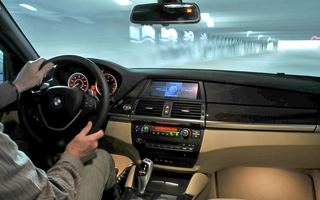 The leaders of the so-called Big Three of the U.S. auto industry were on the hot seat on Capitol Hill.
more »
The leaders of the so-called Big Three of the U.S. auto industry were on the hot seat on Capitol Hill.
more »
 HP today announced preliminary results for the fourth fiscal quarter 2008 with revenue of $33.6 billion, a year-over-year increase of 19% or 16% when adjusted for the effects of currency.
more »
HP today announced preliminary results for the fourth fiscal quarter 2008 with revenue of $33.6 billion, a year-over-year increase of 19% or 16% when adjusted for the effects of currency.
more »
 When the EU expanded in 2004, some of the 15 existing EU countries were worried they would be flooded by workers from eastern and central Europe.
more »
When the EU expanded in 2004, some of the 15 existing EU countries were worried they would be flooded by workers from eastern and central Europe.
more »
 Monday MEPs discussed ways to narrow the gender pay gap that still exists in Europe, despite 30 years of legislation.
more »
Monday MEPs discussed ways to narrow the gender pay gap that still exists in Europe, despite 30 years of legislation.
more »
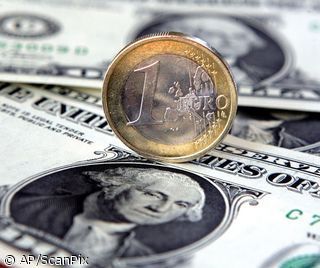 The financial crisis has become a major threat to the economies, jobs and lives of millions worldwide.
more »
The financial crisis has become a major threat to the economies, jobs and lives of millions worldwide.
more »
 Fisheries in the EU are regulated to protect stocks from overfishing and prevent damage to marine ecosystems.
more »
Fisheries in the EU are regulated to protect stocks from overfishing and prevent damage to marine ecosystems.
more »
 Energy prices in the EU have risen by an average of 15% in the last year and Europeans wonder whether speculators are driving up oil prices.
more »
Energy prices in the EU have risen by an average of 15% in the last year and Europeans wonder whether speculators are driving up oil prices.
more »
 Treasury Secretary Henry Paulson offered an update on the government's financial rescue efforts.
more »
Treasury Secretary Henry Paulson offered an update on the government's financial rescue efforts.
more »