The Latvian National Radio and Television Council on 3 November supported council chairman Ojars Rubenis's proposal o introduce changes to the way public broadcasting organizations are financed.
Published:
7 November 2000 y., Tuesday
The Latvian National Radio and Television Council on 3 November supported council chairman Ojars Rubenis's proposal o introduce changes to the way public broadcasting organizations are financed. The council wants to introduce a monthly subscription fee of 0.6 lats ($0.96) per household and 1.5 lats from a legal entity owning a television set.
The revenues from subscription fees next year could total 2.7 million lats while direct state financing would be 14 million lats. By 2004, revenues from subscription fee would grow to 15 million lats, while state financing would decline to 1.7 million lats. The parliament had rejected subscription fees in January 2000, arguing that, among other things, the population already had to contend with many other social and economic problems.
Šaltinis:
rferl.org
Copying, publishing, announcing any information from the News.lt portal without written permission of News.lt editorial office is prohibited.
The most popular articles
 The future of Europe's troubled car market and 12 million jobs was under scrutiny Tuesday.
more »
The future of Europe's troubled car market and 12 million jobs was under scrutiny Tuesday.
more »
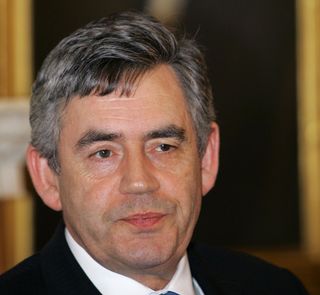 Europe must take the lead in finding solutions to the global crisis at next week's G20 summit, British prime minister Gordon Brown told MEPs in a speech in Strasbourg on Tuesday that was warmly welcomed by leaders of the main political groups.
more »
Europe must take the lead in finding solutions to the global crisis at next week's G20 summit, British prime minister Gordon Brown told MEPs in a speech in Strasbourg on Tuesday that was warmly welcomed by leaders of the main political groups.
more »
 The US and Europe are in the worst economic crisis since the 1930s. With unemployment rising dramatically and businesses failing, fear is spreading.
more »
The US and Europe are in the worst economic crisis since the 1930s. With unemployment rising dramatically and businesses failing, fear is spreading.
more »
 Monday evening sees MEPs consider the emotive subject of food prices in Europe.
more »
Monday evening sees MEPs consider the emotive subject of food prices in Europe.
more »
 Shares in Wincor Nixdorf AG have fallen 3.5 percent and the ATM company says it is preparing to cut production hours.
more »
Shares in Wincor Nixdorf AG have fallen 3.5 percent and the ATM company says it is preparing to cut production hours.
more »
 Leaders agreed to use €5bn in unspent EU funds to upgrade energy and internet connections. And they raised the ceiling on EU aid to countries having difficulties.
more »
Leaders agreed to use €5bn in unspent EU funds to upgrade energy and internet connections. And they raised the ceiling on EU aid to countries having difficulties.
more »
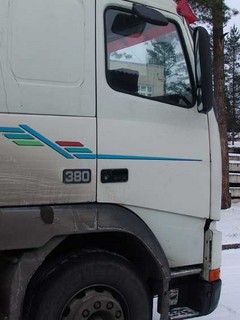 Charges on heavy-goods vehicles should be based in part on the air and noise pollution they produce, according to legislation approved by the European Parliament today.
more »
Charges on heavy-goods vehicles should be based in part on the air and noise pollution they produce, according to legislation approved by the European Parliament today.
more »
 EU agriculture officials are about to get a reality check. Starting next year, their on-the-job training will include a stint on a working farm.
more »
EU agriculture officials are about to get a reality check. Starting next year, their on-the-job training will include a stint on a working farm.
more »
 Privatisation, balanced budgets, low public deficits, and free trade have long been the mantra for prudent economic management.
more »
Privatisation, balanced budgets, low public deficits, and free trade have long been the mantra for prudent economic management.
more »
 Building roads and pipelines, ensuring food safety, improving education, fighting discrimination and boosting jobs are all funded from the EU budget.
more »
Building roads and pipelines, ensuring food safety, improving education, fighting discrimination and boosting jobs are all funded from the EU budget.
more »