High quality labour force and very competitive production costs have lured numerous Swedish companies to transfer their production to Lithuania.
Published:
10 July 2001 y., Tuesday
“In 6 years we have helped more than 300 Swedish companies to find business partners in Lithuania”, said Bengt Johansson, President of the Baltic Business Centre in Karlskron, Sweden. “At present four new projects are being implemented and 15 more are under negotiations”, continued Bengt Johansson.
There is quite a number of Lithuanian companies already producing for Volvo, Ikea and other famous Swedish companies. There are also several Swedish companies, which have moved their production facilities to Lithuania. For example, Evox Rifa has its condensor assembly lines in “Selteka” – a Lithuanian company in Kaunas.
Small and medium-sized wood processing and textile companies have the highest potential. There are many small high quality garment making companies near the port town of Klaipeda working for the Swedes and producing designer items from leather and suede.
The opening of another garment making company – a Lithuanian –Sweden joint venture is planned for the nearest future. “With the pegging of the Lithuanian Litas to Euro the cooperation between Lithuania and Sweden will become even more intensive”, said Bengt Johansson.
Šaltinis:
lda.lt
Copying, publishing, announcing any information from the News.lt portal without written permission of News.lt editorial office is prohibited.
The most popular articles
 Thursday morning MEPs debated a report from the European Court of Auditors on EU expenditure in 2007.
more »
Thursday morning MEPs debated a report from the European Court of Auditors on EU expenditure in 2007.
more »
 Wander along any supermarket aisle and you'll see a number of two-for-one offers. It's not something we're used to seeing at our local car showroom.
more »
Wander along any supermarket aisle and you'll see a number of two-for-one offers. It's not something we're used to seeing at our local car showroom.
more »
 The leaders of the so-called Big Three of the U.S. auto industry were on the hot seat on Capitol Hill.
more »
The leaders of the so-called Big Three of the U.S. auto industry were on the hot seat on Capitol Hill.
more »
 HP today announced preliminary results for the fourth fiscal quarter 2008 with revenue of $33.6 billion, a year-over-year increase of 19% or 16% when adjusted for the effects of currency.
more »
HP today announced preliminary results for the fourth fiscal quarter 2008 with revenue of $33.6 billion, a year-over-year increase of 19% or 16% when adjusted for the effects of currency.
more »
 When the EU expanded in 2004, some of the 15 existing EU countries were worried they would be flooded by workers from eastern and central Europe.
more »
When the EU expanded in 2004, some of the 15 existing EU countries were worried they would be flooded by workers from eastern and central Europe.
more »
 Monday MEPs discussed ways to narrow the gender pay gap that still exists in Europe, despite 30 years of legislation.
more »
Monday MEPs discussed ways to narrow the gender pay gap that still exists in Europe, despite 30 years of legislation.
more »
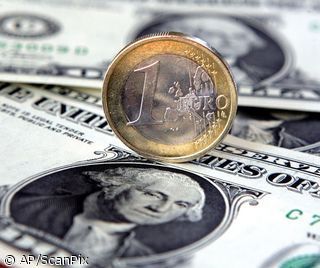 The financial crisis has become a major threat to the economies, jobs and lives of millions worldwide.
more »
The financial crisis has become a major threat to the economies, jobs and lives of millions worldwide.
more »
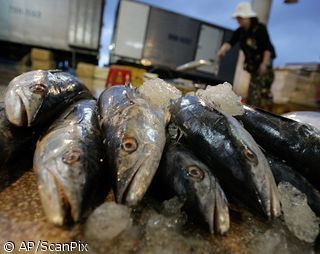 Fisheries in the EU are regulated to protect stocks from overfishing and prevent damage to marine ecosystems.
more »
Fisheries in the EU are regulated to protect stocks from overfishing and prevent damage to marine ecosystems.
more »
 Energy prices in the EU have risen by an average of 15% in the last year and Europeans wonder whether speculators are driving up oil prices.
more »
Energy prices in the EU have risen by an average of 15% in the last year and Europeans wonder whether speculators are driving up oil prices.
more »
 Treasury Secretary Henry Paulson offered an update on the government's financial rescue efforts.
more »
Treasury Secretary Henry Paulson offered an update on the government's financial rescue efforts.
more »