World Bank and GEF Support Efficiency of District Heating in Lithuania
Published:
14 June 2003 y., Saturday
The World Bank’s Board of Executive Directors approved a US$6.5 million grant from the Global Environment Facility (GEF) to finance the Vilnius Heat Demand Management Project in Lithuania, which aims to reduce greenhouse gases emissions from the Vilnius District heating system by implementing financially sustainable and replicable energy efficiency investments in the residential sector of the Vilnius City.
The project will achieve this by: (a) co-financing Vilniaus Energija's demand management program which will demonstrate the benefits of automatic and consumer-controlled use of heat in homes and consumption-based billing at the apartment level, with limited grant financing for low-income customers; (b) creating a commercially sustainable (revolving) financial facility – Energy Conservation Program Commercial Fund – to support the implementation of investments aimed at reducing heat losses from the City's housing stock; and (c) implementing monitoring, evaluation, and information dissemination activities aimed at facilitating the replication of the project's outcomes.
The GEF Project will support and supplement the programs pursued by both Vilniaus Energija and Vilnius City Municipality. Under the project, the GEF will help establish a broader and more sustainable program to support the installation of energy efficiency equipment in residential buildings of Vilnius and engage Vilniaus Energija and the Vilnius City Municipality in the development of a market for energy efficiency products. This will be achieved by introducing demand-side management measures such as thermostatically controlled radiator valves and heat meters in Vilnius households, as well as building-envelope improvements to reduce energy losses from the residential buildings.
Since Lithuania joined the World Bank in 1992, Bank commitments total approximately US$473.7 million for 17 projects.
Šaltinis:
worldbank.org
Copying, publishing, announcing any information from the News.lt portal without written permission of News.lt editorial office is prohibited.
The most popular articles
 The future of Europe's troubled car market and 12 million jobs was under scrutiny Tuesday.
more »
The future of Europe's troubled car market and 12 million jobs was under scrutiny Tuesday.
more »
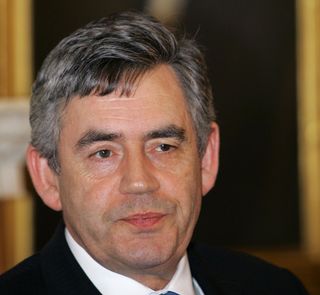 Europe must take the lead in finding solutions to the global crisis at next week's G20 summit, British prime minister Gordon Brown told MEPs in a speech in Strasbourg on Tuesday that was warmly welcomed by leaders of the main political groups.
more »
Europe must take the lead in finding solutions to the global crisis at next week's G20 summit, British prime minister Gordon Brown told MEPs in a speech in Strasbourg on Tuesday that was warmly welcomed by leaders of the main political groups.
more »
 The US and Europe are in the worst economic crisis since the 1930s. With unemployment rising dramatically and businesses failing, fear is spreading.
more »
The US and Europe are in the worst economic crisis since the 1930s. With unemployment rising dramatically and businesses failing, fear is spreading.
more »
 Monday evening sees MEPs consider the emotive subject of food prices in Europe.
more »
Monday evening sees MEPs consider the emotive subject of food prices in Europe.
more »
 Shares in Wincor Nixdorf AG have fallen 3.5 percent and the ATM company says it is preparing to cut production hours.
more »
Shares in Wincor Nixdorf AG have fallen 3.5 percent and the ATM company says it is preparing to cut production hours.
more »
 Leaders agreed to use €5bn in unspent EU funds to upgrade energy and internet connections. And they raised the ceiling on EU aid to countries having difficulties.
more »
Leaders agreed to use €5bn in unspent EU funds to upgrade energy and internet connections. And they raised the ceiling on EU aid to countries having difficulties.
more »
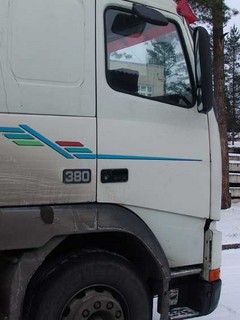 Charges on heavy-goods vehicles should be based in part on the air and noise pollution they produce, according to legislation approved by the European Parliament today.
more »
Charges on heavy-goods vehicles should be based in part on the air and noise pollution they produce, according to legislation approved by the European Parliament today.
more »
 EU agriculture officials are about to get a reality check. Starting next year, their on-the-job training will include a stint on a working farm.
more »
EU agriculture officials are about to get a reality check. Starting next year, their on-the-job training will include a stint on a working farm.
more »
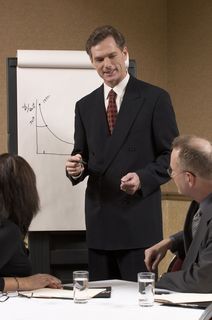 Privatisation, balanced budgets, low public deficits, and free trade have long been the mantra for prudent economic management.
more »
Privatisation, balanced budgets, low public deficits, and free trade have long been the mantra for prudent economic management.
more »
 Building roads and pipelines, ensuring food safety, improving education, fighting discrimination and boosting jobs are all funded from the EU budget.
more »
Building roads and pipelines, ensuring food safety, improving education, fighting discrimination and boosting jobs are all funded from the EU budget.
more »