VAT rules to change May 1
Published:
17 March 2004 y., Wednesday
An easing of the cash flow burden posed by VAT on intra-community trade and imports from outside the EU; a hike in administrative tasks for local companies; the introduction of a new VAT grouping scheme; positive changes in VAT regulations concerning call-off stock; these are among a slew of changes to the law on value-added tax passed by Parliament last Monday.
Lawmakers also reversed a regulation obliging foreign consignment stock companies to establish branch offices or subsidiaries when serving clients from Hungary.
The amendments will mostly take effect upon EU accession on May 1.
“The new VAT law brought in several unexpected positive changes,” Rуbert Heinczinger, tax partner at Ernst & Young Advisory Kft, said last week.
“Despite its shortcomings, the new law reflects the lawmakers’ efforts to improve Hungary’s competitiveness in the EU,” commented Regina Simon, tax manager at rival KPMG, speaking at the company’s press briefing last Friday.
Amongst the positive changes, Simon noted that importers no longer have to finance the VAT on all imports from their cash flow. From May 1, local companies involved in intra-community trading – trading within the EU – do not have to pay VAT in advance on products brought in from within the community.
The VAT content of such transactions will have to be declared at the end of the regular VAT declaration period, and VAT paid in that period can be deducted from VAT gains.
“This is good news for local companies,” Simon said.
According to Simon, however, companies trading in the EU will have to pay attention to administrative tasks like obtaining and regularly updating the EU tax registry number of all their trading partners.
This is because the EU’s VAT directive essentially states that companies sell their goods to buyers from another EU country without charging sales tax, and the foreign entity declares and pays the sales tax in its own country.
“If the tax number is missing or wrong, it will be impossible to track whether the due VAT was footed by the foreign partner. In such cases, the local tax office will make the local company pay the missing VAT amount,” she explained.
Šaltinis:
bbj.hu
Copying, publishing, announcing any information from the News.lt portal without written permission of News.lt editorial office is prohibited.
The most popular articles
 The future of Europe's troubled car market and 12 million jobs was under scrutiny Tuesday.
more »
The future of Europe's troubled car market and 12 million jobs was under scrutiny Tuesday.
more »
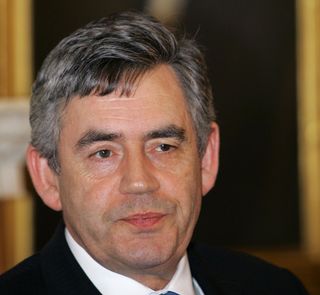 Europe must take the lead in finding solutions to the global crisis at next week's G20 summit, British prime minister Gordon Brown told MEPs in a speech in Strasbourg on Tuesday that was warmly welcomed by leaders of the main political groups.
more »
Europe must take the lead in finding solutions to the global crisis at next week's G20 summit, British prime minister Gordon Brown told MEPs in a speech in Strasbourg on Tuesday that was warmly welcomed by leaders of the main political groups.
more »
 The US and Europe are in the worst economic crisis since the 1930s. With unemployment rising dramatically and businesses failing, fear is spreading.
more »
The US and Europe are in the worst economic crisis since the 1930s. With unemployment rising dramatically and businesses failing, fear is spreading.
more »
 Monday evening sees MEPs consider the emotive subject of food prices in Europe.
more »
Monday evening sees MEPs consider the emotive subject of food prices in Europe.
more »
 Shares in Wincor Nixdorf AG have fallen 3.5 percent and the ATM company says it is preparing to cut production hours.
more »
Shares in Wincor Nixdorf AG have fallen 3.5 percent and the ATM company says it is preparing to cut production hours.
more »
 Leaders agreed to use €5bn in unspent EU funds to upgrade energy and internet connections. And they raised the ceiling on EU aid to countries having difficulties.
more »
Leaders agreed to use €5bn in unspent EU funds to upgrade energy and internet connections. And they raised the ceiling on EU aid to countries having difficulties.
more »
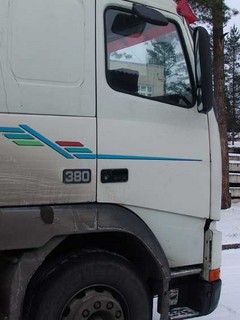 Charges on heavy-goods vehicles should be based in part on the air and noise pollution they produce, according to legislation approved by the European Parliament today.
more »
Charges on heavy-goods vehicles should be based in part on the air and noise pollution they produce, according to legislation approved by the European Parliament today.
more »
 EU agriculture officials are about to get a reality check. Starting next year, their on-the-job training will include a stint on a working farm.
more »
EU agriculture officials are about to get a reality check. Starting next year, their on-the-job training will include a stint on a working farm.
more »
 Privatisation, balanced budgets, low public deficits, and free trade have long been the mantra for prudent economic management.
more »
Privatisation, balanced budgets, low public deficits, and free trade have long been the mantra for prudent economic management.
more »
 Building roads and pipelines, ensuring food safety, improving education, fighting discrimination and boosting jobs are all funded from the EU budget.
more »
Building roads and pipelines, ensuring food safety, improving education, fighting discrimination and boosting jobs are all funded from the EU budget.
more »