VAT rules to change May 1
Published:
17 March 2004 y., Wednesday
An easing of the cash flow burden posed by VAT on intra-community trade and imports from outside the EU; a hike in administrative tasks for local companies; the introduction of a new VAT grouping scheme; positive changes in VAT regulations concerning call-off stock; these are among a slew of changes to the law on value-added tax passed by Parliament last Monday.
Lawmakers also reversed a regulation obliging foreign consignment stock companies to establish branch offices or subsidiaries when serving clients from Hungary.
The amendments will mostly take effect upon EU accession on May 1.
“The new VAT law brought in several unexpected positive changes,” Rуbert Heinczinger, tax partner at Ernst & Young Advisory Kft, said last week.
“Despite its shortcomings, the new law reflects the lawmakers’ efforts to improve Hungary’s competitiveness in the EU,” commented Regina Simon, tax manager at rival KPMG, speaking at the company’s press briefing last Friday.
Amongst the positive changes, Simon noted that importers no longer have to finance the VAT on all imports from their cash flow. From May 1, local companies involved in intra-community trading – trading within the EU – do not have to pay VAT in advance on products brought in from within the community.
The VAT content of such transactions will have to be declared at the end of the regular VAT declaration period, and VAT paid in that period can be deducted from VAT gains.
“This is good news for local companies,” Simon said.
According to Simon, however, companies trading in the EU will have to pay attention to administrative tasks like obtaining and regularly updating the EU tax registry number of all their trading partners.
This is because the EU’s VAT directive essentially states that companies sell their goods to buyers from another EU country without charging sales tax, and the foreign entity declares and pays the sales tax in its own country.
“If the tax number is missing or wrong, it will be impossible to track whether the due VAT was footed by the foreign partner. In such cases, the local tax office will make the local company pay the missing VAT amount,” she explained.
Šaltinis:
bbj.hu
Copying, publishing, announcing any information from the News.lt portal without written permission of News.lt editorial office is prohibited.
The most popular articles
 Motorola, Inc. today reported sales of $7.5 billion in the third quarter of 2008.
more »
Motorola, Inc. today reported sales of $7.5 billion in the third quarter of 2008.
more »
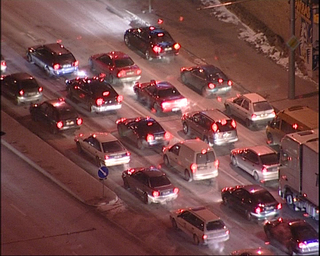 The global financial crisis has already battered many European banks. Now it is hitting the EU auto industry, the world’s largest producer of motor vehicles.
more »
The global financial crisis has already battered many European banks. Now it is hitting the EU auto industry, the world’s largest producer of motor vehicles.
more »
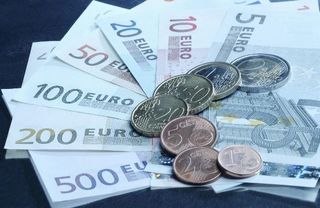 The European Commission has approved, under EC Treaty state aid rules, a German rescue package intended to stabilise financial markets by providing capital and guarantees to eligible financial institutions.
more »
The European Commission has approved, under EC Treaty state aid rules, a German rescue package intended to stabilise financial markets by providing capital and guarantees to eligible financial institutions.
more »
 A new report by the European Commission has assessed the competitiveness of the European Union in the global economy at the end of a decade of rapid economic change.
more »
A new report by the European Commission has assessed the competitiveness of the European Union in the global economy at the end of a decade of rapid economic change.
more »
 Revenue surpasses $15 billion with healthy sales of enterprise software and Xbox 360 consoles.
more »
Revenue surpasses $15 billion with healthy sales of enterprise software and Xbox 360 consoles.
more »
 Airport charges are one of the hidden costs of flying and usually they are passed on from airlines to passengers.
more »
Airport charges are one of the hidden costs of flying and usually they are passed on from airlines to passengers.
more »
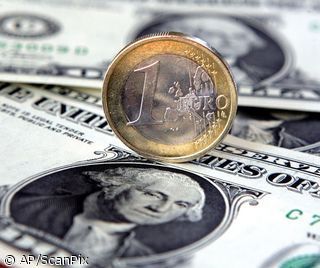 US and European leaders agree to series of summits on world finance.
more »
US and European leaders agree to series of summits on world finance.
more »
 On Monday MEPs will debate a recovery plan for cod stocks in the North Sea and West Scotland. With over 70% of the world’s fish species already fully exploited or depleted, fisheries faces a crisis.
more »
On Monday MEPs will debate a recovery plan for cod stocks in the North Sea and West Scotland. With over 70% of the world’s fish species already fully exploited or depleted, fisheries faces a crisis.
more »
 A new study released by the European Commission today confirms the trend towards more private pension provision in the EU but highlights the need for inclusive coverage and adequate pension levels.
more »
A new study released by the European Commission today confirms the trend towards more private pension provision in the EU but highlights the need for inclusive coverage and adequate pension levels.
more »
 Thursday, October 16, Brussels. President of the Republic of Lithuania Valdas Adamkus attended the second day session of the European Council meeting.
more »
Thursday, October 16, Brussels. President of the Republic of Lithuania Valdas Adamkus attended the second day session of the European Council meeting.
more »