Poland's "Grey" Economy Still Thriving
Published:
22 June 2000 y., Thursday
For every Zl100 worth of goods produced by lawful, tax-paying companies in Poland, another Zl15 worth is produced for the "grey" economy to avoid taxes, the Central Statistical Office (GUS) said.
GUS said in a recent study that most illicit activity takes place in officially registered companies which lower their tax burden by paying dues on only part of their output.
The report stressed such activity would have increased GDP by 15.3 percent in nominal terms in 1998, down from a high of 17.2 percent in 1994 - the first year that GUS tried to estimate the extent of tax evasion.
Poland's economy has blossomed since communism collapsed in 1989 with much of the initial entrepreneurial drive created by street vendors and other small businesses, which often took advantage of inefficient communist-era tax regulations. Over the past years successive cabinets have worked to limit the "grey" economy by introducing value added taxes.
Copying, publishing, announcing any information from the News.lt portal without written permission of News.lt editorial office is prohibited.
The most popular articles
 Most EU countries continue to meet deadlines for incorporating single market rules into national law, contributing to economic growth and job creation.
more »
Most EU countries continue to meet deadlines for incorporating single market rules into national law, contributing to economic growth and job creation.
more »
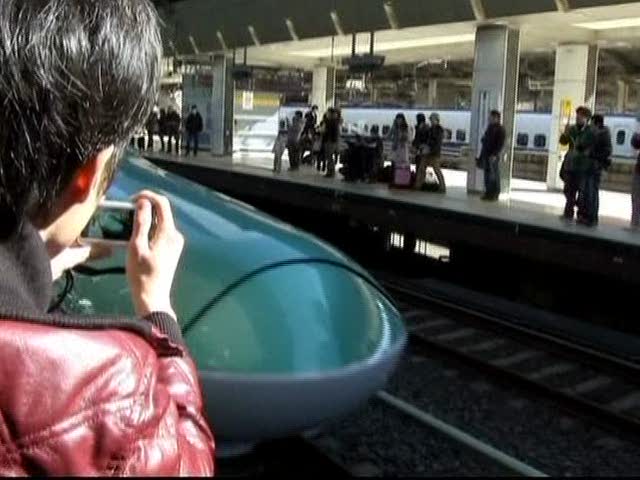 Japanese officials unveil their new bullet train, capable of travelling at speeds of 320 km per hour (198 miles per hour).
more »
Japanese officials unveil their new bullet train, capable of travelling at speeds of 320 km per hour (198 miles per hour).
more »
 The first International Security Technology Exhibition, KIPS 2011, will be held on 23-26 February 2011 in Kiev (Ukraine). The motto of the exhibition is ‘There can never be too much security!’
more »
The first International Security Technology Exhibition, KIPS 2011, will be held on 23-26 February 2011 in Kiev (Ukraine). The motto of the exhibition is ‘There can never be too much security!’
more »
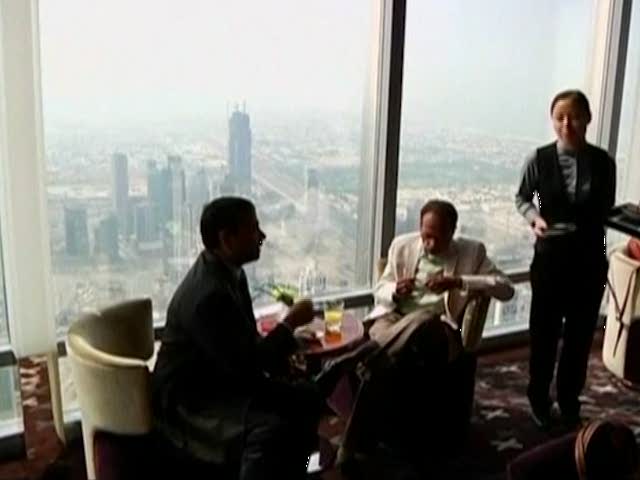 The world's highest restaurant opens in Dubai, United Arab Emirates, located 400 metres above ground in Burj Khalifa, the world's tallest tower.
more »
The world's highest restaurant opens in Dubai, United Arab Emirates, located 400 metres above ground in Burj Khalifa, the world's tallest tower.
more »
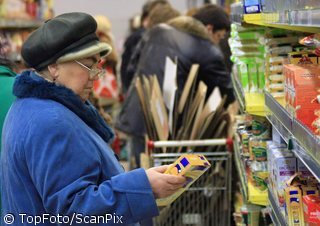 The rights of consumers will be clarified and updated, whether they shop at a local store or buy goods on line, under new EU rules as amended by the Internal Market Committee on Tuesday.
more »
The rights of consumers will be clarified and updated, whether they shop at a local store or buy goods on line, under new EU rules as amended by the Internal Market Committee on Tuesday.
more »
 MEPs on Wednesday gave their green light for the Council to conclude an Interim Economic Partnership Agreement with Papua New Guinea and Fiji, two countries of the Pacific Region with significant exports to the EU.
more »
MEPs on Wednesday gave their green light for the Council to conclude an Interim Economic Partnership Agreement with Papua New Guinea and Fiji, two countries of the Pacific Region with significant exports to the EU.
more »
 Report sets 10 priorities for tackling the bloc's main economic challenges, launching the first ever ‘European semester'.
more »
Report sets 10 priorities for tackling the bloc's main economic challenges, launching the first ever ‘European semester'.
more »
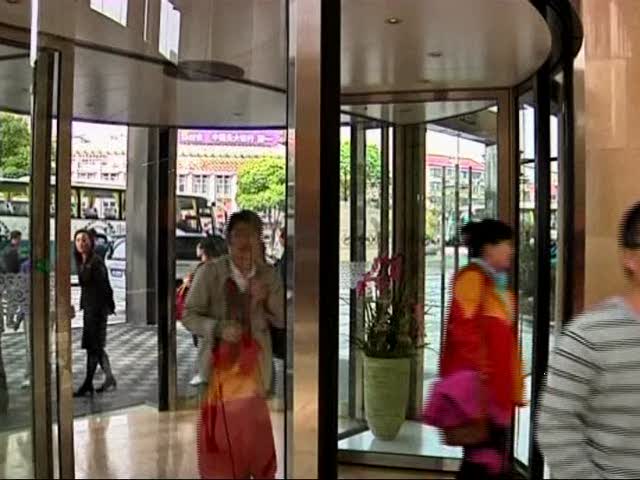 China's first capsule hotel ready to open its doors in Shanghai, aims to capture slice of booming leisure budget travel market.
more »
China's first capsule hotel ready to open its doors in Shanghai, aims to capture slice of booming leisure budget travel market.
more »
 Declaration by Michel Barnier on the start of three new authorities for supervision.
more »
Declaration by Michel Barnier on the start of three new authorities for supervision.
more »
On 1 January, Estonia adopted the euro as its official currency and the changeover is running smoothly and according to plan.
more »