The United States will take part in Poland's plan to buy back a large chunk of its $16 billion in Communist-era debt
Published:
24 March 2005 y., Thursday
The United States will take part in Poland's plan to buy back a large chunk of its $16 billion in Communist-era debt, a U.S. Treasury undersecretary said Wednesday. Poland reached a deal with the Paris Club — an informal group of sovereign creditors — last month to repurchase most of its debt at par value. Club member states now must decide whether to participate in the plan in which Poland will buy back its debt with cash and bonds.
Poland has said it hopes to release a list of countries that have accepted the plan before the end of the month. Out of the Paris Club's 19 members, all but three hold Communist-era debt owed by Poland.
John Taylor, Treasury Undersecretary for International Affairs, said a similar buyback proposal from Russia needs more work.
So far, Russia has made little headway on its effort to buy back $45 billion of sovereign debt as creditors continue to contemplate how much future interest payment they should forgive. With the buyback, Poland hopes to save on the high, often fixed-interest rates it pays on the debt. The proposal is attractive for some creditors, such as Germany, which are grappling with a bulging budget deficit and would have an immediate use for cash from Poland.
Šaltinis:
story.news.yahoo.com
Copying, publishing, announcing any information from the News.lt portal without written permission of News.lt editorial office is prohibited.
The most popular articles
 In another move to strengthen the financial system, the Commission is proposing controls on credit rating agencies - private companies that evaluate financial risks for investors.
more »
In another move to strengthen the financial system, the Commission is proposing controls on credit rating agencies - private companies that evaluate financial risks for investors.
more »
 Monday 10 November saw a large report land on the desk of MEPs in the Budgetary Control Committee.
more »
Monday 10 November saw a large report land on the desk of MEPs in the Budgetary Control Committee.
more »
 EU wants G20 meeting to pave the way for reform of the international financial system.
more »
EU wants G20 meeting to pave the way for reform of the international financial system.
more »
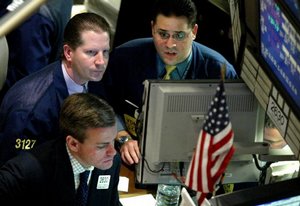 New Yorkers reflect on the election of Barack Obama as the 44th President of the United States.
more »
New Yorkers reflect on the election of Barack Obama as the 44th President of the United States.
more »
 The ability of the EU's common agriculture policy (CAP) to cope with the challenges of affordable food and climate change was discussed in Brussels 3-4 November.
more »
The ability of the EU's common agriculture policy (CAP) to cope with the challenges of affordable food and climate change was discussed in Brussels 3-4 November.
more »
 European Union economic growth should be 1.4% in 2008, half what it was in 2007, and drop even more sharply in 2009 to 0.2% before recovering gradually to 1.1% in 2010 (1.2%, 0.1% and 0.9%, respectively, for the euro area).
more »
European Union economic growth should be 1.4% in 2008, half what it was in 2007, and drop even more sharply in 2009 to 0.2% before recovering gradually to 1.1% in 2010 (1.2%, 0.1% and 0.9%, respectively, for the euro area).
more »
 There are an estimated 4-8 million immigrants working illegally in the European Union.
more »
There are an estimated 4-8 million immigrants working illegally in the European Union.
more »
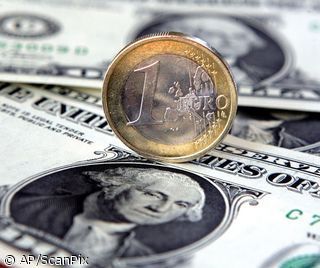 Hit by economic turmoil and the sharp global downturn, growth in the EU slows almost to a halt.
more »
Hit by economic turmoil and the sharp global downturn, growth in the EU slows almost to a halt.
more »
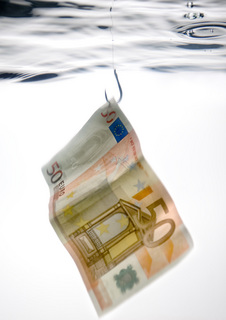 The top priority is to cushion the impact of the financial crisis on jobs, purchasing power and prosperity of EU citizens.
more »
The top priority is to cushion the impact of the financial crisis on jobs, purchasing power and prosperity of EU citizens.
more »
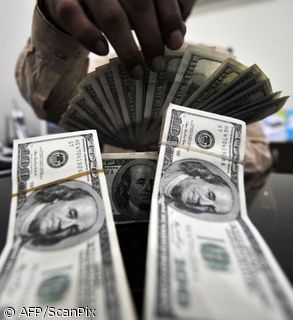 The International Monetary Fund has approved short-term financing to help emerging market economies weather the global financial storm.
more »
The International Monetary Fund has approved short-term financing to help emerging market economies weather the global financial storm.
more »