It's a problem international experts will address at a workshop starting Monday in Norway.
Published:
8 April 2001 y., Sunday
Because they can't afford the medicine, millions of people a year die of treatable diseases. It's a problem international experts will address at a workshop starting Monday in Norway.
Some 80 representatives of the World Health Organization, the World Trade Organization, drug companies and other researchers and health experts were to seek ways to ensure that drugs are sold at affordable prices and that they get to those who need them.
"The main goal is to map conditions that today prevent developing countries' access to needed medicines on reasonable terms," Norwegian Minister of Development Aid Anne Kristin Sydnes said ahead of the meeting. "In Africa alone, 25 million people are infected with HIV/AIDS."
The pharmaceutical industry has come under international pressure in recent years over the price of its patented drugs - especially treatments for HIV/AIDS - in developing countries.
The three-day workshop, called "Differential Pricing and Financing of Essential Drugs," will be closed to the public and news media. The delegates cannot make binding decisions, only suggest approaches.
The meeting, which was being held near the town of Hamar, about 60 miles north of the capital, Oslo, was organized by the Global Health Council, a U.S. non-governmental organization.
According to a WHO background paper for the workshop, 4 million lives a year could be saved by prompt diagnosis and treatment, and two-thirds of all children who die before age 15 are killed by seven treatable diseases.
Many major pharmaceutical groups have recently slashed prices, sometimes under cost, to provide HIV/AIDS medication that few African countries could previously afford, but relief agencies say they could be doing more.
Delegates to the conference also face a formidable challenges in such matters as even defining which countries are poor enough to receive cheap medication. The WHO report said, depending on criteria, anywhere from 33 countries with 654 million people to 78 countries with 2.3 billion people might qualify.
Šaltinis:
nandotimes.com
Copying, publishing, announcing any information from the News.lt portal without written permission of News.lt editorial office is prohibited.
The most popular articles
 Since the update of 24 July, Azerbaijan and the Republic of Moldova have reported their first laboratory-confirmed cases of pandemic (H1N1) 2009 virus infection.
more »
Since the update of 24 July, Azerbaijan and the Republic of Moldova have reported their first laboratory-confirmed cases of pandemic (H1N1) 2009 virus infection.
more »
 The holiday season has arrived. Your suitcases are packed, your neighbours are watering the plants and feeding the cat and your tickets are ready.
more »
The holiday season has arrived. Your suitcases are packed, your neighbours are watering the plants and feeding the cat and your tickets are ready.
more »
 Topping up your tan on a sunbed is being compared to the cancer risks associated with smoking.
more »
Topping up your tan on a sunbed is being compared to the cancer risks associated with smoking.
more »
 Twenty countries are teaming up to study Alzheimer’s and other forms of dementia, in the first test of a new approach to research in Europe.
more »
Twenty countries are teaming up to study Alzheimer’s and other forms of dementia, in the first test of a new approach to research in Europe.
more »
 The European Commission adopted concrete proposals to tackle Alzheimer’s disease, dementias and other neurodegenerative conditions.
more »
The European Commission adopted concrete proposals to tackle Alzheimer’s disease, dementias and other neurodegenerative conditions.
more »
The increasing number of cases in many countries, with sustained community transmission, made confirming them through laboratory testing extremely difficult and resource intensive.
more »
 The EU’s food safety alert system picks up dangerous food products before they land on your plate.
more »
The EU’s food safety alert system picks up dangerous food products before they land on your plate.
more »
 WHO publishes its first guidelines on indoor air quality, addressing dampness and mould.
more »
WHO publishes its first guidelines on indoor air quality, addressing dampness and mould.
more »
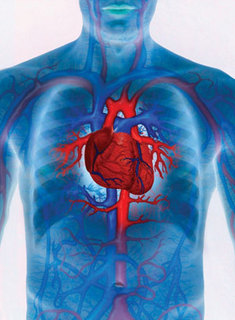 Hannah Clark is a reluctant star - she's facing the media because she's a medical miracle.
more »
Hannah Clark is a reluctant star - she's facing the media because she's a medical miracle.
more »
 EU countries urged to pass tougher anti-smoking laws.
more »
EU countries urged to pass tougher anti-smoking laws.
more »