Divers began cutting the hull of the sunken Russian nuclear submarine Kursk, preparing it for raising in September.
Published:
24 July 2001 y., Tuesday
The divers are working from the Norwegian support ship Mayo and have already made a trial cut into the outer hull's fifth compartment and marked places where technological holes will be cut in the third and fourth compartments. An assistant Chief Commander of the Fleet Igor Dygalo told RIA Novosti that the operation was going on according to plan.
Radiation levels are being constantly monitored by remote-controlled submersible devices. Russia's Naval Aviation is controlling the operation from the air. Later today special equipments will be mounted at a depth of 108 meters arounf the Kursk. The submarine's first compartment that could contain unexploded torpedoes is to be cut off and left at the bottom of the Barents Sea.
The Kursk sank on August 12 after a series of powerful inexplicable blasts on board. All 118 Kursk crew died in the accident. Only 12 bodies were recovered during a salvage operation last October. The reactors were automatically shut down when the vessel sank, and regular monitoring has shown no radiation leak, according to Russian officials. Russian officials said the disaster was caused by a practice torpedo, but they hope to learn more about the explosion after raising the Kursk.
Šaltinis:
allnews.ru
Copying, publishing, announcing any information from the News.lt portal without written permission of News.lt editorial office is prohibited.
The most popular articles
 Since the update of 24 July, Azerbaijan and the Republic of Moldova have reported their first laboratory-confirmed cases of pandemic (H1N1) 2009 virus infection.
more »
Since the update of 24 July, Azerbaijan and the Republic of Moldova have reported their first laboratory-confirmed cases of pandemic (H1N1) 2009 virus infection.
more »
 The holiday season has arrived. Your suitcases are packed, your neighbours are watering the plants and feeding the cat and your tickets are ready.
more »
The holiday season has arrived. Your suitcases are packed, your neighbours are watering the plants and feeding the cat and your tickets are ready.
more »
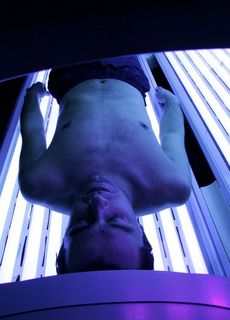 Topping up your tan on a sunbed is being compared to the cancer risks associated with smoking.
more »
Topping up your tan on a sunbed is being compared to the cancer risks associated with smoking.
more »
 Twenty countries are teaming up to study Alzheimer’s and other forms of dementia, in the first test of a new approach to research in Europe.
more »
Twenty countries are teaming up to study Alzheimer’s and other forms of dementia, in the first test of a new approach to research in Europe.
more »
 The European Commission adopted concrete proposals to tackle Alzheimer’s disease, dementias and other neurodegenerative conditions.
more »
The European Commission adopted concrete proposals to tackle Alzheimer’s disease, dementias and other neurodegenerative conditions.
more »
The increasing number of cases in many countries, with sustained community transmission, made confirming them through laboratory testing extremely difficult and resource intensive.
more »
 The EU’s food safety alert system picks up dangerous food products before they land on your plate.
more »
The EU’s food safety alert system picks up dangerous food products before they land on your plate.
more »
 WHO publishes its first guidelines on indoor air quality, addressing dampness and mould.
more »
WHO publishes its first guidelines on indoor air quality, addressing dampness and mould.
more »
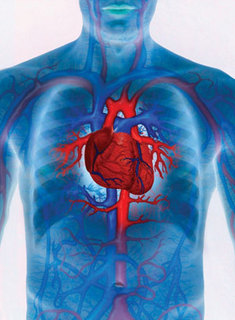 Hannah Clark is a reluctant star - she's facing the media because she's a medical miracle.
more »
Hannah Clark is a reluctant star - she's facing the media because she's a medical miracle.
more »
 EU countries urged to pass tougher anti-smoking laws.
more »
EU countries urged to pass tougher anti-smoking laws.
more »