The specialists are sure that "large-scale influence of the chemical weapon on the environment of the Baltic sea is impossible".
Published:
24 June 2000 y., Saturday
BNS agency have informed about the hullabaloo among the inhabitants of Liepaja, the town that is situated on the coast of the Baltic sea, after the newspaper “News today” published the article on forecasts about the ecological catastrophe. It is written there that the disaster may happen because of obsolescence of the cover of chemical weapon flooded in the Baltic sea after the World War II and because of the fall of the poisonous substances, which may reach the shore.
According to information which is known to Andris Andruðaitis, the director of the Hydro-ecology Institute of the Latvian University, during the World War II Germany produced about 65 thousand tones of the fighting poisonous substances: 27 tones of mustard gas, 12 tones of paralytic gas, 7100 tones of the tear-gas and others. After the capitulation countries-winners decided to flood that arsenal in the sea: about 150 thousands tones was thrown on the bottom of the Norwegian sea and into the Skagerrak straight.
Allies dipped the chemical ammunition into the ships confiscated from Germany and flooded them. In its turn, ammunition disclosed in the soviet occupational zone in 1947 and in 1948 was flooded in the Baltic sea, the Latvian scientist claims. 11 thousand tones were flooded along the coast of Denmark in the radius of 6 kilometers, in the distance of 50 kilometers to the East from Born Holm. About a thousand tones were flooded in the area of 40 squire kilometers to the Southwest from Liepaja, opposite the Latvian-Lithuanian land border, approximately 100 kilometers from the seashore.
After such a publication the inhabitants of Liepaja asked the Ministry of Defense of Lithuania and the Ministry of the Preservation of the Environment and of the Regional development of Latvia to provide them with the information about the possible threat. The neighboring countries were also informed about the content of the article.
So, in Liepaja, in order to discuss that question, the press conference was organized; there the scientists refuted this horrible rumour. Commission, which was to examine such a situation, admitted that poisonous substances that are flooded in the Baltic sea can’t be washed away in the natural way. According to the experts, this will never happen. The specialists are sure that "large-scale influence of the chemical weapon on the environment of the Baltic sea is impossible". They say the fighting poisonous substances spread in the very small area after they contact with the seawater, so they do not affect flora and fauna. Nevertheless, there is the group of people who can suffer from the chemical weapon. They are people who work at fishing in the places of flood. BNS stresses that in all the countries, all who get the license of the fisherman are given the special brochure printed on the waterproof paper; it contains all the information about the poisonous substances, about the regions of flood and informs what actions must be taken in the case of contact with them.
Copying, publishing, announcing any information from the News.lt portal without written permission of News.lt editorial office is prohibited.
The most popular articles
 Since the update of 24 July, Azerbaijan and the Republic of Moldova have reported their first laboratory-confirmed cases of pandemic (H1N1) 2009 virus infection.
more »
Since the update of 24 July, Azerbaijan and the Republic of Moldova have reported their first laboratory-confirmed cases of pandemic (H1N1) 2009 virus infection.
more »
 The holiday season has arrived. Your suitcases are packed, your neighbours are watering the plants and feeding the cat and your tickets are ready.
more »
The holiday season has arrived. Your suitcases are packed, your neighbours are watering the plants and feeding the cat and your tickets are ready.
more »
 Topping up your tan on a sunbed is being compared to the cancer risks associated with smoking.
more »
Topping up your tan on a sunbed is being compared to the cancer risks associated with smoking.
more »
 Twenty countries are teaming up to study Alzheimer’s and other forms of dementia, in the first test of a new approach to research in Europe.
more »
Twenty countries are teaming up to study Alzheimer’s and other forms of dementia, in the first test of a new approach to research in Europe.
more »
 The European Commission adopted concrete proposals to tackle Alzheimer’s disease, dementias and other neurodegenerative conditions.
more »
The European Commission adopted concrete proposals to tackle Alzheimer’s disease, dementias and other neurodegenerative conditions.
more »
The increasing number of cases in many countries, with sustained community transmission, made confirming them through laboratory testing extremely difficult and resource intensive.
more »
 The EU’s food safety alert system picks up dangerous food products before they land on your plate.
more »
The EU’s food safety alert system picks up dangerous food products before they land on your plate.
more »
 WHO publishes its first guidelines on indoor air quality, addressing dampness and mould.
more »
WHO publishes its first guidelines on indoor air quality, addressing dampness and mould.
more »
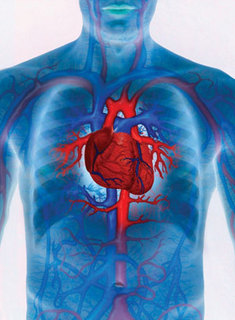 Hannah Clark is a reluctant star - she's facing the media because she's a medical miracle.
more »
Hannah Clark is a reluctant star - she's facing the media because she's a medical miracle.
more »
 EU countries urged to pass tougher anti-smoking laws.
more »
EU countries urged to pass tougher anti-smoking laws.
more »