Researchers find mutation linked to speech disorder
Published:
3 October 2001 y., Wednesday
British scientists say they’ve discovered the first gene tied to a language and speech disorder, raising hopes that the genetics revolution is closer to identifying the biological roots of conscious thought and, perhaps, refining what it means to be human.
CALLED FOXP2, the gene produces a protein that turns other genes on and off. Scientists believe it could hold the key to why people suffer from speech problems.
It is not specifically a gene that enables us to talk. Instead, researchers say they discovered a mutated form of the gene, which is responsible for a protein that enables the brain’s language circuitry to function.
“We have identified a way of getting at the pathways and neural networks involved in speech and language from a genetics point of view,” said study co-author Simon Fisher, a geneticist at the Wellcome Trust Centre for Human Genetics in Oxford.
Because FOXP2 works with other genes and proteins, Fisher and his colleagues believe its identification could help unlock the molecular mysteries of speech.But even the researchers who located the gene say their discovery is just the beginning and caution it would be wrong to heap too many expectations onto the damaged version of a single gene.
Šaltinis:
MSNBC NEWS
Copying, publishing, announcing any information from the News.lt portal without written permission of News.lt editorial office is prohibited.
The most popular articles
 Since the update of 24 July, Azerbaijan and the Republic of Moldova have reported their first laboratory-confirmed cases of pandemic (H1N1) 2009 virus infection.
more »
Since the update of 24 July, Azerbaijan and the Republic of Moldova have reported their first laboratory-confirmed cases of pandemic (H1N1) 2009 virus infection.
more »
 The holiday season has arrived. Your suitcases are packed, your neighbours are watering the plants and feeding the cat and your tickets are ready.
more »
The holiday season has arrived. Your suitcases are packed, your neighbours are watering the plants and feeding the cat and your tickets are ready.
more »
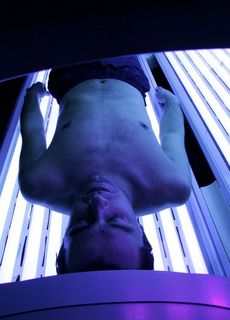 Topping up your tan on a sunbed is being compared to the cancer risks associated with smoking.
more »
Topping up your tan on a sunbed is being compared to the cancer risks associated with smoking.
more »
 Twenty countries are teaming up to study Alzheimer’s and other forms of dementia, in the first test of a new approach to research in Europe.
more »
Twenty countries are teaming up to study Alzheimer’s and other forms of dementia, in the first test of a new approach to research in Europe.
more »
 The European Commission adopted concrete proposals to tackle Alzheimer’s disease, dementias and other neurodegenerative conditions.
more »
The European Commission adopted concrete proposals to tackle Alzheimer’s disease, dementias and other neurodegenerative conditions.
more »
The increasing number of cases in many countries, with sustained community transmission, made confirming them through laboratory testing extremely difficult and resource intensive.
more »
 The EU’s food safety alert system picks up dangerous food products before they land on your plate.
more »
The EU’s food safety alert system picks up dangerous food products before they land on your plate.
more »
 WHO publishes its first guidelines on indoor air quality, addressing dampness and mould.
more »
WHO publishes its first guidelines on indoor air quality, addressing dampness and mould.
more »
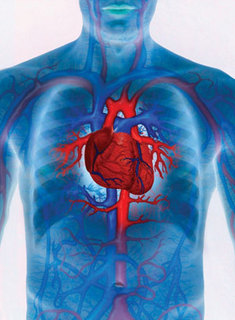 Hannah Clark is a reluctant star - she's facing the media because she's a medical miracle.
more »
Hannah Clark is a reluctant star - she's facing the media because she's a medical miracle.
more »
 EU countries urged to pass tougher anti-smoking laws.
more »
EU countries urged to pass tougher anti-smoking laws.
more »