People who use the Internet to find real-life sex partners are more likely to have had sexually transmitted diseases or engaged in risky intimate behavior, a government-led study found.
Published:
27 July 2000 y., Thursday
Another study, based on San Francisco's handling of syphilis cases linked to an Internet chat room, suggests the Internet can help public health officials curb disease outbreaks.
Both studies appear in Wednesday's Journal of the American Medical Association.
In the first study, led by Centers of Disease Control researcher Mary McFarlane, investigators looked at the habits of 856 clients at a Denver HIV testing and counseling center. Nearly 16 percent — 135 subjects — reported seeking sex partners online.
Nearly a third of those online seekers said they had contracted sexually transmitted diseases and had been exposed to HIV-positive sex partners. In comparison, 20 percent of those who tried to find partners in more conventional ways said they'd had venereal diseases and just 14 percent said they'd had HIV-positive partners.
A JAMA editorial said the findings weren't surprising, since the anonymity of sex facilitated by the Internet would be expected to appeal to "sexual adventurers" willing to take risks.
The San Francisco health officials determined last year that two men may have contracted syphilis from partners they met online. Because the patients said they knew only their partners' chat room aliases, officials couldn't use conventional methods of tracking them down or alerting others about the danger.
With help from the service provider that hosted the chat room, officials posted alerts there encouraging men who may have met sexual partners online to seek medical evaluation. That helped them find five additional men with syphilis linked to the chat room, said the authors, led by Dr. Jeffrey Klausner of the city's public health department.
Šaltinis:
discovery.com
Copying, publishing, announcing any information from the News.lt portal without written permission of News.lt editorial office is prohibited.
The most popular articles
 Since the update of 24 July, Azerbaijan and the Republic of Moldova have reported their first laboratory-confirmed cases of pandemic (H1N1) 2009 virus infection.
more »
Since the update of 24 July, Azerbaijan and the Republic of Moldova have reported their first laboratory-confirmed cases of pandemic (H1N1) 2009 virus infection.
more »
 The holiday season has arrived. Your suitcases are packed, your neighbours are watering the plants and feeding the cat and your tickets are ready.
more »
The holiday season has arrived. Your suitcases are packed, your neighbours are watering the plants and feeding the cat and your tickets are ready.
more »
 Topping up your tan on a sunbed is being compared to the cancer risks associated with smoking.
more »
Topping up your tan on a sunbed is being compared to the cancer risks associated with smoking.
more »
 Twenty countries are teaming up to study Alzheimer’s and other forms of dementia, in the first test of a new approach to research in Europe.
more »
Twenty countries are teaming up to study Alzheimer’s and other forms of dementia, in the first test of a new approach to research in Europe.
more »
 The European Commission adopted concrete proposals to tackle Alzheimer’s disease, dementias and other neurodegenerative conditions.
more »
The European Commission adopted concrete proposals to tackle Alzheimer’s disease, dementias and other neurodegenerative conditions.
more »
The increasing number of cases in many countries, with sustained community transmission, made confirming them through laboratory testing extremely difficult and resource intensive.
more »
 The EU’s food safety alert system picks up dangerous food products before they land on your plate.
more »
The EU’s food safety alert system picks up dangerous food products before they land on your plate.
more »
 WHO publishes its first guidelines on indoor air quality, addressing dampness and mould.
more »
WHO publishes its first guidelines on indoor air quality, addressing dampness and mould.
more »
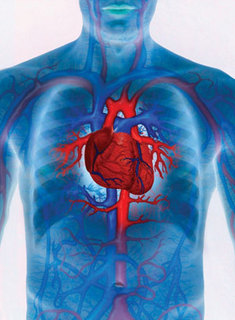 Hannah Clark is a reluctant star - she's facing the media because she's a medical miracle.
more »
Hannah Clark is a reluctant star - she's facing the media because she's a medical miracle.
more »
 EU countries urged to pass tougher anti-smoking laws.
more »
EU countries urged to pass tougher anti-smoking laws.
more »