The next major tech fallout could be environmental, as computer use increases and consumers get rid of obsolete equipment.
Published:
30 May 2001 y., Wednesday
Experts warn that if more viable ways to recycle or re-use old electronics and computer gear are not found, much of the cyberjunk will end up in community landfills, where it poses risks to health and the environment. The issue has corporations, government officials and environmental advocates brainstorming for solutions -- and debating about who should pick up the tab.
According to the National Safety Council, the number of PCs deemed obsolete in 2002 will exceed the number of new PCs shipped. With few recycling programs now in place, the U.S. Environmental Protection Agency estimates that computers and other electronic equipment already account for about 220 million tons of waste per year in the United States.
What is worse, say environmental advocates, is that older equipment contains large amounts of lead, mercury and other heavy metals that pose health hazards if not disposed of properly. The latest response from the high-tech industry came last week, when computer and printer maker Hewlett-Packard announced an equipment recycling service for consumers and businesses. The Palo Alto, California-based company said the service -- part of its ongoing Planet Partners program -- includes pickup, transportation and evaluation of items for possible re-use or donation, as well as recycling.
HP said that computer gear from all manufacturers will be accepted, and consumers can purchase the service online for a fee ranging from US$13 to $34 per item, depending on the type of product being returned.
Šaltinis:
ecommercetimes.com
Copying, publishing, announcing any information from the News.lt portal without written permission of News.lt editorial office is prohibited.
The most popular articles
 Some 56 000 people in the EU are currently waiting for a transplant operation. Every day 12 of them die waiting for an organ to be donated.
more »
Some 56 000 people in the EU are currently waiting for a transplant operation. Every day 12 of them die waiting for an organ to be donated.
more »
 Every day, across the vast country, Chinese school children put down their pens and perform a series of government-devised exercises intended to strengthen their eyes.
more »
Every day, across the vast country, Chinese school children put down their pens and perform a series of government-devised exercises intended to strengthen their eyes.
more »
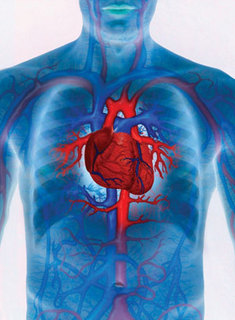 D. Simmons said the experience of living for so long with a machine pumping her blood was "scary."
more »
D. Simmons said the experience of living for so long with a machine pumping her blood was "scary."
more »
 A recent report found that children in Europe are not getting enough fruit and vegetables, so the European Commission is proposing to set aside money to ensure they get weekly fruit.
more »
A recent report found that children in Europe are not getting enough fruit and vegetables, so the European Commission is proposing to set aside money to ensure they get weekly fruit.
more »
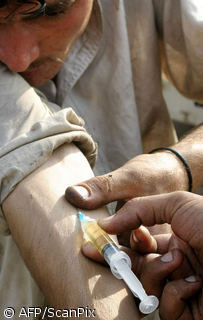 Every year 7,000-8,000 people in the EU die because of drug use and a drugs overdose remains one of the main causes of death among young people.
more »
Every year 7,000-8,000 people in the EU die because of drug use and a drugs overdose remains one of the main causes of death among young people.
more »
 Bad health through a bad diet is a growing problem across Europe.
more »
Bad health through a bad diet is a growing problem across Europe.
more »
 In accordance with the EC Treaty rules on state aid, the European Commission has approved aid worth €90 million to be granted by France to the R&D programme “ADNA” covering the development of personalised medicine for infectious diseases, cancer and genetic diseases.
more »
In accordance with the EC Treaty rules on state aid, the European Commission has approved aid worth €90 million to be granted by France to the R&D programme “ADNA” covering the development of personalised medicine for infectious diseases, cancer and genetic diseases.
more »
 October is international breast cancer awareness month. In Europe alone there are an estimated 430,000 new cases a year and in the EU breast cancer will affect one in 10 women before the age of 80.
more »
October is international breast cancer awareness month. In Europe alone there are an estimated 430,000 new cases a year and in the EU breast cancer will affect one in 10 women before the age of 80.
more »
 Today in the afternoon, President Valdas Adamkus had a lens replacement surgery in his right eye at Santariškių Clinical Hospital.
more »
Today in the afternoon, President Valdas Adamkus had a lens replacement surgery in his right eye at Santariškių Clinical Hospital.
more »
The last four suspected bird flu patients two of them confirmed to have contracted the deadly H5N1 strain were discharged from a hospital in eastern Turkey, signalling an end to the recent outbreak, a doctor said on Saturday.
more »