The next major tech fallout could be environmental, as computer use increases and consumers get rid of obsolete equipment.
Published:
30 May 2001 y., Wednesday
Experts warn that if more viable ways to recycle or re-use old electronics and computer gear are not found, much of the cyberjunk will end up in community landfills, where it poses risks to health and the environment. The issue has corporations, government officials and environmental advocates brainstorming for solutions -- and debating about who should pick up the tab.
According to the National Safety Council, the number of PCs deemed obsolete in 2002 will exceed the number of new PCs shipped. With few recycling programs now in place, the U.S. Environmental Protection Agency estimates that computers and other electronic equipment already account for about 220 million tons of waste per year in the United States.
What is worse, say environmental advocates, is that older equipment contains large amounts of lead, mercury and other heavy metals that pose health hazards if not disposed of properly. The latest response from the high-tech industry came last week, when computer and printer maker Hewlett-Packard announced an equipment recycling service for consumers and businesses. The Palo Alto, California-based company said the service -- part of its ongoing Planet Partners program -- includes pickup, transportation and evaluation of items for possible re-use or donation, as well as recycling.
HP said that computer gear from all manufacturers will be accepted, and consumers can purchase the service online for a fee ranging from US$13 to $34 per item, depending on the type of product being returned.
Šaltinis:
ecommercetimes.com
Copying, publishing, announcing any information from the News.lt portal without written permission of News.lt editorial office is prohibited.
The most popular articles
 Since the update of 24 July, Azerbaijan and the Republic of Moldova have reported their first laboratory-confirmed cases of pandemic (H1N1) 2009 virus infection.
more »
Since the update of 24 July, Azerbaijan and the Republic of Moldova have reported their first laboratory-confirmed cases of pandemic (H1N1) 2009 virus infection.
more »
 The holiday season has arrived. Your suitcases are packed, your neighbours are watering the plants and feeding the cat and your tickets are ready.
more »
The holiday season has arrived. Your suitcases are packed, your neighbours are watering the plants and feeding the cat and your tickets are ready.
more »
 Topping up your tan on a sunbed is being compared to the cancer risks associated with smoking.
more »
Topping up your tan on a sunbed is being compared to the cancer risks associated with smoking.
more »
 Twenty countries are teaming up to study Alzheimer’s and other forms of dementia, in the first test of a new approach to research in Europe.
more »
Twenty countries are teaming up to study Alzheimer’s and other forms of dementia, in the first test of a new approach to research in Europe.
more »
 The European Commission adopted concrete proposals to tackle Alzheimer’s disease, dementias and other neurodegenerative conditions.
more »
The European Commission adopted concrete proposals to tackle Alzheimer’s disease, dementias and other neurodegenerative conditions.
more »
The increasing number of cases in many countries, with sustained community transmission, made confirming them through laboratory testing extremely difficult and resource intensive.
more »
 The EU’s food safety alert system picks up dangerous food products before they land on your plate.
more »
The EU’s food safety alert system picks up dangerous food products before they land on your plate.
more »
 WHO publishes its first guidelines on indoor air quality, addressing dampness and mould.
more »
WHO publishes its first guidelines on indoor air quality, addressing dampness and mould.
more »
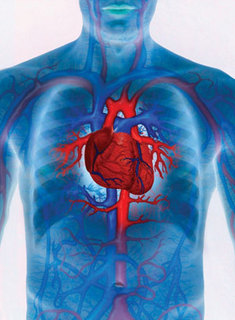 Hannah Clark is a reluctant star - she's facing the media because she's a medical miracle.
more »
Hannah Clark is a reluctant star - she's facing the media because she's a medical miracle.
more »
 EU countries urged to pass tougher anti-smoking laws.
more »
EU countries urged to pass tougher anti-smoking laws.
more »