A major oil company in the Baltic states says it is installing blue lights in its gas station toilettes to dissuade growing numbers of drug addicts from using the facilities to inject narcotics.
Published:
5 February 2001 y., Monday
The Norwegian-owned Statoil, a leading gasoline distributor in the region, said intravenous drug users had difficulty finding veins under the low, bluish light and so began avoiding places with such specially fitted bulbs. Before they restored independence in 1991, narcotics use in the Baltic states was rare. But as Estonia, Latvia and Lithuania have opened up to the rest of the world, illegal drug use has risen sharply.
Statoil said the problem was dramatically highlighted when an employee at a gas station in Latvia recently pricked herself with a needle that had been discarded in the bathroom. It was found to be infected with the HIV virus that causes AIDS. Statoil has some 90 stations across the region, but only those near large cities, where narcotics use is more common, were putting up the blue lights. Several outlets already installed the lights and others will do so soon. Spokesmen for the oil company said some Western European nations have already put blue lights in airport bathrooms and at other public places. They said the scheme had already proven effective at dissuading addicts.
Šaltinis:
The Weekly Crier
Copying, publishing, announcing any information from the News.lt portal without written permission of News.lt editorial office is prohibited.
The most popular articles
 Since the update of 24 July, Azerbaijan and the Republic of Moldova have reported their first laboratory-confirmed cases of pandemic (H1N1) 2009 virus infection.
more »
Since the update of 24 July, Azerbaijan and the Republic of Moldova have reported their first laboratory-confirmed cases of pandemic (H1N1) 2009 virus infection.
more »
 The holiday season has arrived. Your suitcases are packed, your neighbours are watering the plants and feeding the cat and your tickets are ready.
more »
The holiday season has arrived. Your suitcases are packed, your neighbours are watering the plants and feeding the cat and your tickets are ready.
more »
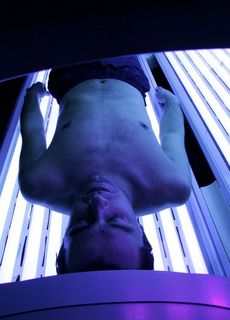 Topping up your tan on a sunbed is being compared to the cancer risks associated with smoking.
more »
Topping up your tan on a sunbed is being compared to the cancer risks associated with smoking.
more »
 Twenty countries are teaming up to study Alzheimer’s and other forms of dementia, in the first test of a new approach to research in Europe.
more »
Twenty countries are teaming up to study Alzheimer’s and other forms of dementia, in the first test of a new approach to research in Europe.
more »
 The European Commission adopted concrete proposals to tackle Alzheimer’s disease, dementias and other neurodegenerative conditions.
more »
The European Commission adopted concrete proposals to tackle Alzheimer’s disease, dementias and other neurodegenerative conditions.
more »
The increasing number of cases in many countries, with sustained community transmission, made confirming them through laboratory testing extremely difficult and resource intensive.
more »
 The EU’s food safety alert system picks up dangerous food products before they land on your plate.
more »
The EU’s food safety alert system picks up dangerous food products before they land on your plate.
more »
 WHO publishes its first guidelines on indoor air quality, addressing dampness and mould.
more »
WHO publishes its first guidelines on indoor air quality, addressing dampness and mould.
more »
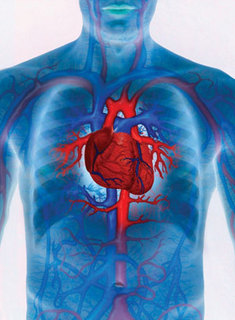 Hannah Clark is a reluctant star - she's facing the media because she's a medical miracle.
more »
Hannah Clark is a reluctant star - she's facing the media because she's a medical miracle.
more »
 EU countries urged to pass tougher anti-smoking laws.
more »
EU countries urged to pass tougher anti-smoking laws.
more »