The battle between Microsoft, RealNetworks and other streaming software companies is moving from the desktop to the cell phone.
Published:
24 February 2001 y., Saturday
As the companies jockey for position in the wireless world, the race is on to secure critical partnerships with manufacturers and chipmakers to beam music, newscasts and other data to next-generation handheld devices.
Streaming technology allows people to tap into audio and video without having to download large files. Like many other Internet players, streaming software companies see cell phones as devices that will let them step away from the confines of desktop PCs. Going mobile has the potential to resolve some standards issues that have plagued streaming technology thus far, analysts say, but it will likely take time to convince consumers that cell phones are ideal for watching videos and listening to music.
Still, streaming software companies are preparing for the day the market takes off. Just this week, Microsoft said it would team with Texas Instruments to support Windows Media audio, video and digital rights management technology on the chipmaker's DSP-based processors for wireless Internet devices. The collaboration will allow mobile phone manufacturers to offer Windows Media Player on new products.
The announcement follows a key partnership with NTT DoCoMo to serve up Windows Media on a device dubbed Eggy. About 60 devices now support Microsoft's digital music software, said Michael Aldridge, lead product manager for Microsoft's Windows digital media division.
RealNetworks has struck a similar deal with Texas Instruments that lets its audio players run on wireless devices. The Seattle-based company also scored a deal with Nokia last year, in which the RealPlayer technology will be bundled in Nokia's new smart phones.
Šaltinis:
CNET News.com
Copying, publishing, announcing any information from the News.lt portal without written permission of News.lt editorial office is prohibited.
The most popular articles
Software company announced new structure_ of it_s business.
more »
 The iPhone's new “ATM Hunter” is a a free iPhone application built by MasterCard that allows users to quickly find the ATMs that are closest to them.
more »
The iPhone's new “ATM Hunter” is a a free iPhone application built by MasterCard that allows users to quickly find the ATMs that are closest to them.
more »
 In security breach cases last year, such as Hannaford Bros. supermarket and the card processing firm Heartland Payment Systems, cybercriminals gained access to millions of consumers' credit card details.
more »
In security breach cases last year, such as Hannaford Bros. supermarket and the card processing firm Heartland Payment Systems, cybercriminals gained access to millions of consumers' credit card details.
more »
 Ingenico, a provider of payment solutions, says contactless technology will split the retail market this year, improving sales figures for early adopters and costing those who shun the additional investment in this burgeoning technology.
more »
Ingenico, a provider of payment solutions, says contactless technology will split the retail market this year, improving sales figures for early adopters and costing those who shun the additional investment in this burgeoning technology.
more »
 Widevine Technologies today announced that the US Patent and Trademark Office has reconfirmed the validity of many claims of Widevine's U.S.
more »
Widevine Technologies today announced that the US Patent and Trademark Office has reconfirmed the validity of many claims of Widevine's U.S.
more »
 Nokia Corp., the world's largest maker of cell phones, is making a large investment in California-based Obopay Inc., a startup that's pushing person-to-person mobile-payments technology.
more »
Nokia Corp., the world's largest maker of cell phones, is making a large investment in California-based Obopay Inc., a startup that's pushing person-to-person mobile-payments technology.
more »
 The increasing amount of overlap and duplication of data, tasks and processes in their anti-fraud and anti-money laundering divisions is driving banks to seek synergies between compliance, risk management and security, according to a new report from Datamonitor.
more »
The increasing amount of overlap and duplication of data, tasks and processes in their anti-fraud and anti-money laundering divisions is driving banks to seek synergies between compliance, risk management and security, according to a new report from Datamonitor.
more »
 The total number of IPTV subscribers worldwide passed the 20mn mark at the end of 2008, according to new figures from Informa Telecoms & Media, taking into account both disclosed and estimated figures.
more »
The total number of IPTV subscribers worldwide passed the 20mn mark at the end of 2008, according to new figures from Informa Telecoms & Media, taking into account both disclosed and estimated figures.
more »
 The IPTV World Forum opened its doors this morning on a bright London day, and the mood was equally optimistic indoors, with the conference rooms packed for keynote presentations from Christopher Schläffer of Deutsche Telekom, Christophe Forax from the European Commission and the BBC's Richard Halton, charged with making Project Canvas a reality.
more »
The IPTV World Forum opened its doors this morning on a bright London day, and the mood was equally optimistic indoors, with the conference rooms packed for keynote presentations from Christopher Schläffer of Deutsche Telekom, Christophe Forax from the European Commission and the BBC's Richard Halton, charged with making Project Canvas a reality.
more »
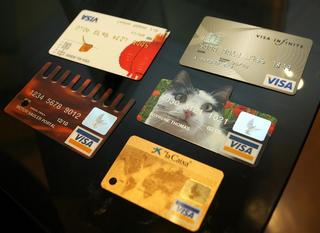 A new Gartner Inc. report suggests that financial fraud could drive consumers away from banks and into the arms of electronic payment systems, such as PayPal, that they perceive to be more secure.
more »
A new Gartner Inc. report suggests that financial fraud could drive consumers away from banks and into the arms of electronic payment systems, such as PayPal, that they perceive to be more secure.
more »
 In the last year this more than doubles the number of cards and devices in circulation around the world.
more »
In the last year this more than doubles the number of cards and devices in circulation around the world.
more »