Embassy staff furious at Home Office over scale of East European visa scandal
Published:
17 June 2004 y., Thursday
NINE of out ten immigrants from Eastern Europe should never have been given visas to enter Britain and seek work, a damning report has found.
An investigation by a government watchdog found that British embassy officials in Romania and Bulgaria were appalled by a Home Office decision to admit thousands of immigrants, many of whom could not speak English and had no work skills.
They told a team from the National Audit Office (NAO) that, if their tough standards for approving visas had been used, "they would have issued visas to less than 10 per cent of the applicants that did actually receive them".
Despite the findings, the government insisted last night that the flood of Eastern Europeans into Britain which had been predicted in the run-up to European Union enlargement has not materialised.
Des Browne, the immigration minister, in his first official comment on the issue since eight former Communist states joined the EU, said: "Early indications are that there has not been a ‘flood’ of new entrants and the majority of those who have registered were already in the UK before 1 May."
However, the NAO’s findings will come as a blow to the Home Office, which is still trying to recover from the row over its slack immigration policy for Eastern European applicants that cost Beverley Hughes her job. The former immigration minister was forced to resign after a civil service whistle blower revealed how Romanian applicants, including a one-legged roof tiler, had been granted work visas by the Home Office.
The controversy deepened last night after the NAO confirmed it had been urged by Home Office officials to delay the timing of its report from yesterday until today, to coincide with the Home Office’s internal investigation.
Šaltinis:
news.scotsman.com
Copying, publishing, announcing any information from the News.lt portal without written permission of News.lt editorial office is prohibited.
The most popular articles
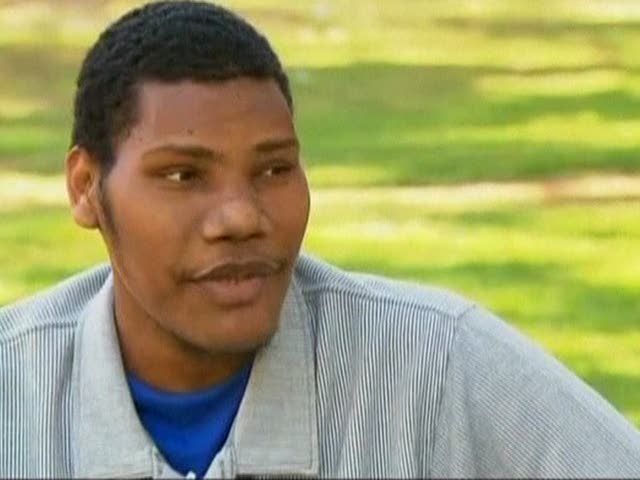 Guinness World Records officially declares that an Australian man has the world's largest feet.
more »
Guinness World Records officially declares that an Australian man has the world's largest feet.
more »
 It's a sniffer dog with a difference: a military Belgian Shepherd that has been trained to detect signs of prostate cancer in patients' urine. According to French scientists, the dog can do it far more accurately than any currently available scientific technique.
more »
It's a sniffer dog with a difference: a military Belgian Shepherd that has been trained to detect signs of prostate cancer in patients' urine. According to French scientists, the dog can do it far more accurately than any currently available scientific technique.
more »
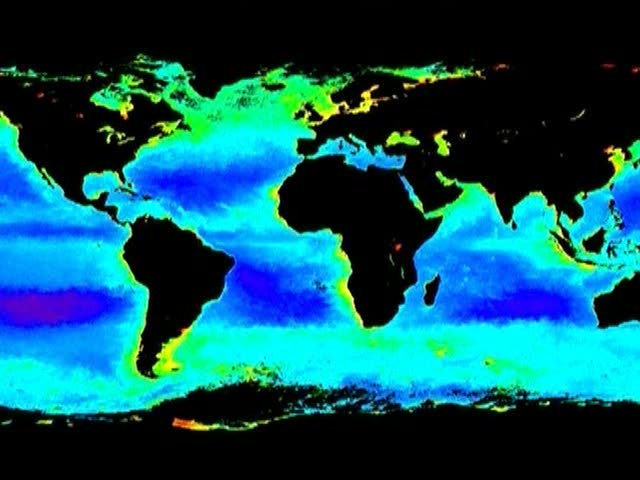 This week marks the beginning of hurricane season in the United States and scientists will be watching closely in the wake of extreme weather patterns that have devastated the Midwest. One of the questions they're trying to answer focuses on the impact of climate change and global warming.
more »
This week marks the beginning of hurricane season in the United States and scientists will be watching closely in the wake of extreme weather patterns that have devastated the Midwest. One of the questions they're trying to answer focuses on the impact of climate change and global warming.
more »
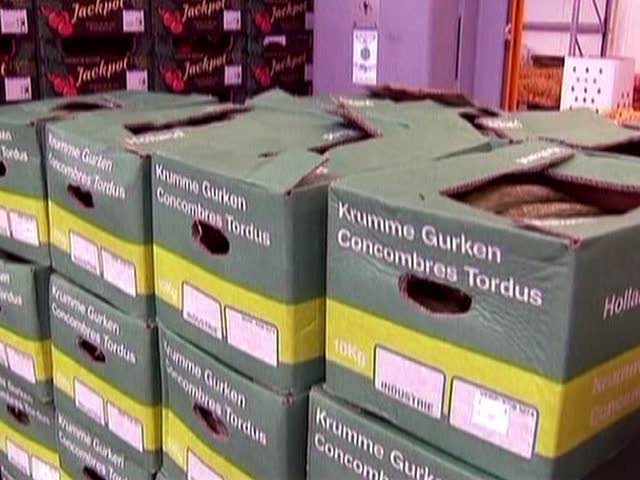 Spanish cucumbers are being blame for an E.coli outbreak that killed 10 people in Germany and sickened hundreds.
more »
Spanish cucumbers are being blame for an E.coli outbreak that killed 10 people in Germany and sickened hundreds.
more »
 Protesters clash with police as pro Mladic rallies continue in the Serbian capital.
more »
Protesters clash with police as pro Mladic rallies continue in the Serbian capital.
more »
 Japan, Geiger counters, radiation leak, Fuji Electric
more »
Japan, Geiger counters, radiation leak, Fuji Electric
more »
 Chinese artist Qi Baishi's ink-wash work is auctioned for 65.4 million U.S. Dollars (425 million yuan) in Beijing, setting a new record for contemporary Chinese painting.
more »
Chinese artist Qi Baishi's ink-wash work is auctioned for 65.4 million U.S. Dollars (425 million yuan) in Beijing, setting a new record for contemporary Chinese painting.
more »
 Georgian police wearing full riot gear used water cannons and rubber bullets to disperse protesters in Tiblisi.
more »
Georgian police wearing full riot gear used water cannons and rubber bullets to disperse protesters in Tiblisi.
more »
 CT scanning has allowed scientists to identify and recreate in stunning three-dimensional detail, an ancient spider trapped in amber for 50 million years...
more »
CT scanning has allowed scientists to identify and recreate in stunning three-dimensional detail, an ancient spider trapped in amber for 50 million years...
more »
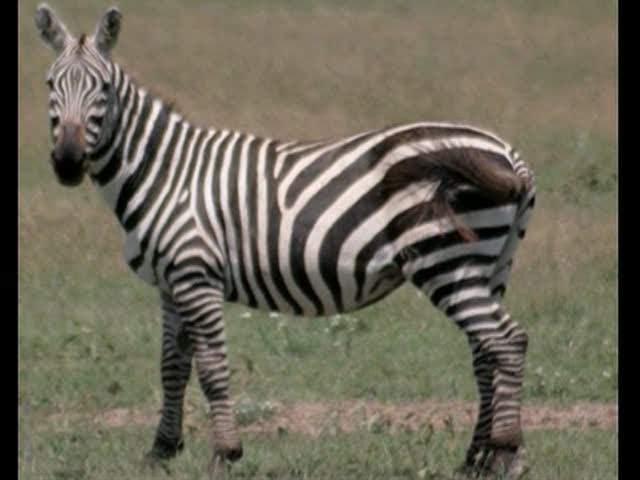 Researchers in Chicago have developed a new barcoding system that can identify and track zebras by their unique stripe patterns. The scientists say their computer program can also be modified to keep track of endangered species like tigers and some giraffe species.
more »
Researchers in Chicago have developed a new barcoding system that can identify and track zebras by their unique stripe patterns. The scientists say their computer program can also be modified to keep track of endangered species like tigers and some giraffe species.
more »