During a session of the European Commission in Brussels July 10, the Commissioner for Agriculture Franz Fischler presented a proposal for the reform of the European Union's Common Agricultural Policy (CAP).
Published:
30 July 2002 y., Tuesday
In accordance with the reform, the principles governing the financing of agriculture would change. According to observers, this should help close negotiations with EU candidate countries timely by the end of this year.
The proposed reform may, as one of the EU diplomats said, decrease the fears of net payers to EU coffers, in particular Germany, that enlarging the Union to include the poor Eastern European countries might increase the agricultural budget to a level that would be impossible to finance. In addition, if it is possible to push through the proposal to spend less EU funds on direct subsidies for production and more on the development of rural areas, it will be easier to integrate with the candidate countries' agricultural sectors.
"The commission's proposal...will have a positive side effect-it will facilitate the enlargement of the Union," said Fischler.
The CAP reform has been criticized by France and the EU farmers' unions. Germany and the Netherlands clearly indicated that they would support EU enlargement at the December summit in Copenhagen if at the same time a schedule of cost reduction for the CAP is approved. The candidate countries have welcomed the planned reform, because they believe it offers them more favorable conditions than they previously assumed for utilizing CAP after joining the EU.
Fischler said that farmers from candidate countries would receive the same funds as the EU farmers are getting now, in 2011 and not in 2013 as was planned earlier.
Commenting on the information from Brussels, head of the Sejm Committee
Šaltinis:
warsawvoice.pl
Copying, publishing, announcing any information from the News.lt portal without written permission of News.lt editorial office is prohibited.
The most popular articles
 Guinness World Records officially declares that an Australian man has the world's largest feet.
more »
Guinness World Records officially declares that an Australian man has the world's largest feet.
more »
 It's a sniffer dog with a difference: a military Belgian Shepherd that has been trained to detect signs of prostate cancer in patients' urine. According to French scientists, the dog can do it far more accurately than any currently available scientific technique.
more »
It's a sniffer dog with a difference: a military Belgian Shepherd that has been trained to detect signs of prostate cancer in patients' urine. According to French scientists, the dog can do it far more accurately than any currently available scientific technique.
more »
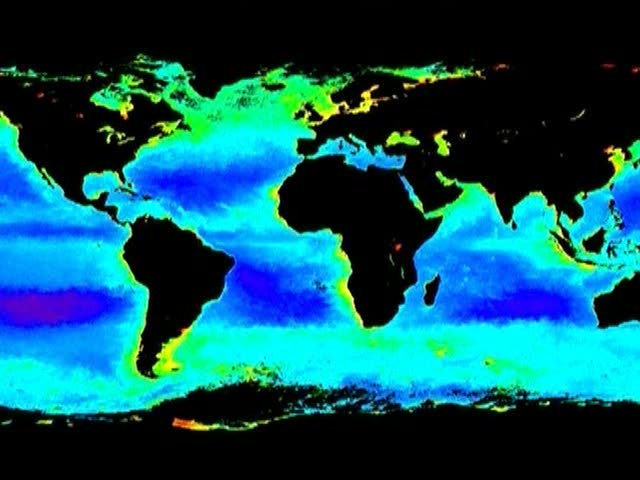 This week marks the beginning of hurricane season in the United States and scientists will be watching closely in the wake of extreme weather patterns that have devastated the Midwest. One of the questions they're trying to answer focuses on the impact of climate change and global warming.
more »
This week marks the beginning of hurricane season in the United States and scientists will be watching closely in the wake of extreme weather patterns that have devastated the Midwest. One of the questions they're trying to answer focuses on the impact of climate change and global warming.
more »
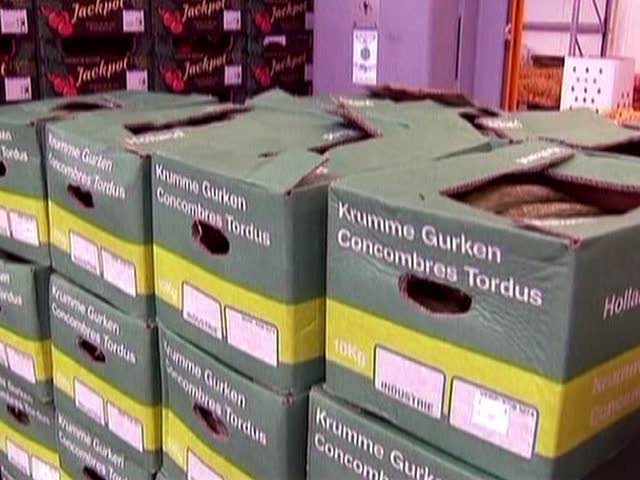 Spanish cucumbers are being blame for an E.coli outbreak that killed 10 people in Germany and sickened hundreds.
more »
Spanish cucumbers are being blame for an E.coli outbreak that killed 10 people in Germany and sickened hundreds.
more »
 Protesters clash with police as pro Mladic rallies continue in the Serbian capital.
more »
Protesters clash with police as pro Mladic rallies continue in the Serbian capital.
more »
 Japan, Geiger counters, radiation leak, Fuji Electric
more »
Japan, Geiger counters, radiation leak, Fuji Electric
more »
 Chinese artist Qi Baishi's ink-wash work is auctioned for 65.4 million U.S. Dollars (425 million yuan) in Beijing, setting a new record for contemporary Chinese painting.
more »
Chinese artist Qi Baishi's ink-wash work is auctioned for 65.4 million U.S. Dollars (425 million yuan) in Beijing, setting a new record for contemporary Chinese painting.
more »
 Georgian police wearing full riot gear used water cannons and rubber bullets to disperse protesters in Tiblisi.
more »
Georgian police wearing full riot gear used water cannons and rubber bullets to disperse protesters in Tiblisi.
more »
 CT scanning has allowed scientists to identify and recreate in stunning three-dimensional detail, an ancient spider trapped in amber for 50 million years...
more »
CT scanning has allowed scientists to identify and recreate in stunning three-dimensional detail, an ancient spider trapped in amber for 50 million years...
more »
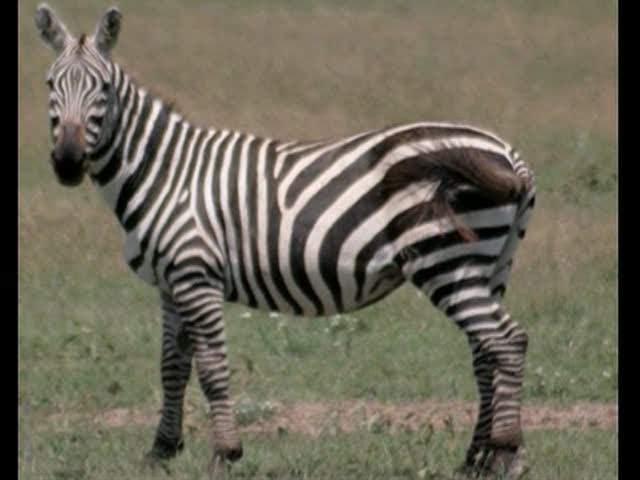 Researchers in Chicago have developed a new barcoding system that can identify and track zebras by their unique stripe patterns. The scientists say their computer program can also be modified to keep track of endangered species like tigers and some giraffe species.
more »
Researchers in Chicago have developed a new barcoding system that can identify and track zebras by their unique stripe patterns. The scientists say their computer program can also be modified to keep track of endangered species like tigers and some giraffe species.
more »