Russia/Lithuania: Presidents Applaud 'Progress' In Bilateral Talks
Published:
31 March 2001 y., Saturday
Lithuanian President Valdas Adamkus and Russian President Vladimir Putin today signed a common statement on the future of the Russian exclave of Kaliningrad once Lithuania joins the EU and maybe NATO. Both heads of state noted that progress has been made during their talks. The agreement seems to have allayed some of Russia's fears. The meeting of Lithuanian President Valdas Adamkus and Russian President Vladimir Putin ended today in the Kremlin with an upbeat declaration expressing understanding for Russia's worries about the possible economic and security consequences of Lithuania's entry into the European Union and possibly NATO. The declaration constitutes a first step in negotiations to reach a mutually-acceptable compromise.
At the end of a three-hour talk, Adamkus called the meeting with Putin "historic," saying that Moscow and Vilnius would make an "enormous" contribution to the "creation of a new Europe." Existing problems should be solved through "political negotiations," the Lithuanian president was quoted as saying.
In a special statement on Kaliningrad, signed by Putin and Adamkus this afternoon, both countries pledged to grant Kaliningrad's inhabitants as much freedom of movement as possible and to improve the rules that regulate the shipment of energy and military equipment through Lithuania.
However, disagreements persist over Lithuania's demand that Russian pay out compensation for the occupation of its territory for 50 years. While Adamkus clearly spoke out against the compensation law last summer, saying it didn't serve the nation's interests, he did tell NTV last night that Russia should compensate for ecological damage caused by Soviet occupation.
Šaltinis:
Copying, publishing, announcing any information from the News.lt portal without written permission of News.lt editorial office is prohibited.
The most popular articles
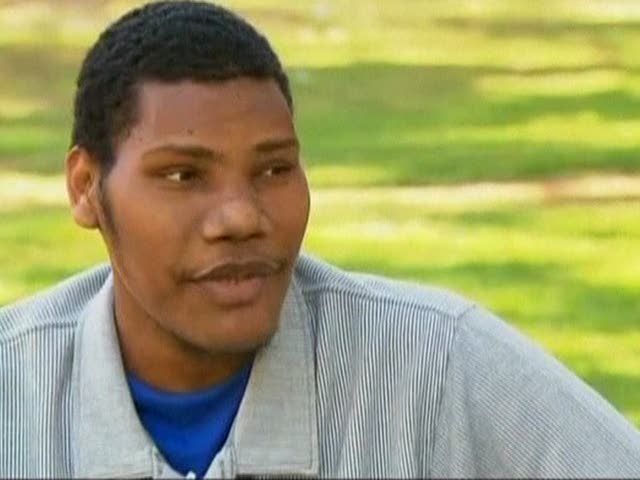 Guinness World Records officially declares that an Australian man has the world's largest feet.
more »
Guinness World Records officially declares that an Australian man has the world's largest feet.
more »
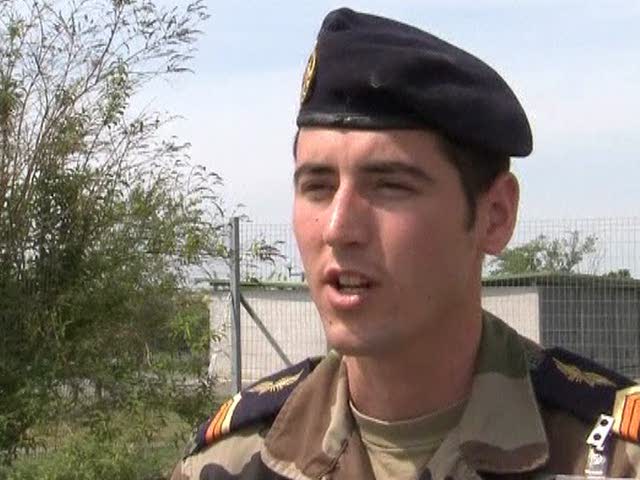 It's a sniffer dog with a difference: a military Belgian Shepherd that has been trained to detect signs of prostate cancer in patients' urine. According to French scientists, the dog can do it far more accurately than any currently available scientific technique.
more »
It's a sniffer dog with a difference: a military Belgian Shepherd that has been trained to detect signs of prostate cancer in patients' urine. According to French scientists, the dog can do it far more accurately than any currently available scientific technique.
more »
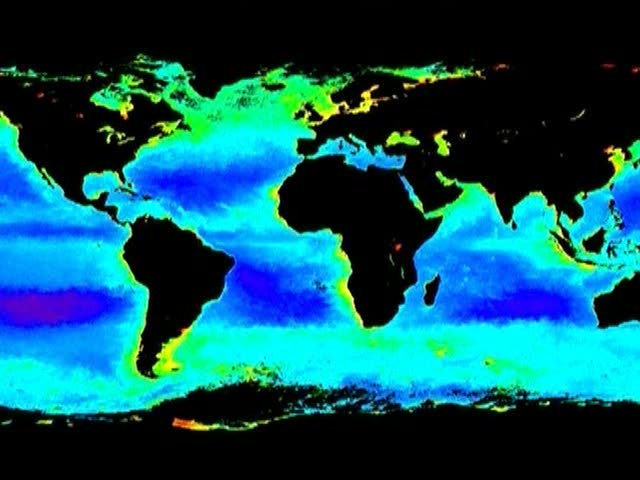 This week marks the beginning of hurricane season in the United States and scientists will be watching closely in the wake of extreme weather patterns that have devastated the Midwest. One of the questions they're trying to answer focuses on the impact of climate change and global warming.
more »
This week marks the beginning of hurricane season in the United States and scientists will be watching closely in the wake of extreme weather patterns that have devastated the Midwest. One of the questions they're trying to answer focuses on the impact of climate change and global warming.
more »
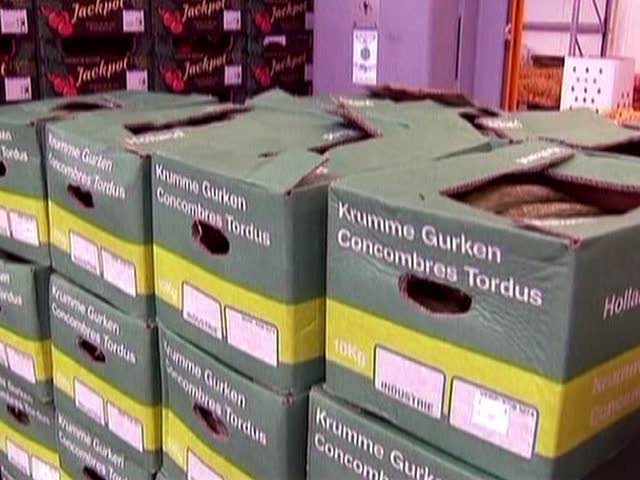 Spanish cucumbers are being blame for an E.coli outbreak that killed 10 people in Germany and sickened hundreds.
more »
Spanish cucumbers are being blame for an E.coli outbreak that killed 10 people in Germany and sickened hundreds.
more »
 Protesters clash with police as pro Mladic rallies continue in the Serbian capital.
more »
Protesters clash with police as pro Mladic rallies continue in the Serbian capital.
more »
 Japan, Geiger counters, radiation leak, Fuji Electric
more »
Japan, Geiger counters, radiation leak, Fuji Electric
more »
 Chinese artist Qi Baishi's ink-wash work is auctioned for 65.4 million U.S. Dollars (425 million yuan) in Beijing, setting a new record for contemporary Chinese painting.
more »
Chinese artist Qi Baishi's ink-wash work is auctioned for 65.4 million U.S. Dollars (425 million yuan) in Beijing, setting a new record for contemporary Chinese painting.
more »
 Georgian police wearing full riot gear used water cannons and rubber bullets to disperse protesters in Tiblisi.
more »
Georgian police wearing full riot gear used water cannons and rubber bullets to disperse protesters in Tiblisi.
more »
 CT scanning has allowed scientists to identify and recreate in stunning three-dimensional detail, an ancient spider trapped in amber for 50 million years...
more »
CT scanning has allowed scientists to identify and recreate in stunning three-dimensional detail, an ancient spider trapped in amber for 50 million years...
more »
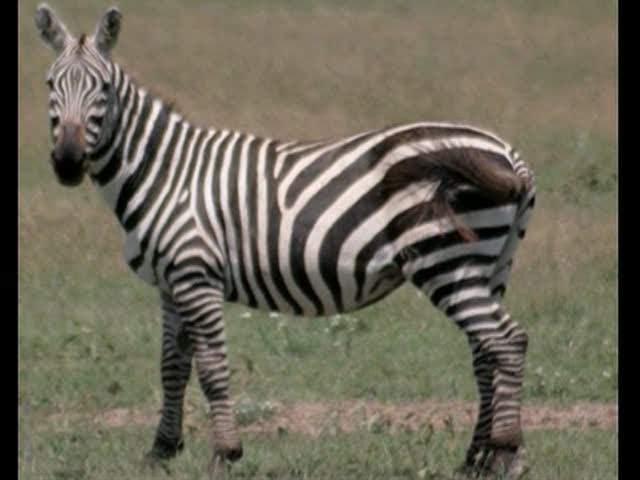 Researchers in Chicago have developed a new barcoding system that can identify and track zebras by their unique stripe patterns. The scientists say their computer program can also be modified to keep track of endangered species like tigers and some giraffe species.
more »
Researchers in Chicago have developed a new barcoding system that can identify and track zebras by their unique stripe patterns. The scientists say their computer program can also be modified to keep track of endangered species like tigers and some giraffe species.
more »