A Leading Belarussian scientist who tried to highlight the disastrous effects of the 1986 Chernobyl nuclear disaster on the health of the country's children has been sentenced to eight years in a labour camp.
Published:
22 July 2001 y., Sunday
The jailing of Yuri Bandazhevsky, the former dean of the medical institute in the southern city of Gomel, appears to be part of a long-running campaign by President Alexander Lukashenko to play down the consequences of the world's worst nuclear accident.
Lukashenko presides over arguably Europe's most repressive regime. Reviled in the West, he was accused by two top former officials last week of helping to set up a death squad blamed for the disappearance of four opposition politicians in the past two years.
Bandazhevsky was convicted by a military court, ostensibly of taking bribes in exchange for college admission. He denied the corruption charge but, under Belarussian law, has no right of appeal. His family fears for his health as jail food is virtually inedible and he is receiving no medical attention for a stomach ulcer.
Amnesty International and other human rights groups monitoring the case said his conviction was linked to work aimed at establishing the full extent of damage caused by Chernobyl.
Human rights campaigners say the catalyst for Bandazhevsky's arrest was a study of children close to Gomel, 80 miles northeast of the Chernobyl plant. It found that 80% of children who had been exposed to the highest levels of radiation had irregular heart rhythms and other cardiac disorders which, in many cases, proved fatal.
Šaltinis:
sunday-times.co.uk
Copying, publishing, announcing any information from the News.lt portal without written permission of News.lt editorial office is prohibited.
The most popular articles
 Guinness World Records officially declares that an Australian man has the world's largest feet.
more »
Guinness World Records officially declares that an Australian man has the world's largest feet.
more »
 It's a sniffer dog with a difference: a military Belgian Shepherd that has been trained to detect signs of prostate cancer in patients' urine. According to French scientists, the dog can do it far more accurately than any currently available scientific technique.
more »
It's a sniffer dog with a difference: a military Belgian Shepherd that has been trained to detect signs of prostate cancer in patients' urine. According to French scientists, the dog can do it far more accurately than any currently available scientific technique.
more »
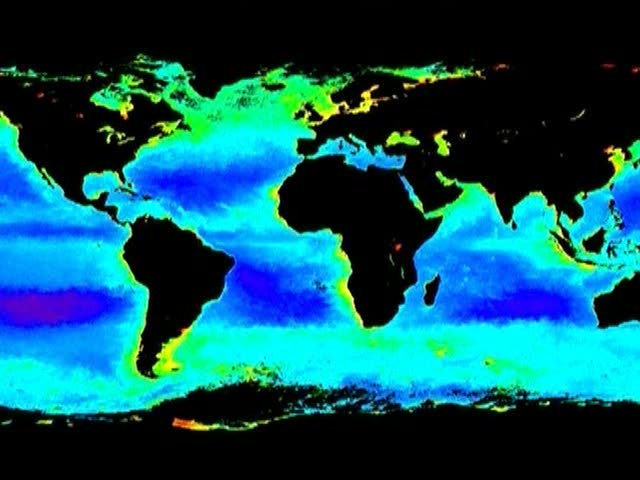 This week marks the beginning of hurricane season in the United States and scientists will be watching closely in the wake of extreme weather patterns that have devastated the Midwest. One of the questions they're trying to answer focuses on the impact of climate change and global warming.
more »
This week marks the beginning of hurricane season in the United States and scientists will be watching closely in the wake of extreme weather patterns that have devastated the Midwest. One of the questions they're trying to answer focuses on the impact of climate change and global warming.
more »
 Spanish cucumbers are being blame for an E.coli outbreak that killed 10 people in Germany and sickened hundreds.
more »
Spanish cucumbers are being blame for an E.coli outbreak that killed 10 people in Germany and sickened hundreds.
more »
 Protesters clash with police as pro Mladic rallies continue in the Serbian capital.
more »
Protesters clash with police as pro Mladic rallies continue in the Serbian capital.
more »
 Japan, Geiger counters, radiation leak, Fuji Electric
more »
Japan, Geiger counters, radiation leak, Fuji Electric
more »
 Chinese artist Qi Baishi's ink-wash work is auctioned for 65.4 million U.S. Dollars (425 million yuan) in Beijing, setting a new record for contemporary Chinese painting.
more »
Chinese artist Qi Baishi's ink-wash work is auctioned for 65.4 million U.S. Dollars (425 million yuan) in Beijing, setting a new record for contemporary Chinese painting.
more »
 Georgian police wearing full riot gear used water cannons and rubber bullets to disperse protesters in Tiblisi.
more »
Georgian police wearing full riot gear used water cannons and rubber bullets to disperse protesters in Tiblisi.
more »
 CT scanning has allowed scientists to identify and recreate in stunning three-dimensional detail, an ancient spider trapped in amber for 50 million years...
more »
CT scanning has allowed scientists to identify and recreate in stunning three-dimensional detail, an ancient spider trapped in amber for 50 million years...
more »
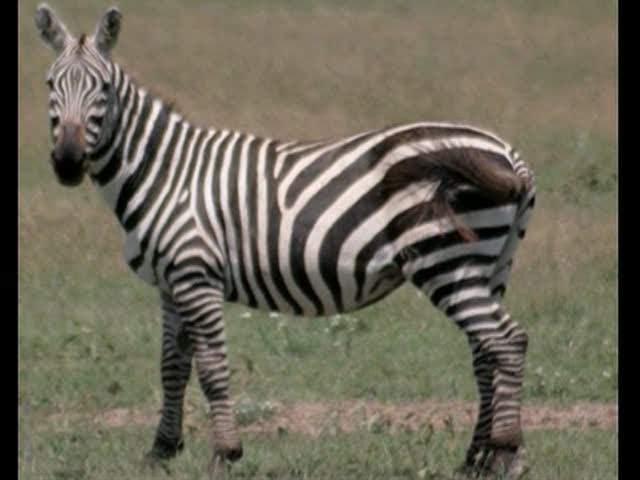 Researchers in Chicago have developed a new barcoding system that can identify and track zebras by their unique stripe patterns. The scientists say their computer program can also be modified to keep track of endangered species like tigers and some giraffe species.
more »
Researchers in Chicago have developed a new barcoding system that can identify and track zebras by their unique stripe patterns. The scientists say their computer program can also be modified to keep track of endangered species like tigers and some giraffe species.
more »