Kazakhstan’s parliament is preparing to pass an electoral code that supporters of President Nursultan Nazarbayev portray as proof of their commitment to holding transparent elections
Published:
7 March 2004 y., Sunday
Though the bill contains important concessions to opposition forces, the law, on the whole, appears to safeguard government interests.
After sifting through over 600 proposed changes to the electoral code, a joint session of parliament approved the second reading of the revised election law on February 20. A proposal for the introduction of electronic voting in certain regions prompted the postponement of a final vote on the bill. That vote is now expected on March 15. The new electoral code will be in place for parliamentary elections scheduled for later this year.
A large share of attention has been devoted to an amendment covering the composition of local election commissions. International organizations, opposition groups and, of late, Nazarbayev supporters have argued that political parties should have a larger role on the commissions. Under the proposed law, each commission would comprise seven members, with political parties being limited to one deputy each.
While the provision appears to provide for a more even-handed oversight process, one critical drawback remains. Kazakhstan already has nine registered parties and more are expected to enter the political arena in the coming months. That means some political parties will not have representation on local election commissions. A system for determining commission representation has yet to be worked out. Many opposition political activists believe the discrepancy between the number of commission slots and the number of parties will enable the Nazarbayev administration to exclude its bitterest political foes from local election commissions.
At a news conference in Almaty on February 18, representatives of Ak Zhol, a moderate opposition party, and Democratic Choice of Kazakhstan (DCK), the country’s largest reform movement, repeated earlier complaints that government pressure on parliament had prevented opposition proposals from gaining a fair hearing.
Šaltinis:
EurasiaNet
Copying, publishing, announcing any information from the News.lt portal without written permission of News.lt editorial office is prohibited.
The most popular articles
 Twenty five years after the Chernobyl explosion, radiation contamination continues to haunt the survivors as it spreads to the next generation.
more »
Twenty five years after the Chernobyl explosion, radiation contamination continues to haunt the survivors as it spreads to the next generation.
more »
 A British man builds a model of the retired U.S. aircraft carrier the USS Intrepid in New York, made entirely out of Lego pieces.
more »
A British man builds a model of the retired U.S. aircraft carrier the USS Intrepid in New York, made entirely out of Lego pieces.
more »
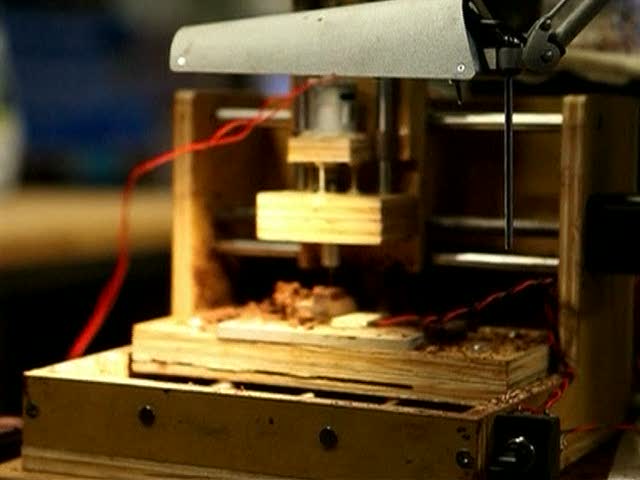 A researcher at MIT has used his technical skills to give chocolate bunnies and eggs a run for their money. David Carr built a new type of 3D printer that uses chocolate to give a new face to Easter treats.
more »
A researcher at MIT has used his technical skills to give chocolate bunnies and eggs a run for their money. David Carr built a new type of 3D printer that uses chocolate to give a new face to Easter treats.
more »
 Storm chasers captured two tornadoes on tape as they touched down in the midwestern United States- continuing a recent onslaught of twisters that have killed dozens and destroyed swathes of land and property.
more »
Storm chasers captured two tornadoes on tape as they touched down in the midwestern United States- continuing a recent onslaught of twisters that have killed dozens and destroyed swathes of land and property.
more »
 A small factory in Brazil's northeast is bringing smiles to the faces of environmentalists by turning used toothpaste tubes into furniture and roof tiles.
more »
A small factory in Brazil's northeast is bringing smiles to the faces of environmentalists by turning used toothpaste tubes into furniture and roof tiles.
more »
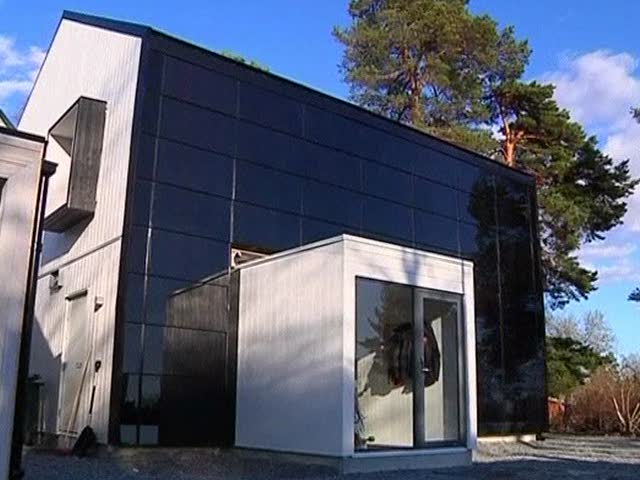 The Lindel family are attempting to live a low carbon life as part of an experiment to cut their carbon emissions from the annual average of seven tonnes per person to only one tonne.
more »
The Lindel family are attempting to live a low carbon life as part of an experiment to cut their carbon emissions from the annual average of seven tonnes per person to only one tonne.
more »
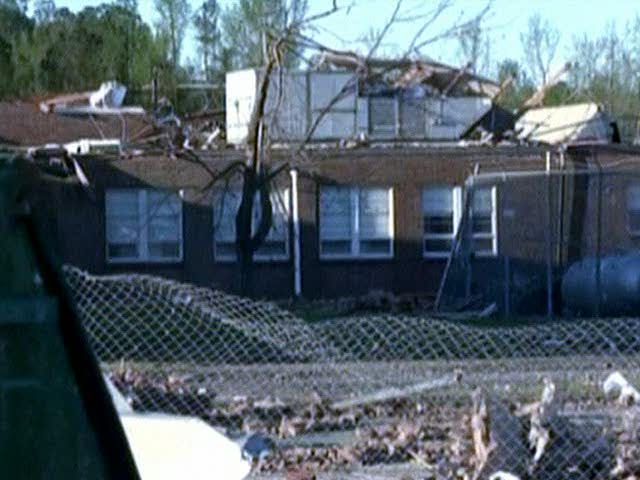 Three days of severe storms and tornadoes in the southern United States have killed at least 39 people.
more »
Three days of severe storms and tornadoes in the southern United States have killed at least 39 people.
more »
 Disagreements over the stalemated NATO military mission in Libya persist on the first day of the NATO foreign ministers' meeting in Berlin.
more »
Disagreements over the stalemated NATO military mission in Libya persist on the first day of the NATO foreign ministers' meeting in Berlin.
more »
 Tourists go head-to-head with locals in water fights as celebrates its New Year.
more »
Tourists go head-to-head with locals in water fights as celebrates its New Year.
more »
 Six thousand Lego lovers and a crane create the world's largest Lego tower in Sao Paulo.
more »
Six thousand Lego lovers and a crane create the world's largest Lego tower in Sao Paulo.
more »