The Information Age dawns, championed by President Assad_s son.
Published:
22 April 1999 y., Thursday
Thrice weekly, the 32-year-old Syrian businessman O. Ali taps into a Beirut-based Internet service provider to check his e-mail and surf the Net. Ali and his cyber-savvy friends have an unlikely ally in their bid to modernize Syria: Col. Bashar Hafez al-Assad, the 34-year-old son and unofficial successor of the republic_s president. Bashar, who was thrust into the role of heir apparent when his older brother, Basil, was killed in a 1994 car accident, has begun promoting his pet causes, computers and the Internet. Outwardly at least, the dawn of the Information Age has produced little real change in Syria. The government is still dominated by President Assad, who was re-elected to a fifth consecutive seven-year term in February. The long-ruling Baath party faces no real political opposition, and there is no independent press. But the regime_s stranglehold on information has begun to crack. Four years ago, fax machines were still banned. Then satellite TV dishes began to sprout (illegally) on the rooftops of wealthy Damascenes. Today, tens of thousands of households can tune in to MTV and Sky News as well as to a host of (non-Syrian) Arabic-language programs. The state-owned telecommunications company recently started taking applications for e-mail accounts after officials realized that hundreds of people had signed up with foreign-based Internet service providers.
Šaltinis:
Newsweek
Copying, publishing, announcing any information from the News.lt portal without written permission of News.lt editorial office is prohibited.
The most popular articles
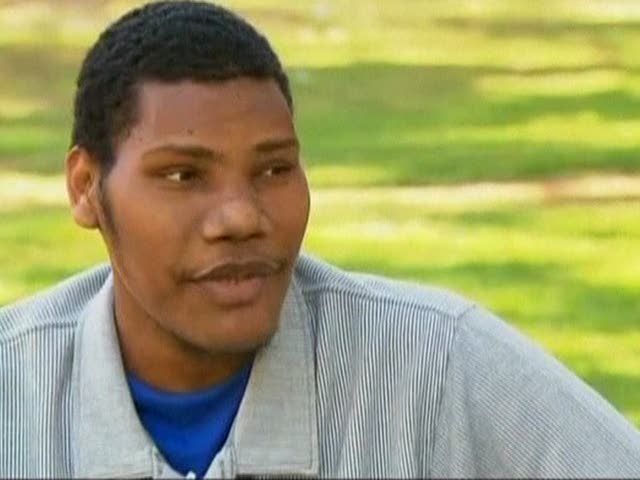 Guinness World Records officially declares that an Australian man has the world's largest feet.
more »
Guinness World Records officially declares that an Australian man has the world's largest feet.
more »
 It's a sniffer dog with a difference: a military Belgian Shepherd that has been trained to detect signs of prostate cancer in patients' urine. According to French scientists, the dog can do it far more accurately than any currently available scientific technique.
more »
It's a sniffer dog with a difference: a military Belgian Shepherd that has been trained to detect signs of prostate cancer in patients' urine. According to French scientists, the dog can do it far more accurately than any currently available scientific technique.
more »
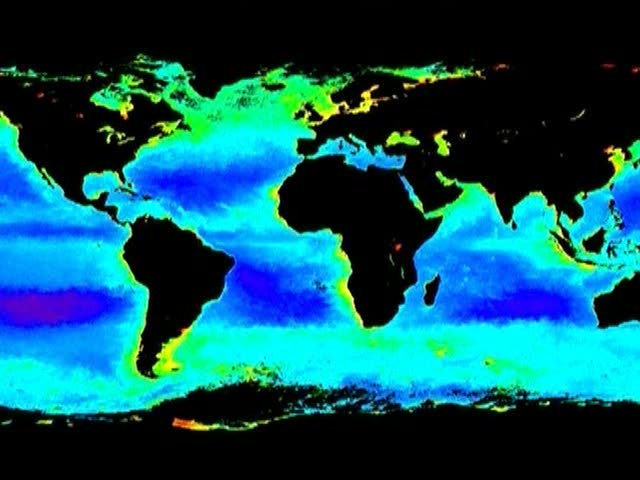 This week marks the beginning of hurricane season in the United States and scientists will be watching closely in the wake of extreme weather patterns that have devastated the Midwest. One of the questions they're trying to answer focuses on the impact of climate change and global warming.
more »
This week marks the beginning of hurricane season in the United States and scientists will be watching closely in the wake of extreme weather patterns that have devastated the Midwest. One of the questions they're trying to answer focuses on the impact of climate change and global warming.
more »
 Spanish cucumbers are being blame for an E.coli outbreak that killed 10 people in Germany and sickened hundreds.
more »
Spanish cucumbers are being blame for an E.coli outbreak that killed 10 people in Germany and sickened hundreds.
more »
 Protesters clash with police as pro Mladic rallies continue in the Serbian capital.
more »
Protesters clash with police as pro Mladic rallies continue in the Serbian capital.
more »
 Japan, Geiger counters, radiation leak, Fuji Electric
more »
Japan, Geiger counters, radiation leak, Fuji Electric
more »
 Chinese artist Qi Baishi's ink-wash work is auctioned for 65.4 million U.S. Dollars (425 million yuan) in Beijing, setting a new record for contemporary Chinese painting.
more »
Chinese artist Qi Baishi's ink-wash work is auctioned for 65.4 million U.S. Dollars (425 million yuan) in Beijing, setting a new record for contemporary Chinese painting.
more »
 Georgian police wearing full riot gear used water cannons and rubber bullets to disperse protesters in Tiblisi.
more »
Georgian police wearing full riot gear used water cannons and rubber bullets to disperse protesters in Tiblisi.
more »
 CT scanning has allowed scientists to identify and recreate in stunning three-dimensional detail, an ancient spider trapped in amber for 50 million years...
more »
CT scanning has allowed scientists to identify and recreate in stunning three-dimensional detail, an ancient spider trapped in amber for 50 million years...
more »
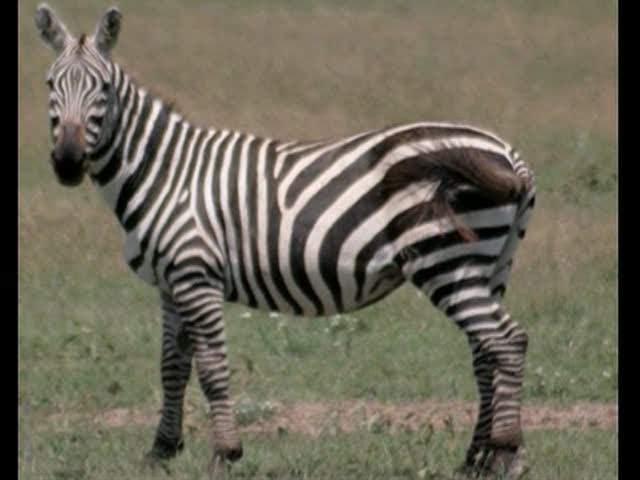 Researchers in Chicago have developed a new barcoding system that can identify and track zebras by their unique stripe patterns. The scientists say their computer program can also be modified to keep track of endangered species like tigers and some giraffe species.
more »
Researchers in Chicago have developed a new barcoding system that can identify and track zebras by their unique stripe patterns. The scientists say their computer program can also be modified to keep track of endangered species like tigers and some giraffe species.
more »