Leaders of the world's major industrialized nations, hoping to stem a growing backlash against globalization, pledged Sunday at their annual economic summit to do more to provide schooling, health care and food to the poorest nations.
Published:
24 July 2000 y., Monday
In a communique issued at the conclusion of their three-day summit, the leaders cited "unprecedented economic progress" by many world nations and agreed that more must be done to spread that prosperity to poorer nations. "The 21st century must be a century of prosperity for all," they said.
They said their countries must work harder to relieve the debt burden of developing nations. "We must for our part promote more responsible lending and borrowing practices to ensure that (poor countries) will not again be burdened by unsupportable
debt," the communique said.
German Chancellor Gerhard Schroeder, whose country agreed to restructure $4 billion of Russia's debt, suggested that wealthy nations hold back demands for poorer countries to pay off their loans. "It would be better to put the money in health and education systems in these countries," he told reporters.
The Okinawa meeting was the first "development summit" for the Group of Eight - leaders of the seven richest industrialized nations and Russia, and the last G-8
meeting for President Clinton. Clinton announced that the United States will send $300 million in surplus farm crops to provide school lunches in the developing world.
The eight countries set a goal of universal primary education for all the world's children by 2015, and gender equality in schools by 2005. Currently, 100 million children in developing nations are not in school.
They also vowed to reduce by the year 2010 the number of HIV-infected young people by 25 percent, tuberculosis deaths by 50 percent, and the burden of diseases associated with malaria by 50 percent.
Šaltinis:
AP Online
Copying, publishing, announcing any information from the News.lt portal without written permission of News.lt editorial office is prohibited.
The most popular articles
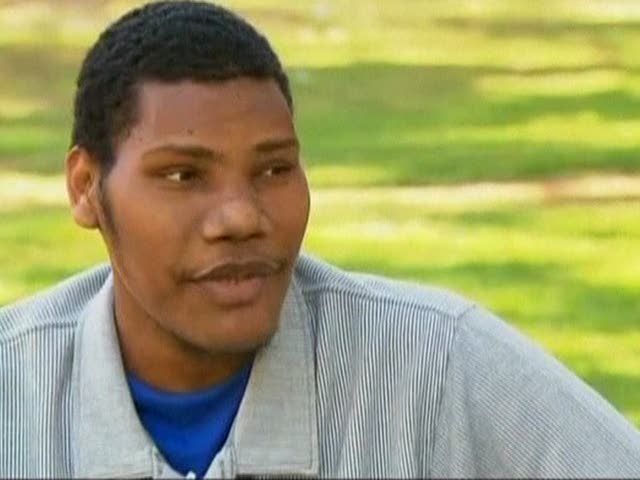 Guinness World Records officially declares that an Australian man has the world's largest feet.
more »
Guinness World Records officially declares that an Australian man has the world's largest feet.
more »
 It's a sniffer dog with a difference: a military Belgian Shepherd that has been trained to detect signs of prostate cancer in patients' urine. According to French scientists, the dog can do it far more accurately than any currently available scientific technique.
more »
It's a sniffer dog with a difference: a military Belgian Shepherd that has been trained to detect signs of prostate cancer in patients' urine. According to French scientists, the dog can do it far more accurately than any currently available scientific technique.
more »
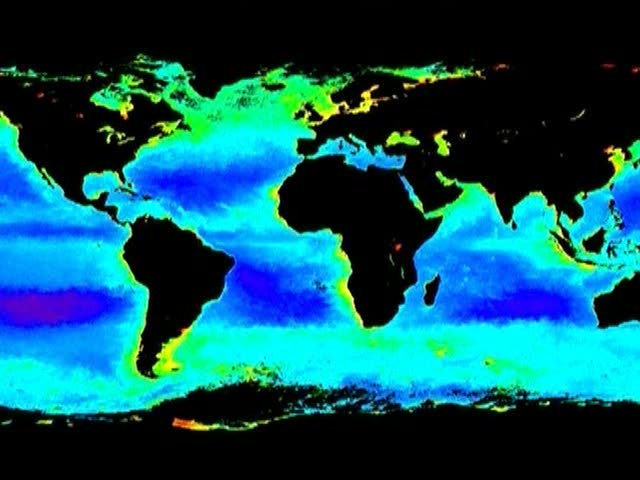 This week marks the beginning of hurricane season in the United States and scientists will be watching closely in the wake of extreme weather patterns that have devastated the Midwest. One of the questions they're trying to answer focuses on the impact of climate change and global warming.
more »
This week marks the beginning of hurricane season in the United States and scientists will be watching closely in the wake of extreme weather patterns that have devastated the Midwest. One of the questions they're trying to answer focuses on the impact of climate change and global warming.
more »
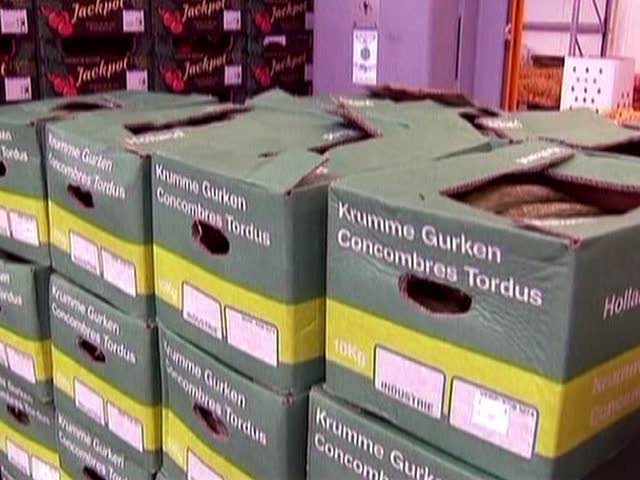 Spanish cucumbers are being blame for an E.coli outbreak that killed 10 people in Germany and sickened hundreds.
more »
Spanish cucumbers are being blame for an E.coli outbreak that killed 10 people in Germany and sickened hundreds.
more »
 Protesters clash with police as pro Mladic rallies continue in the Serbian capital.
more »
Protesters clash with police as pro Mladic rallies continue in the Serbian capital.
more »
 Japan, Geiger counters, radiation leak, Fuji Electric
more »
Japan, Geiger counters, radiation leak, Fuji Electric
more »
 Chinese artist Qi Baishi's ink-wash work is auctioned for 65.4 million U.S. Dollars (425 million yuan) in Beijing, setting a new record for contemporary Chinese painting.
more »
Chinese artist Qi Baishi's ink-wash work is auctioned for 65.4 million U.S. Dollars (425 million yuan) in Beijing, setting a new record for contemporary Chinese painting.
more »
 Georgian police wearing full riot gear used water cannons and rubber bullets to disperse protesters in Tiblisi.
more »
Georgian police wearing full riot gear used water cannons and rubber bullets to disperse protesters in Tiblisi.
more »
 CT scanning has allowed scientists to identify and recreate in stunning three-dimensional detail, an ancient spider trapped in amber for 50 million years...
more »
CT scanning has allowed scientists to identify and recreate in stunning three-dimensional detail, an ancient spider trapped in amber for 50 million years...
more »
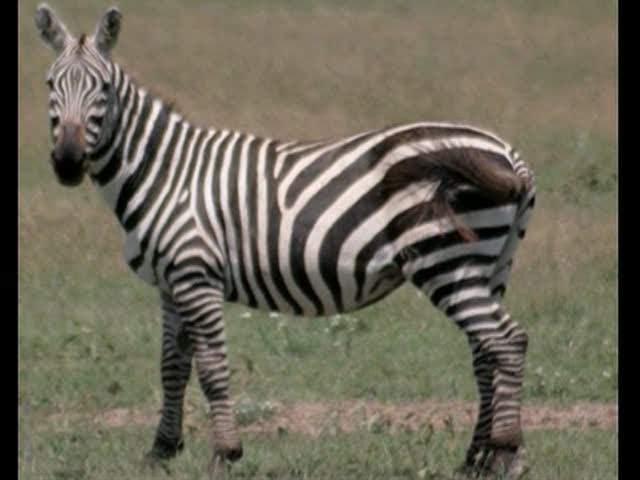 Researchers in Chicago have developed a new barcoding system that can identify and track zebras by their unique stripe patterns. The scientists say their computer program can also be modified to keep track of endangered species like tigers and some giraffe species.
more »
Researchers in Chicago have developed a new barcoding system that can identify and track zebras by their unique stripe patterns. The scientists say their computer program can also be modified to keep track of endangered species like tigers and some giraffe species.
more »