German Foreign Minister Joschka Fischer on Thursday delivered to Moscow fresh European Union concerns over human rights, democracy, and Chechnya
Published:
16 February 2004 y., Monday
German Foreign Minister Joschka Fischer on Thursday delivered to Moscow fresh European Union concerns over human rights, democracy, and Chechnya as the bloc prepares to toughen policy towards its giant neighbour.
Fischer met President Vladimir Putin and Foreign Minister Igor Ivanov two weeks before the foreign ministers of 25 current and future EU states are due to review relations with Russia.
On Monday, the EU executive commission issued a statement calling for "policy coherence" over Russia. It emphasised the EU's long-standing concerns over democracy and human rights in Russia, which have been somewhat muted in the past few years. "We talked intensively about the situation in Chechnya," Fischer told a joint news conference with Ivanov. I have pointed out our concern over issues related to observing human rights, transparency and the development of democracy at home."
The West has criticised Moscow for massive human rights violations in its military campaign against Chechen separatists.
Monday's EU statement appeared aimed at establishing clarity after Italian Prime Minister Silvio Berlusconi, as holder of the rotating EU presidency in November, praised Russia's Chechen policy in contradiction of executive Commission views.
The West is also concerned about the future of democracy in Russia, where a pro-Putin party dominates parliament and all major television channels are under Kremlin control. Putin faces no real competition in presidential polls due in March.
Ivanov appeared unruffled by Fischer's comments. "We believe, that if there are differences in positions, we should discuss them and look for mutually acceptable solutions rather than ignore them," he said.
Divergences between EU and Russia also include Moscow's failure to ratify the Kyoto Protocol on climate change and the need to extend the Partnership and Cooperation Agreement (PCA), which governs its trade with the EU, to all 10 acceding states.
Moscow has raised concerns that automatically extending the agreement to the 10 new countries joining the bloc, which are mostly former Moscow satellites, could harm its national interests.
Šaltinis:
gazeta.ru
Copying, publishing, announcing any information from the News.lt portal without written permission of News.lt editorial office is prohibited.
The most popular articles
 A candle lit vigil for the victims of the bombing and shooting incident over the weekend.
more »
A candle lit vigil for the victims of the bombing and shooting incident over the weekend.
more »
 Jennifer Boriss, a Firefox dev, went to the mall seeking test subjects to help improve the browser.
more »
Jennifer Boriss, a Firefox dev, went to the mall seeking test subjects to help improve the browser.
more »
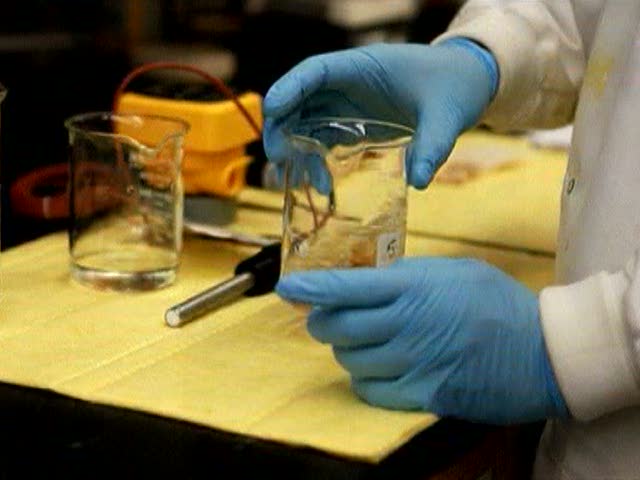 Researchers at North Carolina State University have created and eco-friendly super absorbent foam they say could revolutionise efforts to purify drinking water in developing countries and disaster-stricken areas.
more »
Researchers at North Carolina State University have created and eco-friendly super absorbent foam they say could revolutionise efforts to purify drinking water in developing countries and disaster-stricken areas.
more »
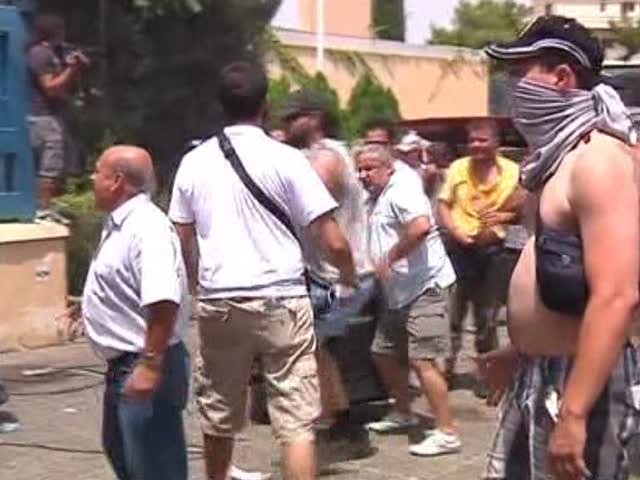 Protesting taxi drivers clash with riot police outside the transport ministry after government talks fail.
more »
Protesting taxi drivers clash with riot police outside the transport ministry after government talks fail.
more »
 Israeli student designs a low-cost solution for shoe addicts.
more »
Israeli student designs a low-cost solution for shoe addicts.
more »
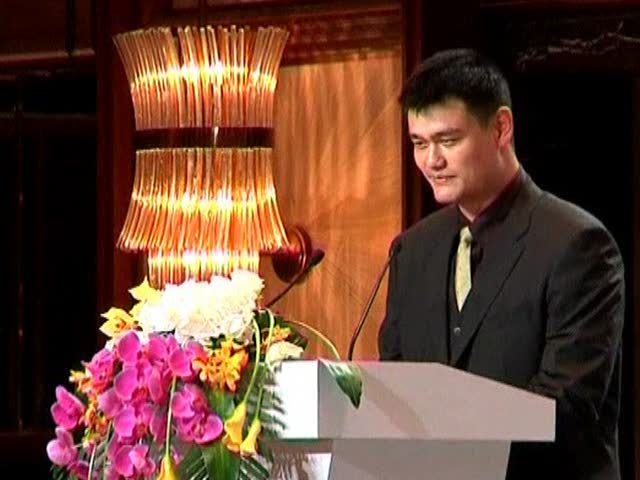 Chinese basketball player Yao Ming announces his retirement from the NBA.
more »
Chinese basketball player Yao Ming announces his retirement from the NBA.
more »
 Scientists in the UK have discovered the molecule that causes pain in sunburn and say further research could lead to treatments for other inflammatory conditions like arthritis and cystitis.
more »
Scientists in the UK have discovered the molecule that causes pain in sunburn and say further research could lead to treatments for other inflammatory conditions like arthritis and cystitis.
more »
 A travelling puppet theatre charms Lithuanian children as the horse-drawn show brings stories alive on a pop-up stage.
more »
A travelling puppet theatre charms Lithuanian children as the horse-drawn show brings stories alive on a pop-up stage.
more »
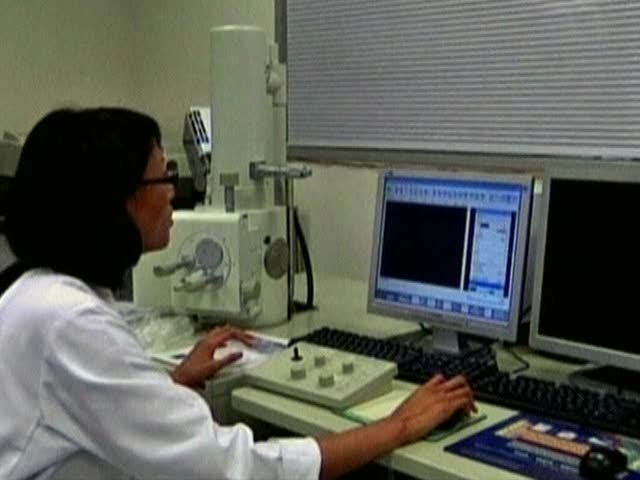 A Taiwanese textile company is using waste coffee grounds to make an environmentally friendly fabric that dries fast and controls odours.
more »
A Taiwanese textile company is using waste coffee grounds to make an environmentally friendly fabric that dries fast and controls odours.
more »
 After six months living a carbon-lean life in a specially built house in Stockholm, the Lindell family has returned home to reflect on the lessons learned...
more »
After six months living a carbon-lean life in a specially built house in Stockholm, the Lindell family has returned home to reflect on the lessons learned...
more »