Iran's relations with Russia have been gradually improving since the collapse of the Soviet Union, and they bode to become even warmer.
Published:
18 March 2001 y., Sunday
This week Iranian President Mohammad Khatami is in Russia, finding common ground with President Vladimir V. Putin in opposing growing U.S. influence in the energy-rich Caspian Sea region and signing deals--over strong U.S. objections--that will bring Iran access to Russian weapons and nuclear technology.
A secret 1995 agreement with Washington bound Russia from selling arms to Iran. Late last year Moscow pulled out of that accord. Now, an Iranian official says, Iran could be on track to buy up to $7 billion in Russian arms. Ignoring U.S. concerns, Moscow also plans to complete an $800-million nuclear power plant in Iran. The U.S. fear is that Iran's nuclear technology could be turned to weapons production. Iran is believed to be moving toward a nuclear capability and a missile delivery system.
Both presidents expressed displeasure with U.S. activities in the Caspian Sea region, an area of huge oil and gas reserves. Iran and Russia border the Caspian, as do Kazakhstan, Turkmenistan and Azerbaijan, formerly parts of the Soviet Union. Expanding energy production from these fields will require new transportation routes to world markets. For political and security reasons the newly independent states don't want to rely on Russia or Iran as their only export outlet.
Among alternative routes would be a U.S.-endorsed pipeline across Azerbaijan, Georgia and Turkey. American energy companies are already active in the Caspian region. Increased Caspian exports could reduce the world's overdependence on Middle Eastern suppliers. Caspian development would also probably boost U.S. influence in the area's newly independent states and help them resist political inroads by Russia and Iran. That prospect is one of the considerations working to bring Moscow and Tehran closer.
Šaltinis:
Los Angeles Times
Copying, publishing, announcing any information from the News.lt portal without written permission of News.lt editorial office is prohibited.
The most popular articles
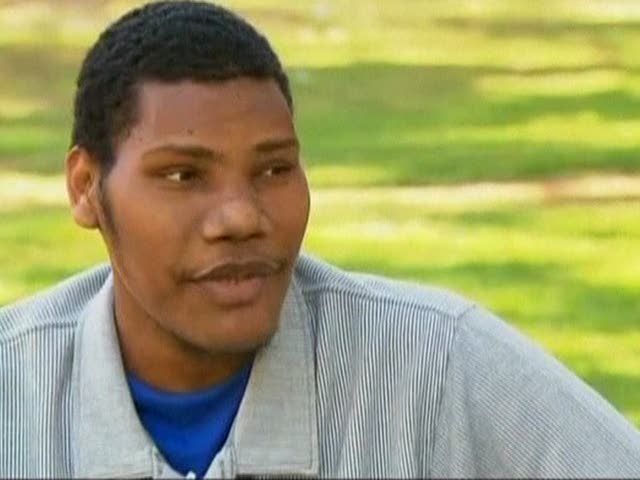 Guinness World Records officially declares that an Australian man has the world's largest feet.
more »
Guinness World Records officially declares that an Australian man has the world's largest feet.
more »
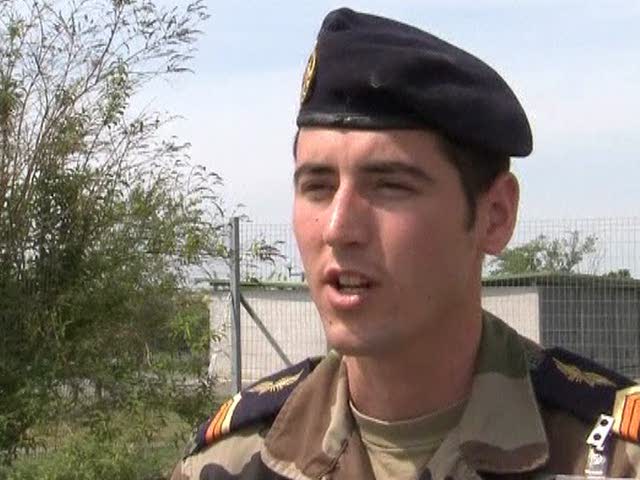 It's a sniffer dog with a difference: a military Belgian Shepherd that has been trained to detect signs of prostate cancer in patients' urine. According to French scientists, the dog can do it far more accurately than any currently available scientific technique.
more »
It's a sniffer dog with a difference: a military Belgian Shepherd that has been trained to detect signs of prostate cancer in patients' urine. According to French scientists, the dog can do it far more accurately than any currently available scientific technique.
more »
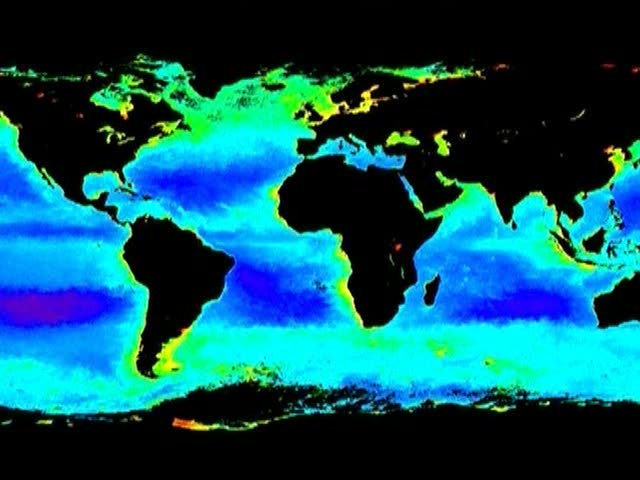 This week marks the beginning of hurricane season in the United States and scientists will be watching closely in the wake of extreme weather patterns that have devastated the Midwest. One of the questions they're trying to answer focuses on the impact of climate change and global warming.
more »
This week marks the beginning of hurricane season in the United States and scientists will be watching closely in the wake of extreme weather patterns that have devastated the Midwest. One of the questions they're trying to answer focuses on the impact of climate change and global warming.
more »
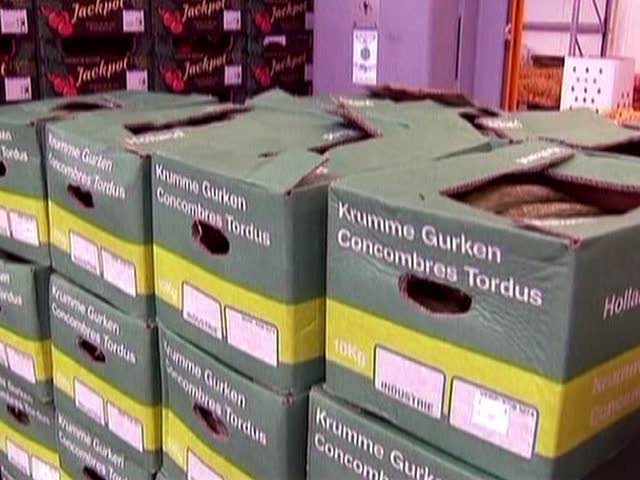 Spanish cucumbers are being blame for an E.coli outbreak that killed 10 people in Germany and sickened hundreds.
more »
Spanish cucumbers are being blame for an E.coli outbreak that killed 10 people in Germany and sickened hundreds.
more »
 Protesters clash with police as pro Mladic rallies continue in the Serbian capital.
more »
Protesters clash with police as pro Mladic rallies continue in the Serbian capital.
more »
 Japan, Geiger counters, radiation leak, Fuji Electric
more »
Japan, Geiger counters, radiation leak, Fuji Electric
more »
 Chinese artist Qi Baishi's ink-wash work is auctioned for 65.4 million U.S. Dollars (425 million yuan) in Beijing, setting a new record for contemporary Chinese painting.
more »
Chinese artist Qi Baishi's ink-wash work is auctioned for 65.4 million U.S. Dollars (425 million yuan) in Beijing, setting a new record for contemporary Chinese painting.
more »
 Georgian police wearing full riot gear used water cannons and rubber bullets to disperse protesters in Tiblisi.
more »
Georgian police wearing full riot gear used water cannons and rubber bullets to disperse protesters in Tiblisi.
more »
 CT scanning has allowed scientists to identify and recreate in stunning three-dimensional detail, an ancient spider trapped in amber for 50 million years...
more »
CT scanning has allowed scientists to identify and recreate in stunning three-dimensional detail, an ancient spider trapped in amber for 50 million years...
more »
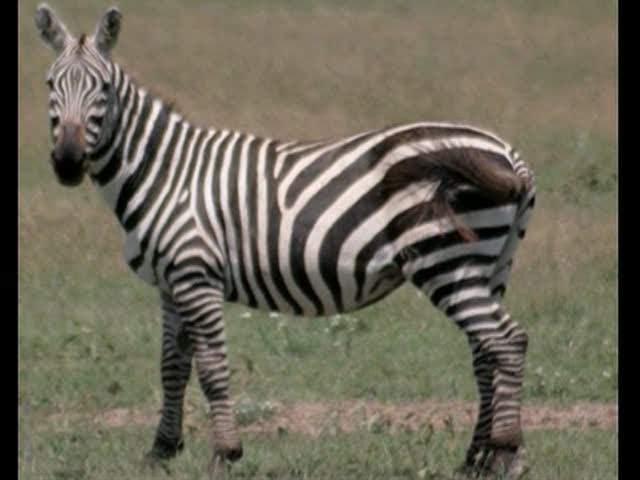 Researchers in Chicago have developed a new barcoding system that can identify and track zebras by their unique stripe patterns. The scientists say their computer program can also be modified to keep track of endangered species like tigers and some giraffe species.
more »
Researchers in Chicago have developed a new barcoding system that can identify and track zebras by their unique stripe patterns. The scientists say their computer program can also be modified to keep track of endangered species like tigers and some giraffe species.
more »