Reports of the redeployment of Russian nuclear arms in the Kaliningrad region along the Baltic Sea has rekindled fears in Poland of a nuclear menace along its borders.
Published:
6 January 2001 y., Saturday
Reports of the redeployment of Russian nuclear arms in the Kaliningrad region along the Baltic Sea has rekindled fears in Poland of a nuclear menace along its borders.
As communism collapsed both NATO and the Soviet Union withdrew forward-deployed nuclear weapons, leaving Poland in a comfortable non-nuclear zone in central Europe, but the country which joined NATO in 1999 now finds itself unsettled at the prospect of being on a front line.
Polish officials have called for international verification of a report in the Washington Times earlier this week that quoted U.S. intelligence sources as saying that Russia has moved nuclear weapons into the enclave.
Russia on Wednesday flatly denied putting nuclear weapons back into the Kaliningrad region.
Russia has a strong military presence in Kaliningrad -- sandwiched between Poland and Lithuania along the Baltic Sea coast -- and any deployment of nuclear arms there would be a serious cause for concern, the Polish defense minister said on Friday.
A U.S. Pentagon official confirmed late Wednesday that Russia is believed to have moved short-range nuclear-capable weapons into the enclave and said it was part of a "disturbing trend" that raises questions about Moscow's commitment to pledges it has made on arms control. The Polish daily Rzeczpospolita reported Friday the Polish government has obtained from NATO satellite photos confirming the deployment of missiles capable of carrying nuclear weapons.
The paper quoted a high-level NATO source as saying that "satellite photos have confirmed the deployment last June of new missiles in Kaliningrad, but we cannot be 100 percent certain they contain nuclear warheads."
Šaltinis:
Agence France Presse
Copying, publishing, announcing any information from the News.lt portal without written permission of News.lt editorial office is prohibited.
The most popular articles
The whale shark is the largest living fish species and is usually found in tropical and warm oceans. This gentle giant is not dangerous to humans but demand for its internal organs is putting it in grave danger.
more »
 Land shortages in China and environmental concerns have inspired innovative alternatives at the Asia Funeral Expo in Hong Kong.
more »
Land shortages in China and environmental concerns have inspired innovative alternatives at the Asia Funeral Expo in Hong Kong.
more »
 Britain's Queen Elizabeth delivers landmark speech of reconciliation during visit to Ireland but stops short of apology.
more »
Britain's Queen Elizabeth delivers landmark speech of reconciliation during visit to Ireland but stops short of apology.
more »
 French climber Alain Robert, known as "Spiderman" scales Turkey's tallest building.
more »
French climber Alain Robert, known as "Spiderman" scales Turkey's tallest building.
more »
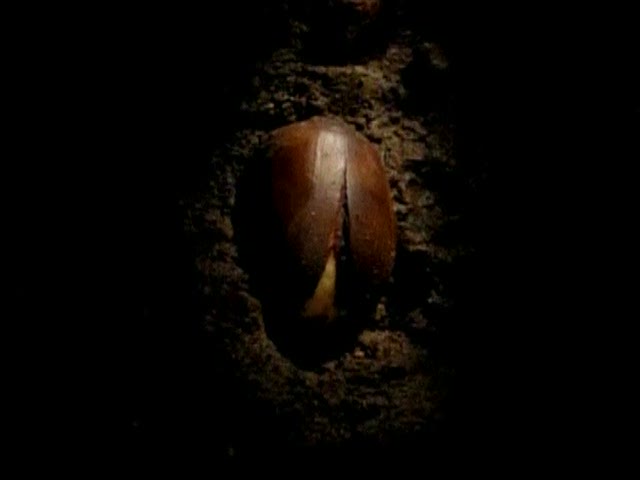 The growth of a tree takes place so slowly that, in real time, it's impossible to observe. Six years ago plant-lover and British film-maker Neil Bromhall decided to speed up the process with time-lapse photography...
more »
The growth of a tree takes place so slowly that, in real time, it's impossible to observe. Six years ago plant-lover and British film-maker Neil Bromhall decided to speed up the process with time-lapse photography...
more »
 Chinese artist Wang Jiang makes portraits of famous faces including U.S. President Barack Obama and Osama bin Laden from nothing but paper torn by hand.
more »
Chinese artist Wang Jiang makes portraits of famous faces including U.S. President Barack Obama and Osama bin Laden from nothing but paper torn by hand.
more »
 Residents of the southern Spanish town of Lorca stay in makeshift camps and shelters after an earthquake hits the town, destroying buildings and killing at least eight.
more »
Residents of the southern Spanish town of Lorca stay in makeshift camps and shelters after an earthquake hits the town, destroying buildings and killing at least eight.
more »
 The latest technological development in robots is the main focus of the Shanghai International Conference on Robotics and Automation in China.
more »
The latest technological development in robots is the main focus of the Shanghai International Conference on Robotics and Automation in China.
more »
 A rare earthquake rocked Lorca, an ancient town in southeastern Spain, on Wednesday causing houses to collapse, damaging historic churches and public buildings and killing at least 10 people.
more »
A rare earthquake rocked Lorca, an ancient town in southeastern Spain, on Wednesday causing houses to collapse, damaging historic churches and public buildings and killing at least 10 people.
more »
 A small factory in New York's Brooklyn is doing its best to keep the dying art of making vinyl records.
more »
A small factory in New York's Brooklyn is doing its best to keep the dying art of making vinyl records.
more »