Reports of the redeployment of Russian nuclear arms in the Kaliningrad region along the Baltic Sea has rekindled fears in Poland of a nuclear menace along its borders.
Published:
6 January 2001 y., Saturday
Reports of the redeployment of Russian nuclear arms in the Kaliningrad region along the Baltic Sea has rekindled fears in Poland of a nuclear menace along its borders.
As communism collapsed both NATO and the Soviet Union withdrew forward-deployed nuclear weapons, leaving Poland in a comfortable non-nuclear zone in central Europe, but the country which joined NATO in 1999 now finds itself unsettled at the prospect of being on a front line.
Polish officials have called for international verification of a report in the Washington Times earlier this week that quoted U.S. intelligence sources as saying that Russia has moved nuclear weapons into the enclave.
Russia on Wednesday flatly denied putting nuclear weapons back into the Kaliningrad region.
Russia has a strong military presence in Kaliningrad -- sandwiched between Poland and Lithuania along the Baltic Sea coast -- and any deployment of nuclear arms there would be a serious cause for concern, the Polish defense minister said on Friday.
A U.S. Pentagon official confirmed late Wednesday that Russia is believed to have moved short-range nuclear-capable weapons into the enclave and said it was part of a "disturbing trend" that raises questions about Moscow's commitment to pledges it has made on arms control. The Polish daily Rzeczpospolita reported Friday the Polish government has obtained from NATO satellite photos confirming the deployment of missiles capable of carrying nuclear weapons.
The paper quoted a high-level NATO source as saying that "satellite photos have confirmed the deployment last June of new missiles in Kaliningrad, but we cannot be 100 percent certain they contain nuclear warheads."
Šaltinis:
Agence France Presse
Copying, publishing, announcing any information from the News.lt portal without written permission of News.lt editorial office is prohibited.
The most popular articles
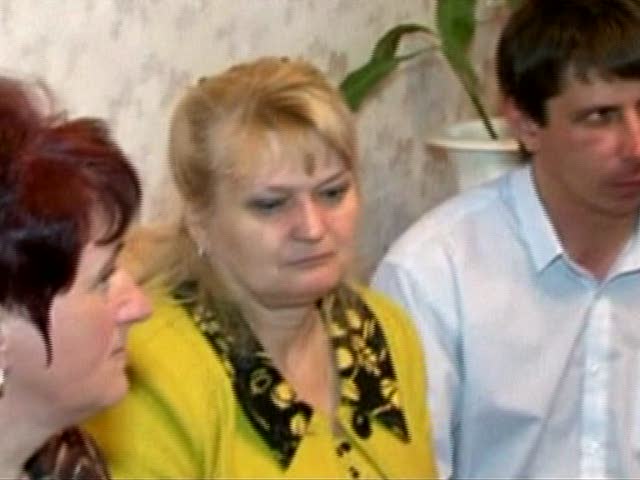 Twenty five years after the Chernobyl explosion, radiation contamination continues to haunt the survivors as it spreads to the next generation.
more »
Twenty five years after the Chernobyl explosion, radiation contamination continues to haunt the survivors as it spreads to the next generation.
more »
 A British man builds a model of the retired U.S. aircraft carrier the USS Intrepid in New York, made entirely out of Lego pieces.
more »
A British man builds a model of the retired U.S. aircraft carrier the USS Intrepid in New York, made entirely out of Lego pieces.
more »
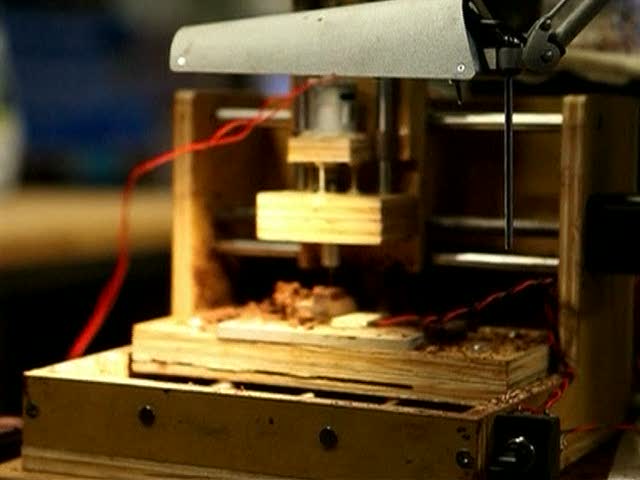 A researcher at MIT has used his technical skills to give chocolate bunnies and eggs a run for their money. David Carr built a new type of 3D printer that uses chocolate to give a new face to Easter treats.
more »
A researcher at MIT has used his technical skills to give chocolate bunnies and eggs a run for their money. David Carr built a new type of 3D printer that uses chocolate to give a new face to Easter treats.
more »
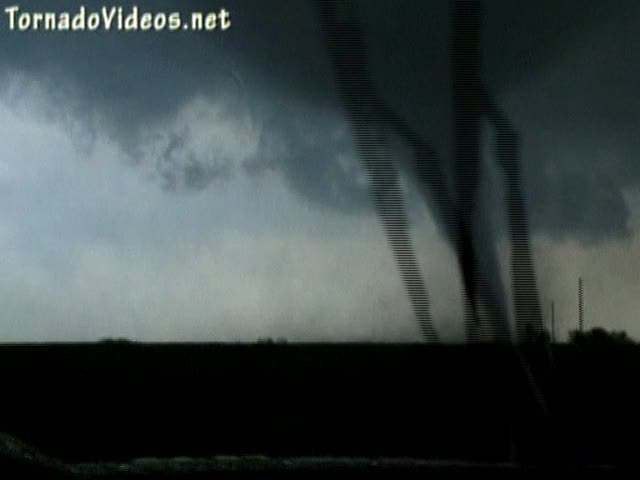 Storm chasers captured two tornadoes on tape as they touched down in the midwestern United States- continuing a recent onslaught of twisters that have killed dozens and destroyed swathes of land and property.
more »
Storm chasers captured two tornadoes on tape as they touched down in the midwestern United States- continuing a recent onslaught of twisters that have killed dozens and destroyed swathes of land and property.
more »
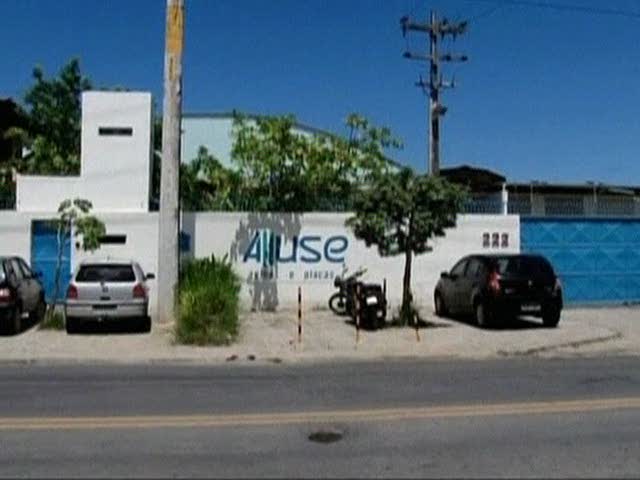 A small factory in Brazil's northeast is bringing smiles to the faces of environmentalists by turning used toothpaste tubes into furniture and roof tiles.
more »
A small factory in Brazil's northeast is bringing smiles to the faces of environmentalists by turning used toothpaste tubes into furniture and roof tiles.
more »
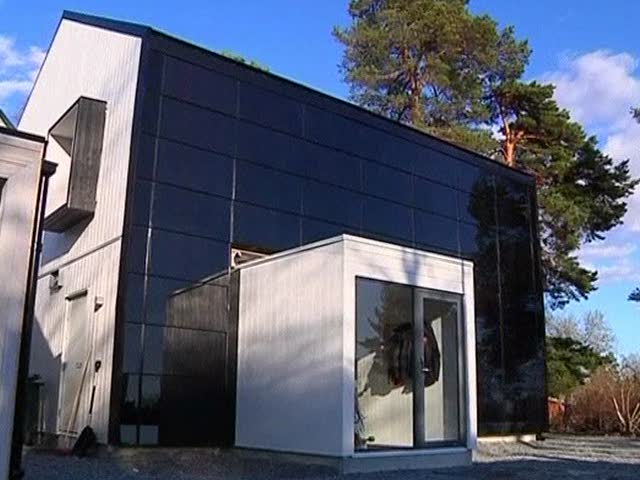 The Lindel family are attempting to live a low carbon life as part of an experiment to cut their carbon emissions from the annual average of seven tonnes per person to only one tonne.
more »
The Lindel family are attempting to live a low carbon life as part of an experiment to cut their carbon emissions from the annual average of seven tonnes per person to only one tonne.
more »
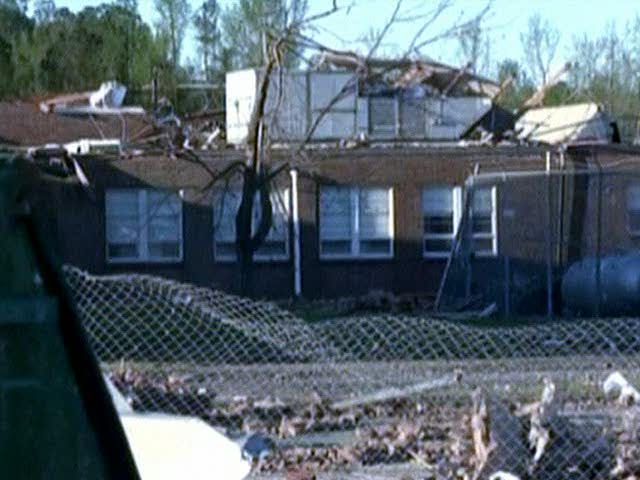 Three days of severe storms and tornadoes in the southern United States have killed at least 39 people.
more »
Three days of severe storms and tornadoes in the southern United States have killed at least 39 people.
more »
 Disagreements over the stalemated NATO military mission in Libya persist on the first day of the NATO foreign ministers' meeting in Berlin.
more »
Disagreements over the stalemated NATO military mission in Libya persist on the first day of the NATO foreign ministers' meeting in Berlin.
more »
 Tourists go head-to-head with locals in water fights as celebrates its New Year.
more »
Tourists go head-to-head with locals in water fights as celebrates its New Year.
more »
 Six thousand Lego lovers and a crane create the world's largest Lego tower in Sao Paulo.
more »
Six thousand Lego lovers and a crane create the world's largest Lego tower in Sao Paulo.
more »