Russia has removed all Soviet-built anti-aircraft missiles from its vast arms depots in a Moldova province
Published:
30 December 2003 y., Tuesday
Russia has removed all Soviet-built anti-aircraft missiles from its vast arms depots in a Moldova province to prevent them from falling into the hands of terrorists, officials said Monday.
The missiles were flown from Trans-Dniester Province to the Moscow on Saturday, the Defense Ministry said in a statement released Monday.
A spokesman for the ministry, who asked not be named, wouldn't say how many weapons were evacuated, but he said that no anti-aircraft missiles are left in Trans-Dniester.
The Defense Ministry said in the statement that it had decided to remove the weapons to "minimize the potential danger of terrorists seizing the portable and other air defense missiles and using them for terror goals."
About 2,000 Russian troops remain in Trans-Dniester, guarding giant Soviet-era ammunition depots and acting as peacekeepers. The Russian military was deployed in the separatist province to end a 1992 war that killed some 1,500 people and left Trans-Dniester de-facto independent. Russia had earlier promised the Organization for Security and Cooperation (news - web sites) in Europe that it would withdraw the troops and ammunition by the end of this year, but later said it would be difficult to fulfill this obligation. It has since put forward a plan to extend its troops' presence in the region.
Claus Neukirch, the OSCE spokesman in the Moldovan capital Chisinau, said Monday that the Russian authorities hadn't given OSCE officials authorization to inspect the cargo planes. The OSCE and other international agencies have repeatedly expressed concern about allegations that Trans-Dniester has evolved into a center for major weapon smuggling rings.
Šaltinis:
news.yahoo.com
Copying, publishing, announcing any information from the News.lt portal without written permission of News.lt editorial office is prohibited.
The most popular articles
The whale shark is the largest living fish species and is usually found in tropical and warm oceans. This gentle giant is not dangerous to humans but demand for its internal organs is putting it in grave danger.
more »
 Land shortages in China and environmental concerns have inspired innovative alternatives at the Asia Funeral Expo in Hong Kong.
more »
Land shortages in China and environmental concerns have inspired innovative alternatives at the Asia Funeral Expo in Hong Kong.
more »
 Britain's Queen Elizabeth delivers landmark speech of reconciliation during visit to Ireland but stops short of apology.
more »
Britain's Queen Elizabeth delivers landmark speech of reconciliation during visit to Ireland but stops short of apology.
more »
 French climber Alain Robert, known as "Spiderman" scales Turkey's tallest building.
more »
French climber Alain Robert, known as "Spiderman" scales Turkey's tallest building.
more »
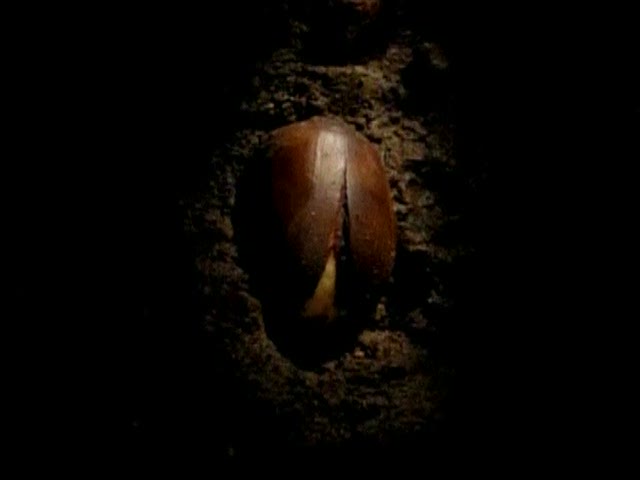 The growth of a tree takes place so slowly that, in real time, it's impossible to observe. Six years ago plant-lover and British film-maker Neil Bromhall decided to speed up the process with time-lapse photography...
more »
The growth of a tree takes place so slowly that, in real time, it's impossible to observe. Six years ago plant-lover and British film-maker Neil Bromhall decided to speed up the process with time-lapse photography...
more »
 Chinese artist Wang Jiang makes portraits of famous faces including U.S. President Barack Obama and Osama bin Laden from nothing but paper torn by hand.
more »
Chinese artist Wang Jiang makes portraits of famous faces including U.S. President Barack Obama and Osama bin Laden from nothing but paper torn by hand.
more »
 Residents of the southern Spanish town of Lorca stay in makeshift camps and shelters after an earthquake hits the town, destroying buildings and killing at least eight.
more »
Residents of the southern Spanish town of Lorca stay in makeshift camps and shelters after an earthquake hits the town, destroying buildings and killing at least eight.
more »
 The latest technological development in robots is the main focus of the Shanghai International Conference on Robotics and Automation in China.
more »
The latest technological development in robots is the main focus of the Shanghai International Conference on Robotics and Automation in China.
more »
 A rare earthquake rocked Lorca, an ancient town in southeastern Spain, on Wednesday causing houses to collapse, damaging historic churches and public buildings and killing at least 10 people.
more »
A rare earthquake rocked Lorca, an ancient town in southeastern Spain, on Wednesday causing houses to collapse, damaging historic churches and public buildings and killing at least 10 people.
more »
 A small factory in New York's Brooklyn is doing its best to keep the dying art of making vinyl records.
more »
A small factory in New York's Brooklyn is doing its best to keep the dying art of making vinyl records.
more »