Russian President Vladimir Putin is prepared to renounce a notorious 1939 pact between Nazi Germany and the Soviet Union that divided up much of eastern Europe between the two powers, Estonia's president said Thursday
Published:
21 January 2005 y., Friday
Russian President Vladimir Putin is prepared to renounce a notorious 1939 pact between Nazi Germany and the Soviet Union that divided up much of eastern Europe between the two powers, Estonia's president said Thursday.
Speaking on Estonian national broadcaster Eesti Raadio after meeting at the Kremlin with Putin, President Arnold Ruutel said the Russian president had told him he would renounce the 1939 Molotov-Ribbentrop pact.
"He said that Russia as the legal successor of the Soviet Union supports annulling the pact and considers this the right thing to do," Ruutel said. "I believe it's very important for us and the Russian society to note that Russia has done this."
A statement released by the Kremlin said the two leaders discussed the May celebrations in Moscow to mark the 60th anniversary of the Nazi defeat in World War II, but made no mention of the pact.
Kremlin spokespeople refused to comment.
The 1939 nonaggression pact named for Nazi Foreign Minister Joachim von Ribbentrop and Soviet Foreign Minister Vyacheslav Molotov was signed in secret and carved much of Eastern Europe up between the two countries, including the Baltic countries of Estonia, Latvia, and Lithuania, which were placed under the Soviet sphere of control.
Šaltinis:
cnn.com
Copying, publishing, announcing any information from the News.lt portal without written permission of News.lt editorial office is prohibited.
The most popular articles
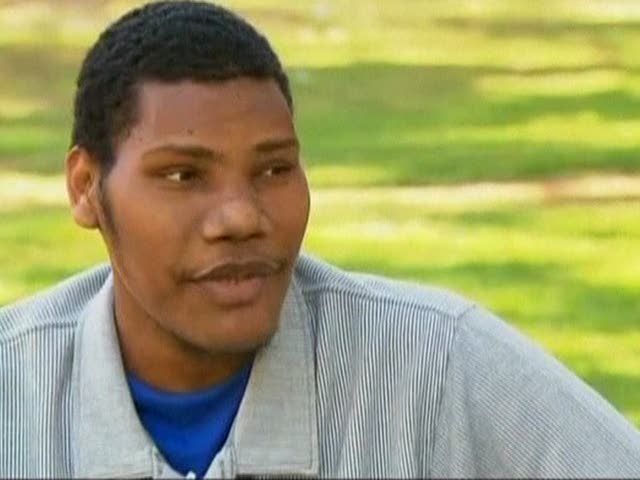 Guinness World Records officially declares that an Australian man has the world's largest feet.
more »
Guinness World Records officially declares that an Australian man has the world's largest feet.
more »
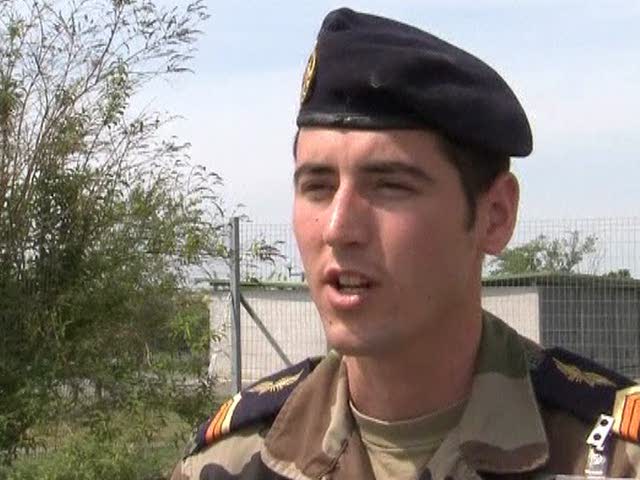 It's a sniffer dog with a difference: a military Belgian Shepherd that has been trained to detect signs of prostate cancer in patients' urine. According to French scientists, the dog can do it far more accurately than any currently available scientific technique.
more »
It's a sniffer dog with a difference: a military Belgian Shepherd that has been trained to detect signs of prostate cancer in patients' urine. According to French scientists, the dog can do it far more accurately than any currently available scientific technique.
more »
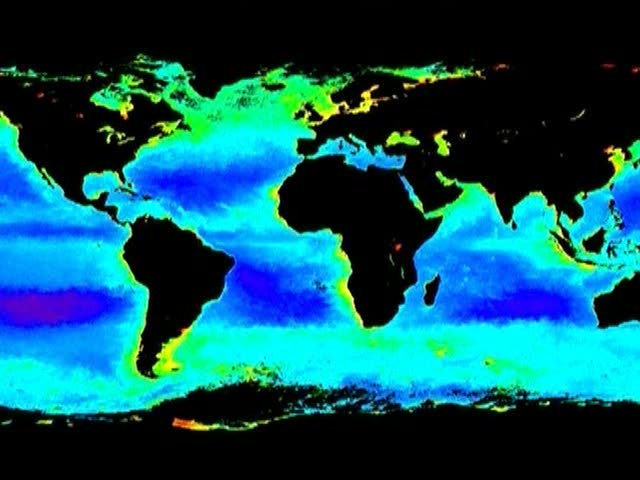 This week marks the beginning of hurricane season in the United States and scientists will be watching closely in the wake of extreme weather patterns that have devastated the Midwest. One of the questions they're trying to answer focuses on the impact of climate change and global warming.
more »
This week marks the beginning of hurricane season in the United States and scientists will be watching closely in the wake of extreme weather patterns that have devastated the Midwest. One of the questions they're trying to answer focuses on the impact of climate change and global warming.
more »
 Spanish cucumbers are being blame for an E.coli outbreak that killed 10 people in Germany and sickened hundreds.
more »
Spanish cucumbers are being blame for an E.coli outbreak that killed 10 people in Germany and sickened hundreds.
more »
 Protesters clash with police as pro Mladic rallies continue in the Serbian capital.
more »
Protesters clash with police as pro Mladic rallies continue in the Serbian capital.
more »
 Japan, Geiger counters, radiation leak, Fuji Electric
more »
Japan, Geiger counters, radiation leak, Fuji Electric
more »
 Chinese artist Qi Baishi's ink-wash work is auctioned for 65.4 million U.S. Dollars (425 million yuan) in Beijing, setting a new record for contemporary Chinese painting.
more »
Chinese artist Qi Baishi's ink-wash work is auctioned for 65.4 million U.S. Dollars (425 million yuan) in Beijing, setting a new record for contemporary Chinese painting.
more »
 Georgian police wearing full riot gear used water cannons and rubber bullets to disperse protesters in Tiblisi.
more »
Georgian police wearing full riot gear used water cannons and rubber bullets to disperse protesters in Tiblisi.
more »
 CT scanning has allowed scientists to identify and recreate in stunning three-dimensional detail, an ancient spider trapped in amber for 50 million years...
more »
CT scanning has allowed scientists to identify and recreate in stunning three-dimensional detail, an ancient spider trapped in amber for 50 million years...
more »
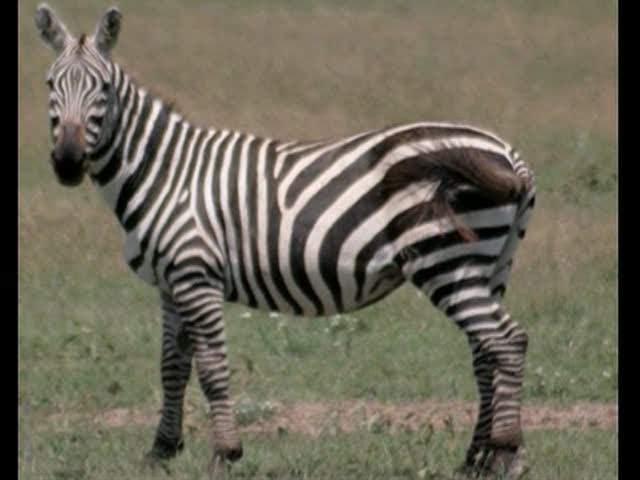 Researchers in Chicago have developed a new barcoding system that can identify and track zebras by their unique stripe patterns. The scientists say their computer program can also be modified to keep track of endangered species like tigers and some giraffe species.
more »
Researchers in Chicago have developed a new barcoding system that can identify and track zebras by their unique stripe patterns. The scientists say their computer program can also be modified to keep track of endangered species like tigers and some giraffe species.
more »