Under the provisions of an anti-terror law, the United States is cutting military aid to countries that back the International Criminal Court and are unwilling to grant immunity to Americans
Published:
3 July 2003 y., Thursday
Making good on its pledge to penalize countries that have signed up for the International Criminal Court but have failed to sign bilateral agreements giving Americans immunity, the United States said Tuesday it would cut military aid and training to at least 35 countries next year.
Among the countries hit by the decision are six eastern European states slated to join NATO next year including Bulgaria, Estonia, Latvia, Lithuania, Slovakia, Slovenia. All have refused to support U.S. demands that American citizens be given immunity from the court.
The deadline for concluding bilateral agreements with the U.S. ran out on Tuesday. State Department spokesman Richard Boucher said the U.S. would cut aid to the countries in an effort to force them into agreements.
"We're not attempting to infringe upon the rights of countries that have decided to sign and implement the treaty involving the International Criminal Court and we ask that our right and our decision, our sovereignty in deciding not to be a party to that treaty, is similarly respected," Boucher told journalists, explaining the Bush administration's position.
The State Department said the cuts in military aid would not affect the countries until the next U.S. budget goes into effect in September. For the months between September and December, a total of $47.6 million is expected to be withheld.
The American Servicemembers' Protection Act recently passed by Congress requires that military aid be cut to all countries that refuse to support the immunity of Americans from prosecution by the new court. However, the State Department said it would not cut aid to current NATO members and other close U.S. allies. U.S. President George W. Bush also issued waivers for 22 other countries that had signed but not yet ratified agreements.
To date, 50 countries have signed bilateral agreements with the U.S. that promise not to extradite Americans if they are indicted by the International Criminal Court.
Šaltinis:
dw-world.de
Copying, publishing, announcing any information from the News.lt portal without written permission of News.lt editorial office is prohibited.
The most popular articles
 Guinness World Records officially declares that an Australian man has the world's largest feet.
more »
Guinness World Records officially declares that an Australian man has the world's largest feet.
more »
 It's a sniffer dog with a difference: a military Belgian Shepherd that has been trained to detect signs of prostate cancer in patients' urine. According to French scientists, the dog can do it far more accurately than any currently available scientific technique.
more »
It's a sniffer dog with a difference: a military Belgian Shepherd that has been trained to detect signs of prostate cancer in patients' urine. According to French scientists, the dog can do it far more accurately than any currently available scientific technique.
more »
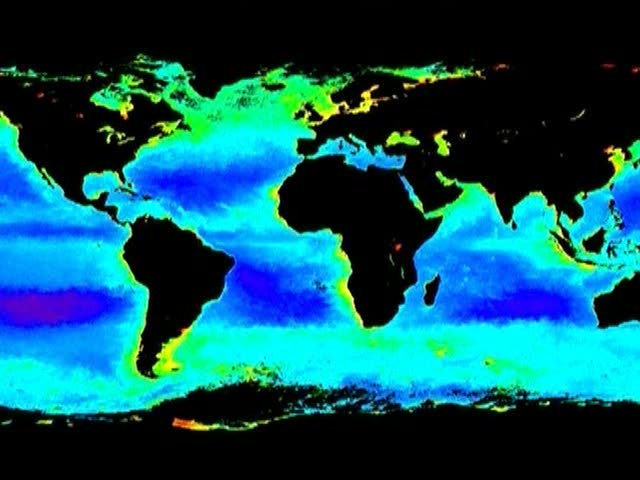 This week marks the beginning of hurricane season in the United States and scientists will be watching closely in the wake of extreme weather patterns that have devastated the Midwest. One of the questions they're trying to answer focuses on the impact of climate change and global warming.
more »
This week marks the beginning of hurricane season in the United States and scientists will be watching closely in the wake of extreme weather patterns that have devastated the Midwest. One of the questions they're trying to answer focuses on the impact of climate change and global warming.
more »
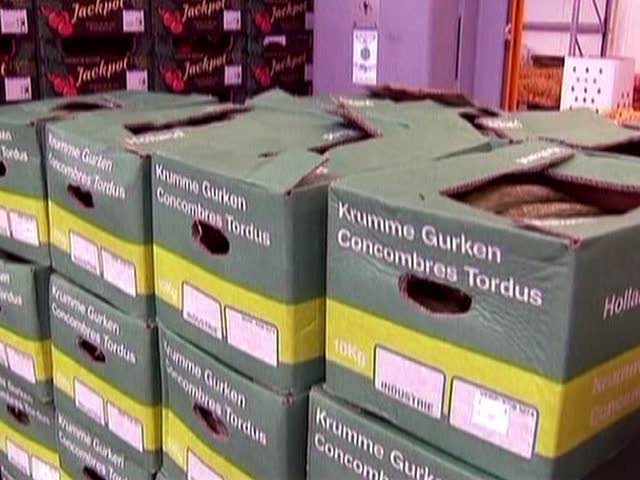 Spanish cucumbers are being blame for an E.coli outbreak that killed 10 people in Germany and sickened hundreds.
more »
Spanish cucumbers are being blame for an E.coli outbreak that killed 10 people in Germany and sickened hundreds.
more »
 Protesters clash with police as pro Mladic rallies continue in the Serbian capital.
more »
Protesters clash with police as pro Mladic rallies continue in the Serbian capital.
more »
 Japan, Geiger counters, radiation leak, Fuji Electric
more »
Japan, Geiger counters, radiation leak, Fuji Electric
more »
 Chinese artist Qi Baishi's ink-wash work is auctioned for 65.4 million U.S. Dollars (425 million yuan) in Beijing, setting a new record for contemporary Chinese painting.
more »
Chinese artist Qi Baishi's ink-wash work is auctioned for 65.4 million U.S. Dollars (425 million yuan) in Beijing, setting a new record for contemporary Chinese painting.
more »
 Georgian police wearing full riot gear used water cannons and rubber bullets to disperse protesters in Tiblisi.
more »
Georgian police wearing full riot gear used water cannons and rubber bullets to disperse protesters in Tiblisi.
more »
 CT scanning has allowed scientists to identify and recreate in stunning three-dimensional detail, an ancient spider trapped in amber for 50 million years...
more »
CT scanning has allowed scientists to identify and recreate in stunning three-dimensional detail, an ancient spider trapped in amber for 50 million years...
more »
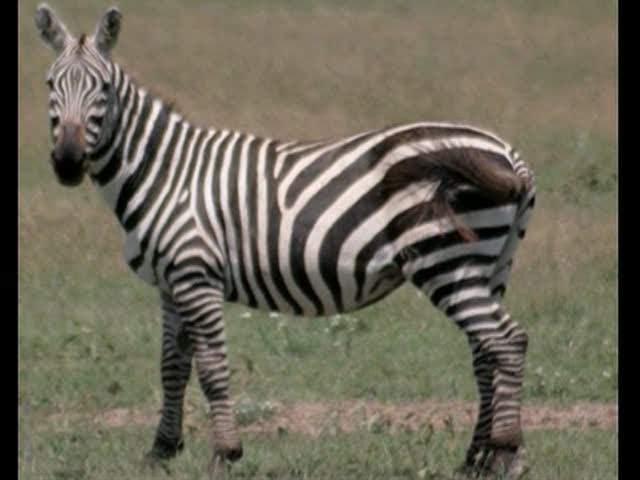 Researchers in Chicago have developed a new barcoding system that can identify and track zebras by their unique stripe patterns. The scientists say their computer program can also be modified to keep track of endangered species like tigers and some giraffe species.
more »
Researchers in Chicago have developed a new barcoding system that can identify and track zebras by their unique stripe patterns. The scientists say their computer program can also be modified to keep track of endangered species like tigers and some giraffe species.
more »