Pentagon wants to avoid misunderstandings over nuclear weapons related to millennium bug.
Published:
23 July 1999 y., Friday
The United States has again asked Russia to join in minimizing the risk of a missile-launch misunderstanding at the height of Year 2000 computer uncertainties, the U.S. Defense Department said Tuesday. Moscow has not yet replied to the latest U.S. overture, said a Pentagon spokesman. At issue is a proposed temporary "early warning" center that would keep missile-launching commanders constantly aware of what the other side was seeing and doing during the potentially troublesome date rollover. Simulations have shown that older computers and microchips could crash or malfunction by misreading the year 2000 as 1900, the result of an old programming shortcut based on a two-digit date field. A facility designed to be shared with Russia to head off any false alerts has already been set up by the United States at Peterson Air Force Base, near Colorado Springs, Colo. President Clinton and Russian President Boris Yeltsin set the project in motion when they met in Moscow last September as part of a post-Cold War plan to share early warning data about long-range missile launches. Before the bombing of Serbia drove U.S.-Russian ties to their lowest ebb of the post-Cold War period, the United States and Russia had been talking regularly about 2000-related computer issues. Pentagon officials say they are fully confident, based on extensive testing, that critical systems in the U.S. nuclear chain of command will work flawlessly during the date change. They also say they see virtually no possibility of accidental launches because humans must make final decisions in both countries.
Šaltinis:
Internet
Copying, publishing, announcing any information from the News.lt portal without written permission of News.lt editorial office is prohibited.
The most popular articles
 Twenty five years after the Chernobyl explosion, radiation contamination continues to haunt the survivors as it spreads to the next generation.
more »
Twenty five years after the Chernobyl explosion, radiation contamination continues to haunt the survivors as it spreads to the next generation.
more »
 A British man builds a model of the retired U.S. aircraft carrier the USS Intrepid in New York, made entirely out of Lego pieces.
more »
A British man builds a model of the retired U.S. aircraft carrier the USS Intrepid in New York, made entirely out of Lego pieces.
more »
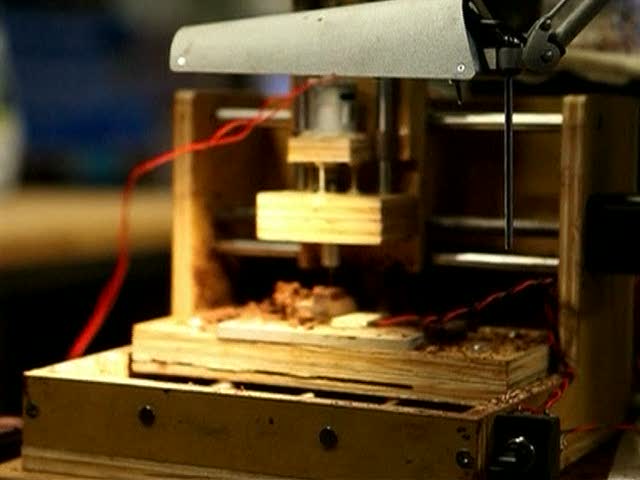 A researcher at MIT has used his technical skills to give chocolate bunnies and eggs a run for their money. David Carr built a new type of 3D printer that uses chocolate to give a new face to Easter treats.
more »
A researcher at MIT has used his technical skills to give chocolate bunnies and eggs a run for their money. David Carr built a new type of 3D printer that uses chocolate to give a new face to Easter treats.
more »
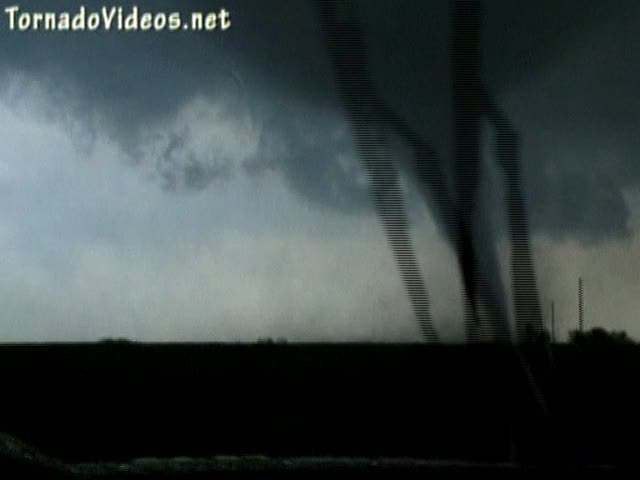 Storm chasers captured two tornadoes on tape as they touched down in the midwestern United States- continuing a recent onslaught of twisters that have killed dozens and destroyed swathes of land and property.
more »
Storm chasers captured two tornadoes on tape as they touched down in the midwestern United States- continuing a recent onslaught of twisters that have killed dozens and destroyed swathes of land and property.
more »
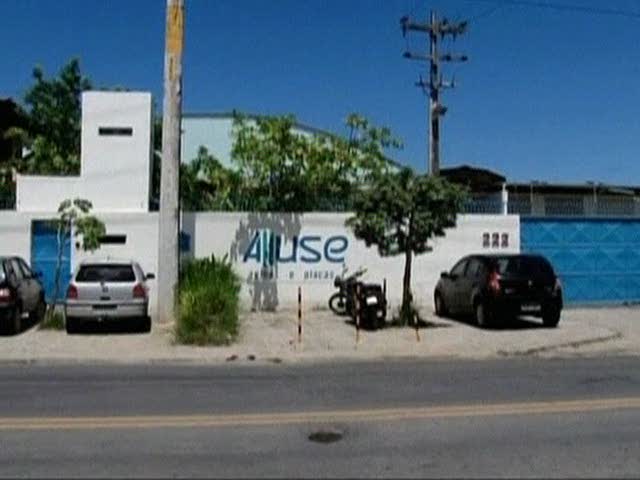 A small factory in Brazil's northeast is bringing smiles to the faces of environmentalists by turning used toothpaste tubes into furniture and roof tiles.
more »
A small factory in Brazil's northeast is bringing smiles to the faces of environmentalists by turning used toothpaste tubes into furniture and roof tiles.
more »
 The Lindel family are attempting to live a low carbon life as part of an experiment to cut their carbon emissions from the annual average of seven tonnes per person to only one tonne.
more »
The Lindel family are attempting to live a low carbon life as part of an experiment to cut their carbon emissions from the annual average of seven tonnes per person to only one tonne.
more »
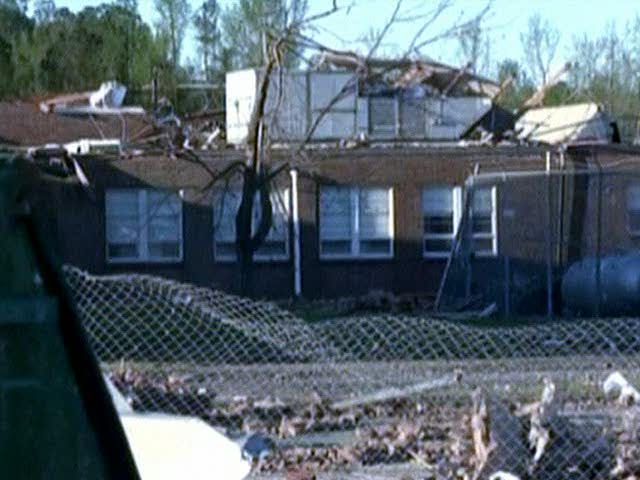 Three days of severe storms and tornadoes in the southern United States have killed at least 39 people.
more »
Three days of severe storms and tornadoes in the southern United States have killed at least 39 people.
more »
 Disagreements over the stalemated NATO military mission in Libya persist on the first day of the NATO foreign ministers' meeting in Berlin.
more »
Disagreements over the stalemated NATO military mission in Libya persist on the first day of the NATO foreign ministers' meeting in Berlin.
more »
 Tourists go head-to-head with locals in water fights as celebrates its New Year.
more »
Tourists go head-to-head with locals in water fights as celebrates its New Year.
more »
 Six thousand Lego lovers and a crane create the world's largest Lego tower in Sao Paulo.
more »
Six thousand Lego lovers and a crane create the world's largest Lego tower in Sao Paulo.
more »