The Organization for Security and Cooperation in Europe said on November 23 that it has fulfilled its mission in Estonia and now wants to close its doors after an eight-year presence here.
Published:
30 November 2001 y., Friday
The move was seen by many Estonians as final confirmation of its pro-West, democratic credentials.
Concerns raised in Russia about Estonia's Russian minority led to an OCSE office being set up two years after the Soviet occupation ended in 1991--though some Estonians grumbled the OSCE presence was politically motivated, unnecessary and an affront.
But Tallinn-based officials of the leading human rights oversight group said a language requirement for candidates running for elected office had been its last major bone of contention. Estonia's parliament canceled that provision a day before, on November 21.
Harri Tiido, deputy undersecretary at Estonia's Foreign Ministry, welcomed the OSCE moves to close its office, adding that "we've done all we've been asked to do and there is nothing else the OSCE has asked—so their mandate's fulfilled"
Russia expressed particular anger at Estonian language laws—which it argued disenfranchise Russian-speakers, mostly ethnic Russians who moved here during the Soviet occupation and now make up 40 percent of the 1.4 million population. The issue soured bilateral relations.
Estonia said its language laws met international norms and were meant to counteract five decades of repressive Soviet policies which often favored Russian over native Estonian, a vowel-laden language closely related to Finnish and spoken by barely one million people.
But over the years Estonia soften the laws, culminating in the cancellation of the rule that those running for office be able to speak Estonian. Critics said it discriminated against Russian speakers—most of whom speak little or no Estonian.
Šaltinis:
balticsww.com
Copying, publishing, announcing any information from the News.lt portal without written permission of News.lt editorial office is prohibited.
The most popular articles
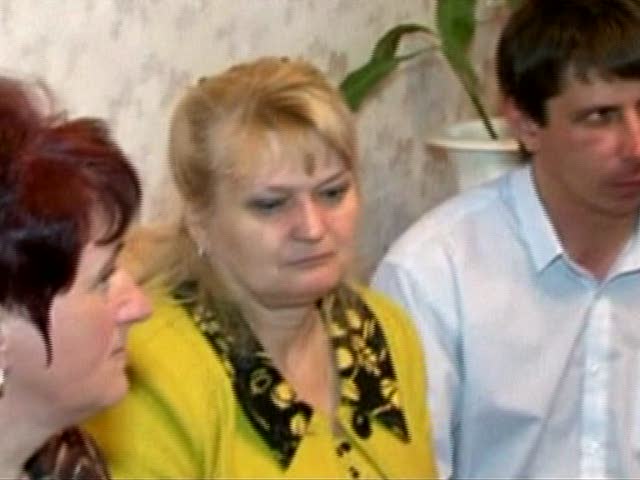 Twenty five years after the Chernobyl explosion, radiation contamination continues to haunt the survivors as it spreads to the next generation.
more »
Twenty five years after the Chernobyl explosion, radiation contamination continues to haunt the survivors as it spreads to the next generation.
more »
 A British man builds a model of the retired U.S. aircraft carrier the USS Intrepid in New York, made entirely out of Lego pieces.
more »
A British man builds a model of the retired U.S. aircraft carrier the USS Intrepid in New York, made entirely out of Lego pieces.
more »
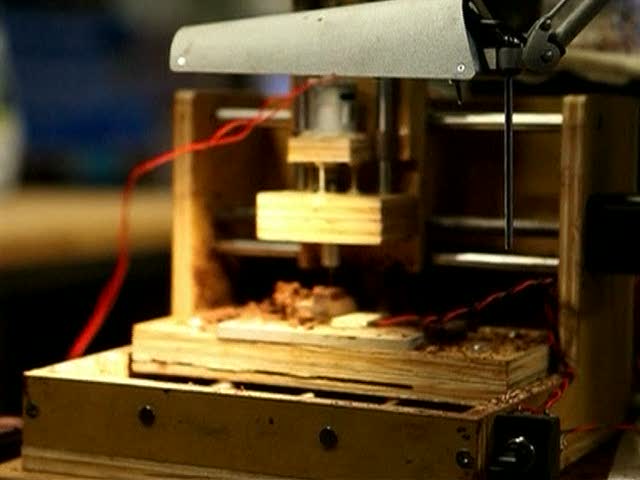 A researcher at MIT has used his technical skills to give chocolate bunnies and eggs a run for their money. David Carr built a new type of 3D printer that uses chocolate to give a new face to Easter treats.
more »
A researcher at MIT has used his technical skills to give chocolate bunnies and eggs a run for their money. David Carr built a new type of 3D printer that uses chocolate to give a new face to Easter treats.
more »
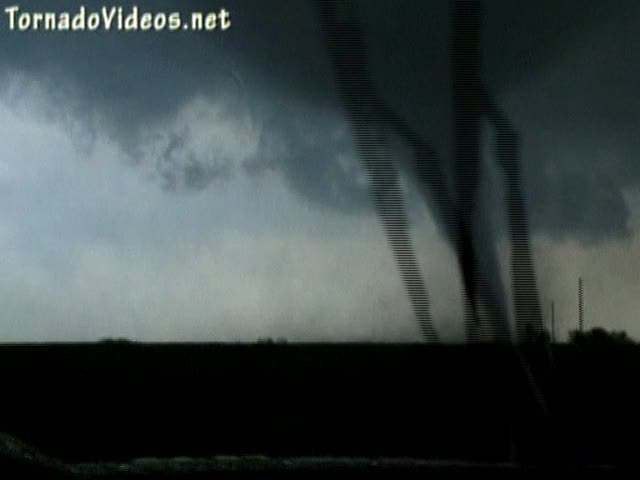 Storm chasers captured two tornadoes on tape as they touched down in the midwestern United States- continuing a recent onslaught of twisters that have killed dozens and destroyed swathes of land and property.
more »
Storm chasers captured two tornadoes on tape as they touched down in the midwestern United States- continuing a recent onslaught of twisters that have killed dozens and destroyed swathes of land and property.
more »
 A small factory in Brazil's northeast is bringing smiles to the faces of environmentalists by turning used toothpaste tubes into furniture and roof tiles.
more »
A small factory in Brazil's northeast is bringing smiles to the faces of environmentalists by turning used toothpaste tubes into furniture and roof tiles.
more »
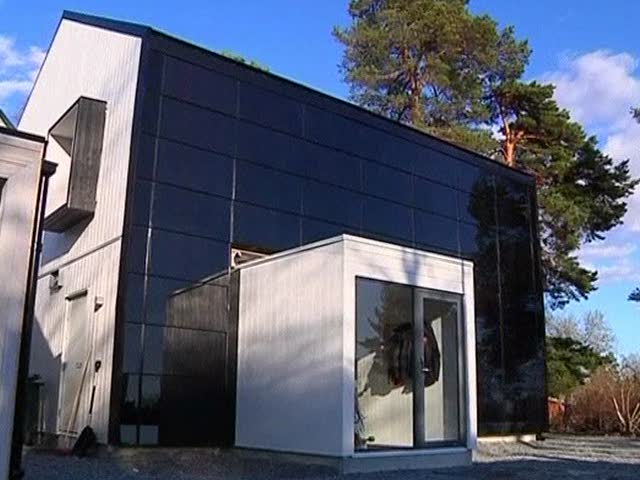 The Lindel family are attempting to live a low carbon life as part of an experiment to cut their carbon emissions from the annual average of seven tonnes per person to only one tonne.
more »
The Lindel family are attempting to live a low carbon life as part of an experiment to cut their carbon emissions from the annual average of seven tonnes per person to only one tonne.
more »
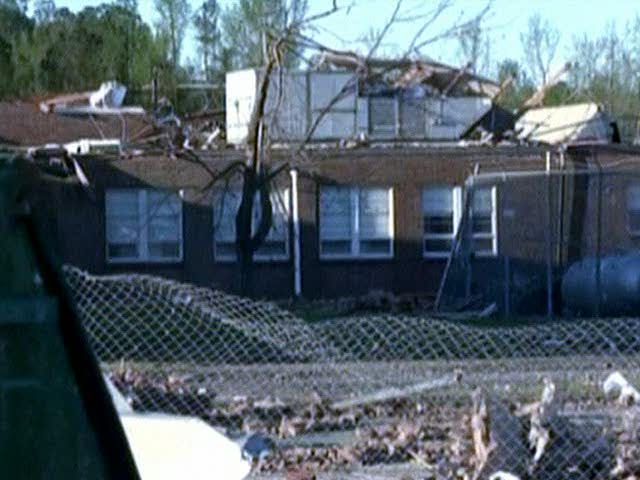 Three days of severe storms and tornadoes in the southern United States have killed at least 39 people.
more »
Three days of severe storms and tornadoes in the southern United States have killed at least 39 people.
more »
 Disagreements over the stalemated NATO military mission in Libya persist on the first day of the NATO foreign ministers' meeting in Berlin.
more »
Disagreements over the stalemated NATO military mission in Libya persist on the first day of the NATO foreign ministers' meeting in Berlin.
more »
 Tourists go head-to-head with locals in water fights as celebrates its New Year.
more »
Tourists go head-to-head with locals in water fights as celebrates its New Year.
more »
 Six thousand Lego lovers and a crane create the world's largest Lego tower in Sao Paulo.
more »
Six thousand Lego lovers and a crane create the world's largest Lego tower in Sao Paulo.
more »