The explosions and gunfire that have rocked the former Soviet republic of Uzbekistan this week dramatically raised fears of an onslaught of regional terrorism that could send tremors as far as Washington and Moscow
Published:
3 April 2004 y., Saturday
Both the United States and Russia regard the countries of Central Asia as vital security interests and watched with alarm as Uzbekistan was gripped by suicide bombings and police shootouts with apparent Islamic extremists, in which more than 40 people have died since Sunday.
The United States places high importance on stability in the oil-rich region, which borders Russia, Afghanistan and Iran, especially since the Sept. 11, 2001, terror attacks.
U.S.-led coalition forces are using bases in Uzbekistan, Kyrgyzstan and Tajikistan to help fight against Taliban and al-Qaida insurgents in Afghanistan. Russia opened its own air base in Kyrgyzstan in what was seen as a response to the American presence.
Washington also hopes that Kazakhstan and Turkmenistan will become reliable suppliers of oil from the rich Caspian Sea fields, potentially reducing Western dependence on oil from the turbulent Middle East.
But the United States also considers Central Asia a potential breeding ground for Islamic extremism and a possible marketplace for nuclear or dirty bomb components.
Central Asia has a more immediate impact on Russia's security. It provides gas and oil that heat many Russians' homes and flow through its lucrative pipelines. The region also is a virtual pipeline for illegal immigrants and drug traffickers toting Afghan heroin, heading to Russia or Western Europe. Growing instability would undermine efforts to stem these flows.
Šaltinis:
seattlepi.nwsource.com
Copying, publishing, announcing any information from the News.lt portal without written permission of News.lt editorial office is prohibited.
The most popular articles
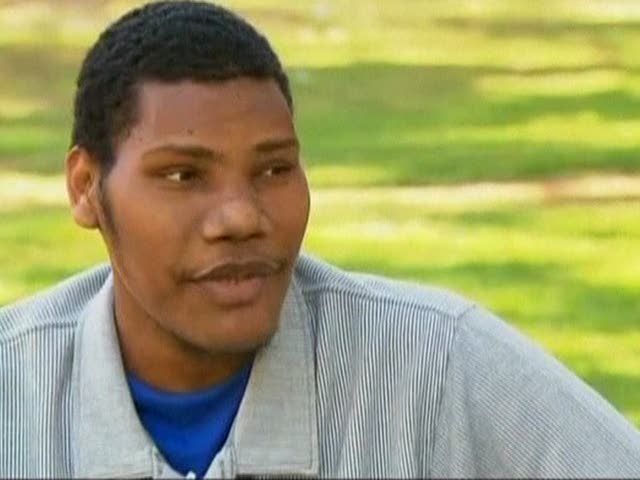 Guinness World Records officially declares that an Australian man has the world's largest feet.
more »
Guinness World Records officially declares that an Australian man has the world's largest feet.
more »
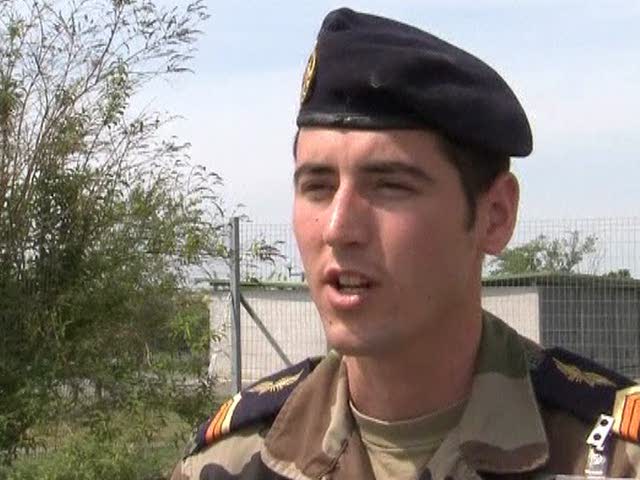 It's a sniffer dog with a difference: a military Belgian Shepherd that has been trained to detect signs of prostate cancer in patients' urine. According to French scientists, the dog can do it far more accurately than any currently available scientific technique.
more »
It's a sniffer dog with a difference: a military Belgian Shepherd that has been trained to detect signs of prostate cancer in patients' urine. According to French scientists, the dog can do it far more accurately than any currently available scientific technique.
more »
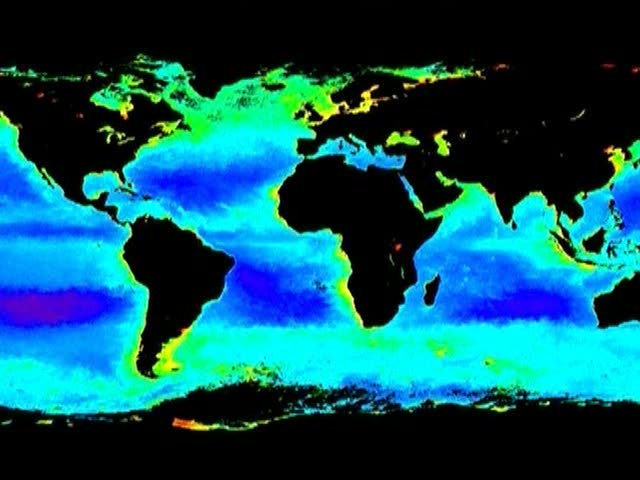 This week marks the beginning of hurricane season in the United States and scientists will be watching closely in the wake of extreme weather patterns that have devastated the Midwest. One of the questions they're trying to answer focuses on the impact of climate change and global warming.
more »
This week marks the beginning of hurricane season in the United States and scientists will be watching closely in the wake of extreme weather patterns that have devastated the Midwest. One of the questions they're trying to answer focuses on the impact of climate change and global warming.
more »
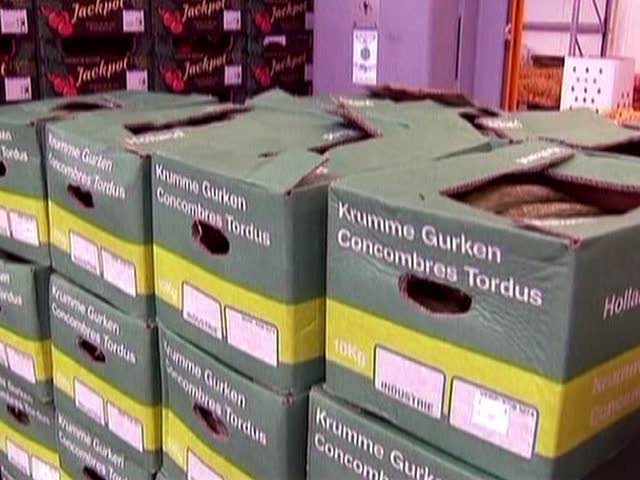 Spanish cucumbers are being blame for an E.coli outbreak that killed 10 people in Germany and sickened hundreds.
more »
Spanish cucumbers are being blame for an E.coli outbreak that killed 10 people in Germany and sickened hundreds.
more »
 Protesters clash with police as pro Mladic rallies continue in the Serbian capital.
more »
Protesters clash with police as pro Mladic rallies continue in the Serbian capital.
more »
 Japan, Geiger counters, radiation leak, Fuji Electric
more »
Japan, Geiger counters, radiation leak, Fuji Electric
more »
 Chinese artist Qi Baishi's ink-wash work is auctioned for 65.4 million U.S. Dollars (425 million yuan) in Beijing, setting a new record for contemporary Chinese painting.
more »
Chinese artist Qi Baishi's ink-wash work is auctioned for 65.4 million U.S. Dollars (425 million yuan) in Beijing, setting a new record for contemporary Chinese painting.
more »
 Georgian police wearing full riot gear used water cannons and rubber bullets to disperse protesters in Tiblisi.
more »
Georgian police wearing full riot gear used water cannons and rubber bullets to disperse protesters in Tiblisi.
more »
 CT scanning has allowed scientists to identify and recreate in stunning three-dimensional detail, an ancient spider trapped in amber for 50 million years...
more »
CT scanning has allowed scientists to identify and recreate in stunning three-dimensional detail, an ancient spider trapped in amber for 50 million years...
more »
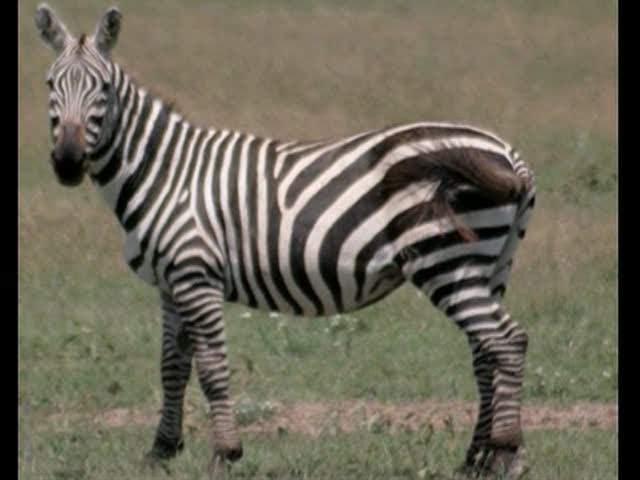 Researchers in Chicago have developed a new barcoding system that can identify and track zebras by their unique stripe patterns. The scientists say their computer program can also be modified to keep track of endangered species like tigers and some giraffe species.
more »
Researchers in Chicago have developed a new barcoding system that can identify and track zebras by their unique stripe patterns. The scientists say their computer program can also be modified to keep track of endangered species like tigers and some giraffe species.
more »