Handheld devices, once solely the province of CEOs needing a small electronic organizational device, are another step closer to being accepted as teaching aids in public schools
Published:
13 November 2002 y., Wednesday
Classroom technology proponents, always desperate for institutional proof that new gadgets can improve the learning process, can thank a study by nonprofit research and development firm SRI International.
The study showed PDAs not only help organize calendars and phone numbers, but are also useful to students. PDAs can help in collecting data, writing papers, checking facts, synching data with desktops and laptops, and collaborating on projects.
It may not seem like much at face value, but a study like the one released Monday can have a domino effect.
The study observed that 89 percent of teachers found the handhelds to be an effective instructional tool for teachers, 93 percent believe the PDAs can have a positive effect on students' learning, and 90 percent plan to continue using the devices post-study.
Out of 1,200 applications, about 100 teachers in a variety of different subjects and grade levels across the country received Palm Education Pioneer technology grants for the 2001-2002 school year. Palm donated more than $2.3 million in equipment to participating schools.
Teachers themselves proposed ideas for how the Palms would be used in their classrooms.
Šaltinis:
wired.com
Copying, publishing, announcing any information from the News.lt portal without written permission of News.lt editorial office is prohibited.
The most popular articles

The European Commission announced today the award of three of the six contracts for the procurement of Galileo’s initial operational capability.
more »
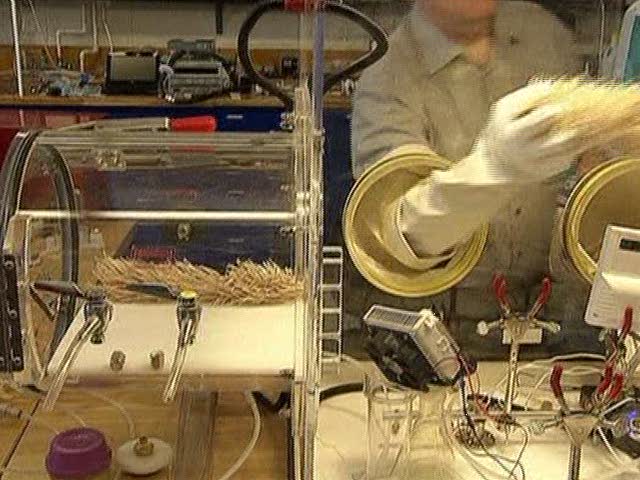 Scientists at New York's Columbia University are developing a synthetic tree that removes CO2 from the atmosphere. The researchers say the tree, if mass produced, could make a significant difference to the quality of the air we breathe.
more »
Scientists at New York's Columbia University are developing a synthetic tree that removes CO2 from the atmosphere. The researchers say the tree, if mass produced, could make a significant difference to the quality of the air we breathe.
more »
 ZenRobotics Recycler is a robotic waste sorting system. Built with off the shelf industrial robotics components, the system utilizes machine learning to separate raw materials from waste.
more »
ZenRobotics Recycler is a robotic waste sorting system. Built with off the shelf industrial robotics components, the system utilizes machine learning to separate raw materials from waste.
more »
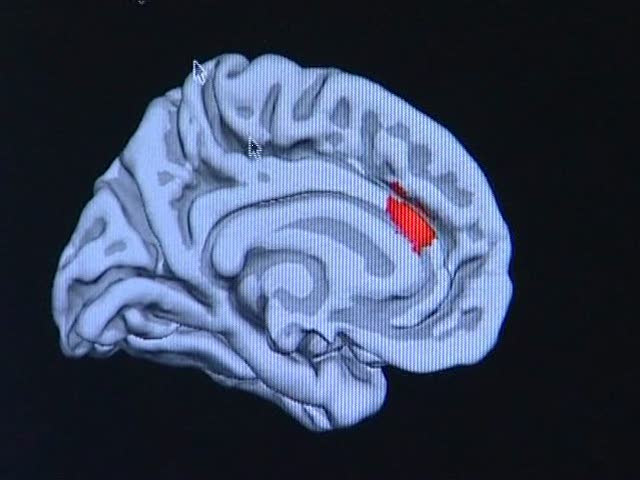 Scientists in the UK have revealed that people with opposing political views have different brain structures. The London University College researchers say the part of the brain that processes emotional reactions is larger in conservatives than in liberals.
more »
Scientists in the UK have revealed that people with opposing political views have different brain structures. The London University College researchers say the part of the brain that processes emotional reactions is larger in conservatives than in liberals.
more »
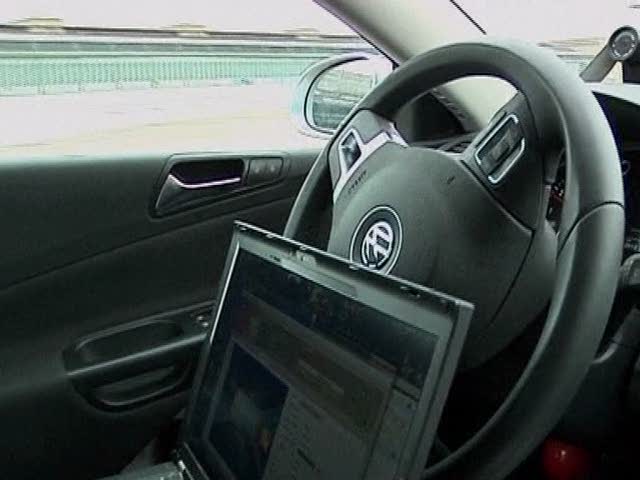 German scientists are developing technology which allows a person to steer and drive a car using brain power alone. Using a cap fitted with sensors and an onboard computer, the researchers are able to control their experimental Volkswagen, just by thinking about it.
more »
German scientists are developing technology which allows a person to steer and drive a car using brain power alone. Using a cap fitted with sensors and an onboard computer, the researchers are able to control their experimental Volkswagen, just by thinking about it.
more »
 A German company is testing a giant battery which it hopes will be able to store enough solar and wind energy to supply an entire community. The trial is taking place on Portugal's Azores island of Graciosa.
more »
A German company is testing a giant battery which it hopes will be able to store enough solar and wind energy to supply an entire community. The trial is taking place on Portugal's Azores island of Graciosa.
more »
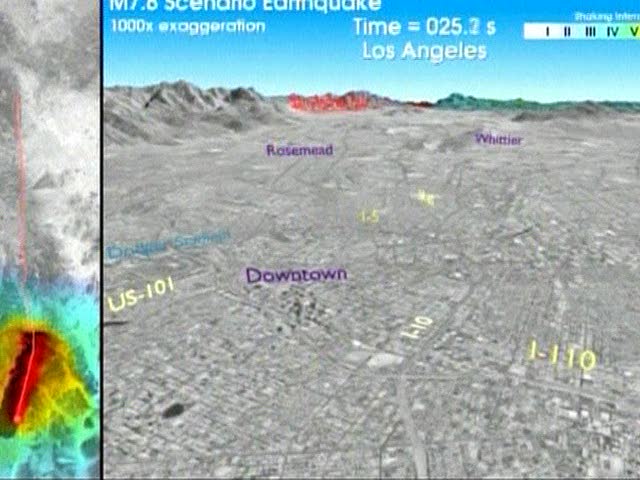 Japan's devastating earthquake of March 11 has raised concerns among geoscientists that the West Coast of the United States is likely to be next.
more »
Japan's devastating earthquake of March 11 has raised concerns among geoscientists that the West Coast of the United States is likely to be next.
more »
 „Duolingo“ is the latest project of Luis von Ahn, who is working for “Google”. It has been blowing up on Hacker News for the past day, though not too much is known about it.
more »
„Duolingo“ is the latest project of Luis von Ahn, who is working for “Google”. It has been blowing up on Hacker News for the past day, though not too much is known about it.
more »
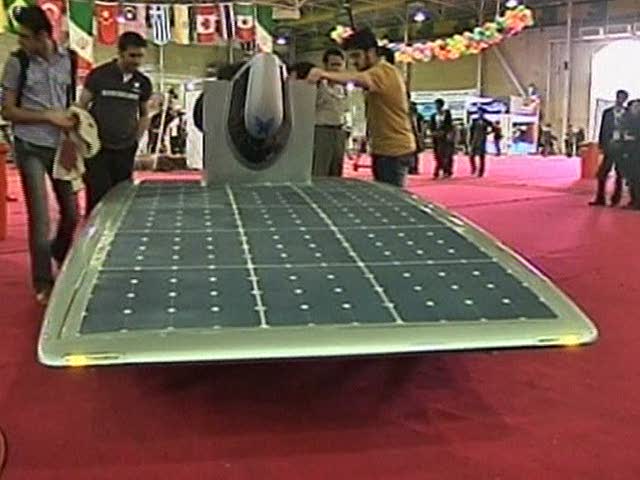 University students in Iran have developed their own version of a solar-powered car. The environmentally-friendly 'Havin' can travel up to 130 kilometers an hour.
more »
University students in Iran have developed their own version of a solar-powered car. The environmentally-friendly 'Havin' can travel up to 130 kilometers an hour.
more »
 Researchers in California have created a way to place a call on a cell phone using just your thoughts.
more »
Researchers in California have created a way to place a call on a cell phone using just your thoughts.
more »
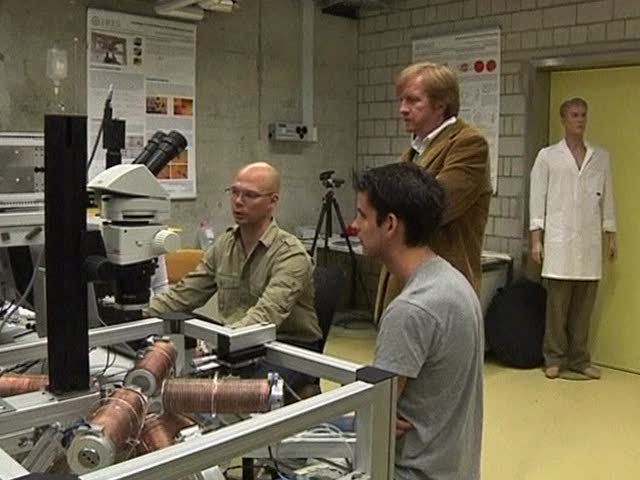 Researchers in Switzerland are perfecting a robot small enough to be injected into your eye without anaesthetic. The team say their device could carry drugs to the exact position they are needed or even carry out minor operations.
more »
Researchers in Switzerland are perfecting a robot small enough to be injected into your eye without anaesthetic. The team say their device could carry drugs to the exact position they are needed or even carry out minor operations.
more »