About 6,000 Russian teenagers and schoolchildren staged a noisy protest outside Latvia's parliament
Published:
7 February 2004 y., Saturday
About 6,000 Russian teenagers and schoolchildren staged a noisy protest outside Latvia's parliament just before lawmakers passed a law Thursday requiring that all public schools -- including those with all-Russian student bodies -- teach mainly in Latvian.
In what was one of the largest demonstrations in recent Latvian history, hundreds of children waved mostly Russian-language placards, one reading, "Don't twist our arms. Let us speak Latvian voluntarily!"
The crowd also chanted "hands off our school" and "no to the reforms" in Russian. The new law mandates that at least 60 percent of classes in public schools, even those catering to the large Russian-speaking minority, must be taught in Latvian starting in September.
After several hours of heated debate, with many ethnic-Russian deputies speaking in opposition, the 100-seat Saeima overwhelmingly approved the legislation by a 71-25 vote. Other deputies either weren't present or didn't vote.
Russians call the requirements discriminatory and say they are an attack on their way of life, charges echoed by Moscow.
Latvians counter that they are meant to help integrate minorities, adding that those who don't learn Latvian will find it hard to secure good jobs.
Šaltinis:
themoscowtimes.com
Copying, publishing, announcing any information from the News.lt portal without written permission of News.lt editorial office is prohibited.
The most popular articles

The European Commission announced today the award of three of the six contracts for the procurement of Galileo’s initial operational capability.
more »
 South Korea is pushing forward with a plan to completely digitize its classrooms by 2015.
more »
South Korea is pushing forward with a plan to completely digitize its classrooms by 2015.
more »
 A blood test that determines the length of telomeres, the protective caps at the ends of chromosomes that wear down as we get old, are now on sale to the public. The researchers who developed the test say it will allow people to get a sense of how fast they are ageing.
more »
A blood test that determines the length of telomeres, the protective caps at the ends of chromosomes that wear down as we get old, are now on sale to the public. The researchers who developed the test say it will allow people to get a sense of how fast they are ageing.
more »
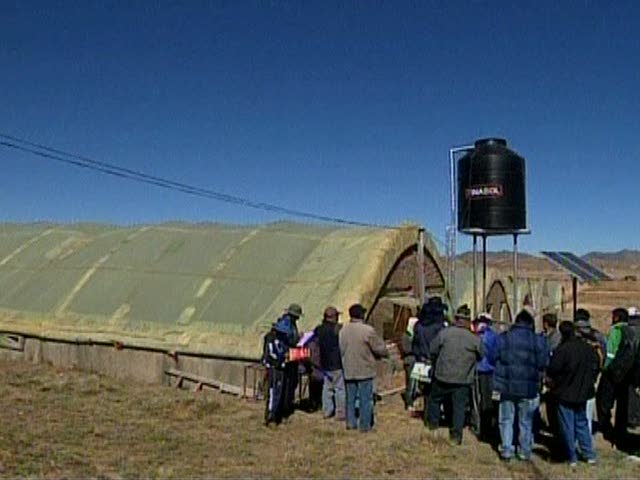 On the windswept high plains of Bolivia, an energy revolution is under way. Small communities, never connected to the power grid, now have access to electric power for the first time through solar and wind power systems, introduced one village at a time by engineers at a Cochambama University.
more »
On the windswept high plains of Bolivia, an energy revolution is under way. Small communities, never connected to the power grid, now have access to electric power for the first time through solar and wind power systems, introduced one village at a time by engineers at a Cochambama University.
more »
 A robotic mouth may not seem like a must-have accessory for your robotic workforce but Japanese researchers say that future human-robot communications may well depend on such devices. The mouth was just one of many robotic innovations on display at this year's Robotech expo in Tokyo.
more »
A robotic mouth may not seem like a must-have accessory for your robotic workforce but Japanese researchers say that future human-robot communications may well depend on such devices. The mouth was just one of many robotic innovations on display at this year's Robotech expo in Tokyo.
more »
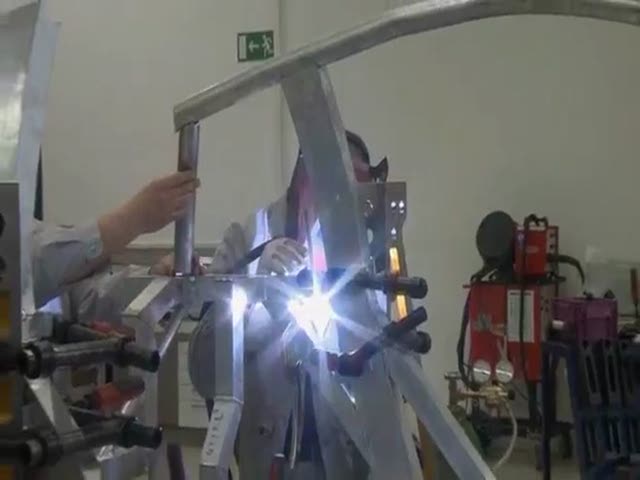 Scientists from Munich's Technical University will be joining the world's major car manufacturers at the Frankfurt Auto Show later this year, with an electric vehicle they have designed and built themselves.
more »
Scientists from Munich's Technical University will be joining the world's major car manufacturers at the Frankfurt Auto Show later this year, with an electric vehicle they have designed and built themselves.
more »
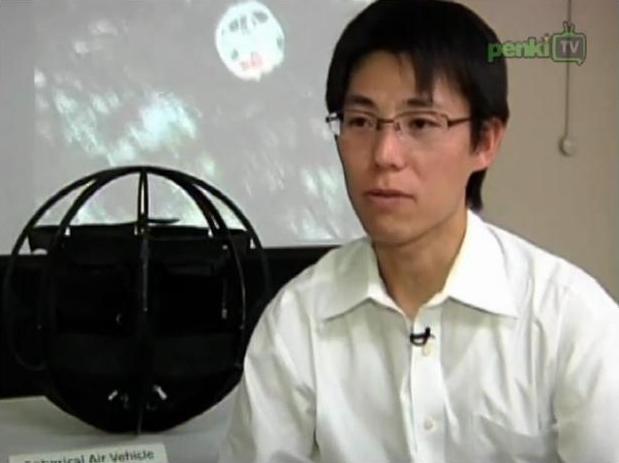 Researchers from Japan's Ministry of Defense have developed an unmanned aerial vehicle with a difference.
more »
Researchers from Japan's Ministry of Defense have developed an unmanned aerial vehicle with a difference.
more »
 An Israeli company hopes to revolutionize the green solutions market with solar windows that combine electricity production, energy reduction and transparent design.
more »
An Israeli company hopes to revolutionize the green solutions market with solar windows that combine electricity production, energy reduction and transparent design.
more »
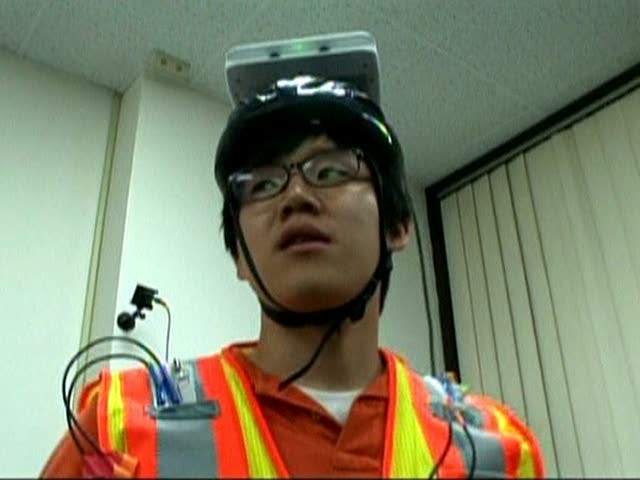 Guide dogs and white canes have, for years, helped the blind and visually impaired navigate the world around them but soon, technology may also have an important part to play.
more »
Guide dogs and white canes have, for years, helped the blind and visually impaired navigate the world around them but soon, technology may also have an important part to play.
more »
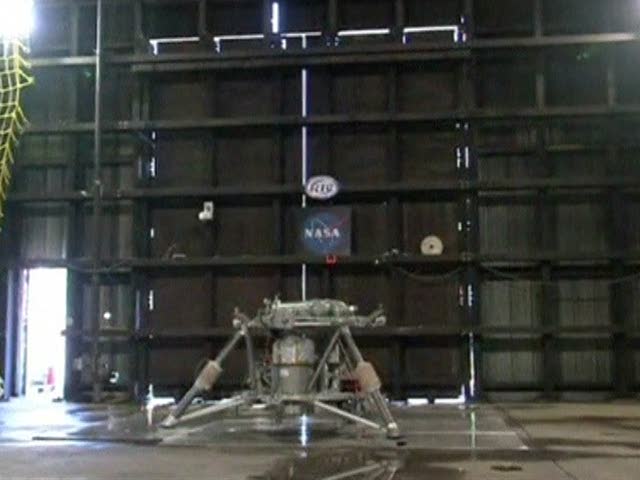 Infrared video released by US space agency, NASA, shows how future robotic landers might hover and land autonomously on asteroids or lunar surfaces. The agency has been testing the compact vehicles for missions to airless environments where parachutes will not work.
more »
Infrared video released by US space agency, NASA, shows how future robotic landers might hover and land autonomously on asteroids or lunar surfaces. The agency has been testing the compact vehicles for missions to airless environments where parachutes will not work.
more »
 Small fin-propelled robots may soon be plunging in to the depths of the human body, helping patients find checkups easier to stomach.
more »
Small fin-propelled robots may soon be plunging in to the depths of the human body, helping patients find checkups easier to stomach.
more »