About 6,000 Russian teenagers and schoolchildren staged a noisy protest outside Latvia's parliament
Published:
7 February 2004 y., Saturday
About 6,000 Russian teenagers and schoolchildren staged a noisy protest outside Latvia's parliament just before lawmakers passed a law Thursday requiring that all public schools -- including those with all-Russian student bodies -- teach mainly in Latvian.
In what was one of the largest demonstrations in recent Latvian history, hundreds of children waved mostly Russian-language placards, one reading, "Don't twist our arms. Let us speak Latvian voluntarily!"
The crowd also chanted "hands off our school" and "no to the reforms" in Russian. The new law mandates that at least 60 percent of classes in public schools, even those catering to the large Russian-speaking minority, must be taught in Latvian starting in September.
After several hours of heated debate, with many ethnic-Russian deputies speaking in opposition, the 100-seat Saeima overwhelmingly approved the legislation by a 71-25 vote. Other deputies either weren't present or didn't vote.
Russians call the requirements discriminatory and say they are an attack on their way of life, charges echoed by Moscow.
Latvians counter that they are meant to help integrate minorities, adding that those who don't learn Latvian will find it hard to secure good jobs.
Šaltinis:
themoscowtimes.com
Copying, publishing, announcing any information from the News.lt portal without written permission of News.lt editorial office is prohibited.
The most popular articles
The European Commission announced today the award of three of the six contracts for the procurement of Galileo’s initial operational capability.
more »
 Cosmologists A. Coley from Canada's Dalhousie University and B. Carr from Queen Mary University in London, have published a paper on arXiv, where they suggest that some so-called primordial black holes might have been created in the Big Crunch that came before the Big Bang, which lends support to the theory that the Big Bang was not a single event, but one that occurs over and over again as the universe crunches down to a single point, then blows up again, over and over.
more »
Cosmologists A. Coley from Canada's Dalhousie University and B. Carr from Queen Mary University in London, have published a paper on arXiv, where they suggest that some so-called primordial black holes might have been created in the Big Crunch that came before the Big Bang, which lends support to the theory that the Big Bang was not a single event, but one that occurs over and over again as the universe crunches down to a single point, then blows up again, over and over.
more »
 For mobile phone users, a flat battery or a lost charger are among the frustrations of modern life.
more »
For mobile phone users, a flat battery or a lost charger are among the frustrations of modern life.
more »
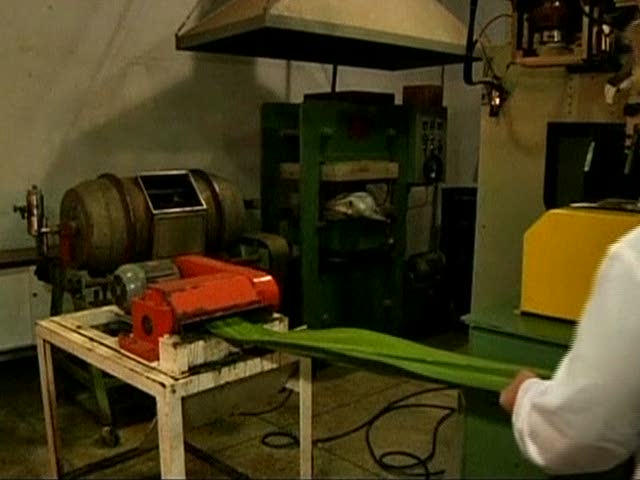 Scientists in Brazil have developed a method of turning pineapples, banana peels and other fibrous plants into plastic. The researchers say the material is strong, lightweight and eco-friendly and will soon replace conventional plastics in auto manufacturing.
more »
Scientists in Brazil have developed a method of turning pineapples, banana peels and other fibrous plants into plastic. The researchers say the material is strong, lightweight and eco-friendly and will soon replace conventional plastics in auto manufacturing.
more »
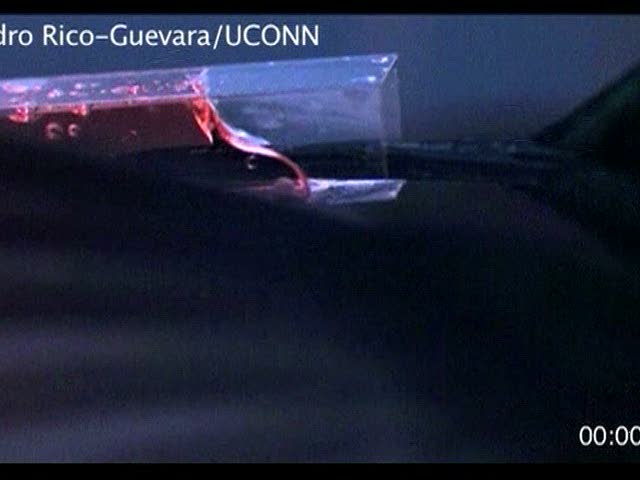 Research released this week has debunked a 180-year-old theory of how hummingbirds gather nectar. Using high speed cameras and some ingenuity, a graduate student at the University of Connecticut slowed down time to get a better look at how the tiny birds eat
more »
Research released this week has debunked a 180-year-old theory of how hummingbirds gather nectar. Using high speed cameras and some ingenuity, a graduate student at the University of Connecticut slowed down time to get a better look at how the tiny birds eat
more »
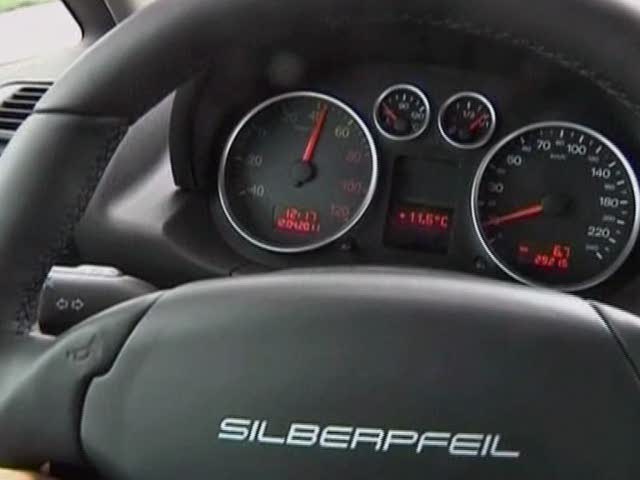 A German company has developed a battery-powered electric car capable of driving 450 kilometres on a single charge. By comparison, the Nissan Leaf has a range of 160 kilometres per charge and Chevrolet's Volt, about 70 kilometres.
more »
A German company has developed a battery-powered electric car capable of driving 450 kilometres on a single charge. By comparison, the Nissan Leaf has a range of 160 kilometres per charge and Chevrolet's Volt, about 70 kilometres.
more »
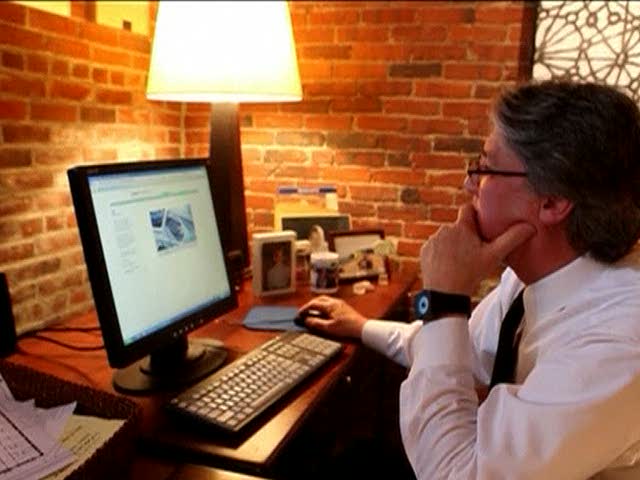 As our planet becomes more crowded, city planners and architects are trying to come up with new ideas for future human habitation. We've seen biospheres and proposals for underground housing, but now one Boston-based architectural firm has come up with a conceptual plan that envisages cities that float.
more »
As our planet becomes more crowded, city planners and architects are trying to come up with new ideas for future human habitation. We've seen biospheres and proposals for underground housing, but now one Boston-based architectural firm has come up with a conceptual plan that envisages cities that float.
more »
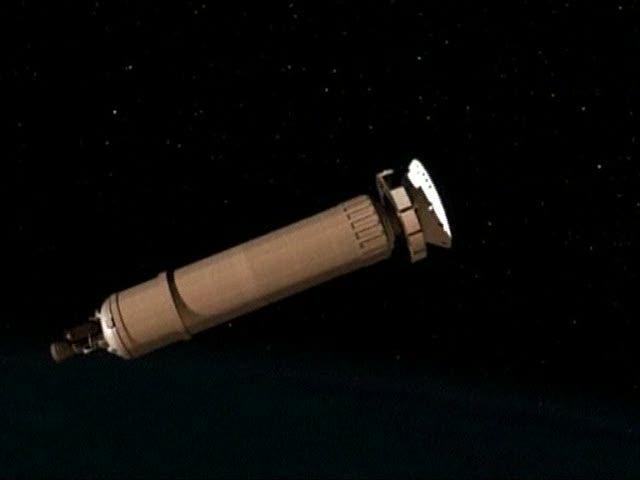 While the US shuttle programme may be winding down, the drive to explore our solar system is as strong as ever. Mars is still the focus for many scientists and excitement is growing about November's scheduled launch of the latest Mars rover, Curiosity, now in its final stages of testing at the Jet Propulsion Laboratory in California.
more »
While the US shuttle programme may be winding down, the drive to explore our solar system is as strong as ever. Mars is still the focus for many scientists and excitement is growing about November's scheduled launch of the latest Mars rover, Curiosity, now in its final stages of testing at the Jet Propulsion Laboratory in California.
more »
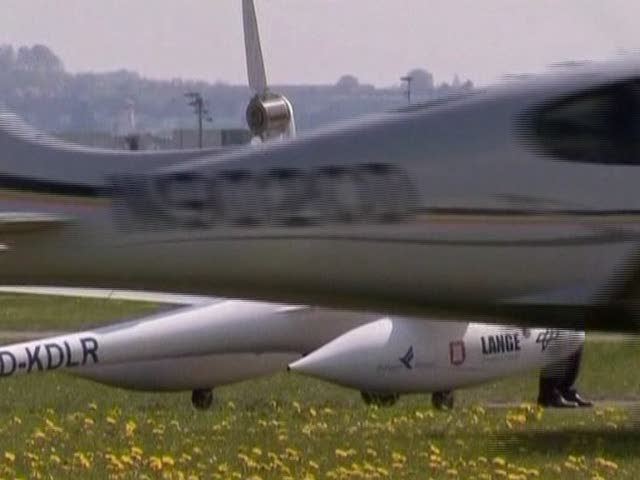 A German company hopes to run the world's first all-electric commercial aircraft business after successful test flights of its prototype aircraft, the Elektra One.
more »
A German company hopes to run the world's first all-electric commercial aircraft business after successful test flights of its prototype aircraft, the Elektra One.
more »
 In the future, the commercial farms could possibly be managed by robots, which would spray, identify and pick produce from plants such as peppers, grapes and apples.
more »
In the future, the commercial farms could possibly be managed by robots, which would spray, identify and pick produce from plants such as peppers, grapes and apples.
more »
 Car engines could soon be fired by lasers instead of spark plugs, researchers say.
more »
Car engines could soon be fired by lasers instead of spark plugs, researchers say.
more »