White House Urged To Use Internet As Human-Rights Soapbox
Published:
11 February 2001 y., Sunday
The Bush administration should consider reaching out to other nations to encourage use of the Internet as a tool for promoting US interests and improving human rights conditions abroad, a report issued publicly today asserts.
"To advance American security, political and economic interests, the United States should focus greater attention upon fostering the expansion of foreign Internet access and use, particularly in nations that are economically marginalized or struggling to solidify democracy," the Lawyers Committee for Human Rights said.
The report, presented to top-ranking officials in the Bush administration on Thursday, advocates a policy of techno-activism abroad to fight foreign oppressive regimes and to pave the way for American high-tech companies.
"Because the US private sector remains a leader in all aspects of information technology, American firms are well positioned to provide the infrastructure, hardware, software and training needed as Internet use expands," the report notes.
The 200-page study likens the Internet – as a tool for democratization – to the influence of Radio Free Europe and Voice of America during the Cold War, noting that the Web has enormous potential in exporting American values and democratization in many repressive nations that restrict media and the press.
The study also references a recent estimate by the international press advocacy group Reporters Sans Frontieres (Reporters Without Borders), which says more than 45 countries "severely restrict" the Internet by forcing users to filter content, subscribe to a state-run ISP or register with authorities.
The group said some 20 nations, including Iran, Iraq, Libya, China, Cuba and North Korea and several other countries that the US keeps at a safe distance virtually ban the Internet from their borders. Such nations are just as likely to use the Internet against their own citizens, the Lawyers Committee said.
The report urges the Bush administration to call for end to all government restrictions on Web use, and to use its embassies and military bases abroad as a jumping off point for expanding public Internet access for non-commercial users.
Šaltinis:
Newsbytes
Copying, publishing, announcing any information from the News.lt portal without written permission of News.lt editorial office is prohibited.
The most popular articles
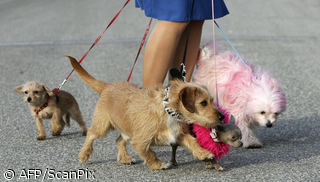 As families across the United States struggle to keep their homes and their jobs, they are having to make all kinds of sacrifices - including giving up their pets.
more »
As families across the United States struggle to keep their homes and their jobs, they are having to make all kinds of sacrifices - including giving up their pets.
more »
 Unless you are lucky enough to be sitting in a park with a laptop, then if you are reading this you are probably in one of the 160 million buildings in the European Union.
more »
Unless you are lucky enough to be sitting in a park with a laptop, then if you are reading this you are probably in one of the 160 million buildings in the European Union.
more »
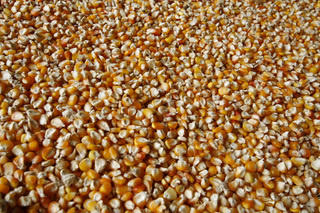 Germany's decided to ban the cultivation - and sale - of maize with genetically modified organisms, also known as GMOs.
more »
Germany's decided to ban the cultivation - and sale - of maize with genetically modified organisms, also known as GMOs.
more »
 U.S president Barack Obama has lived up to his election night promise. A new First Dog will soon be gracing the lawns of the White House.
more »
U.S president Barack Obama has lived up to his election night promise. A new First Dog will soon be gracing the lawns of the White House.
more »
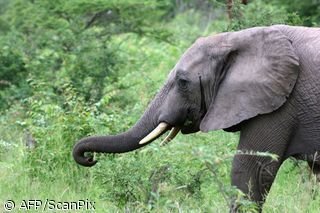 Ninio - bull elephant to come to Poznan Zoo in Poland - is suspected of being gay and unlikely to be much help in creating any baby elephants at the zoo.
more »
Ninio - bull elephant to come to Poznan Zoo in Poland - is suspected of being gay and unlikely to be much help in creating any baby elephants at the zoo.
more »
 The New York town of Hempstead bought five Nigerian dwarf baby goats for removing weeds at a park.
more »
The New York town of Hempstead bought five Nigerian dwarf baby goats for removing weeds at a park.
more »
 Pensioner Bernhard Nermerich and his wife Michaela, love nothing more than preparing to celebrate Easter.
more »
Pensioner Bernhard Nermerich and his wife Michaela, love nothing more than preparing to celebrate Easter.
more »
 The impact of poverty on women and the work-life balance are just two issues the Women's Rights Committee had tackled over the last Parliamentary term.
more »
The impact of poverty on women and the work-life balance are just two issues the Women's Rights Committee had tackled over the last Parliamentary term.
more »
 No-one has bought it yet but this wedding dress is already proving to be a tourist attraction in Romania.
more »
No-one has bought it yet but this wedding dress is already proving to be a tourist attraction in Romania.
more »
 More than 100 Irish women leaders (and some men), from all walks of life, came together to exchange views on the economic crisis at a special one-day conference entitled "Challenges to Irish women in the current economic climate" held in Dublin on 4 April.
more »
More than 100 Irish women leaders (and some men), from all walks of life, came together to exchange views on the economic crisis at a special one-day conference entitled "Challenges to Irish women in the current economic climate" held in Dublin on 4 April.
more »