White House Urged To Use Internet As Human-Rights Soapbox
Published:
11 February 2001 y., Sunday
The Bush administration should consider reaching out to other nations to encourage use of the Internet as a tool for promoting US interests and improving human rights conditions abroad, a report issued publicly today asserts.
"To advance American security, political and economic interests, the United States should focus greater attention upon fostering the expansion of foreign Internet access and use, particularly in nations that are economically marginalized or struggling to solidify democracy," the Lawyers Committee for Human Rights said.
The report, presented to top-ranking officials in the Bush administration on Thursday, advocates a policy of techno-activism abroad to fight foreign oppressive regimes and to pave the way for American high-tech companies.
"Because the US private sector remains a leader in all aspects of information technology, American firms are well positioned to provide the infrastructure, hardware, software and training needed as Internet use expands," the report notes.
The 200-page study likens the Internet – as a tool for democratization – to the influence of Radio Free Europe and Voice of America during the Cold War, noting that the Web has enormous potential in exporting American values and democratization in many repressive nations that restrict media and the press.
The study also references a recent estimate by the international press advocacy group Reporters Sans Frontieres (Reporters Without Borders), which says more than 45 countries "severely restrict" the Internet by forcing users to filter content, subscribe to a state-run ISP or register with authorities.
The group said some 20 nations, including Iran, Iraq, Libya, China, Cuba and North Korea and several other countries that the US keeps at a safe distance virtually ban the Internet from their borders. Such nations are just as likely to use the Internet against their own citizens, the Lawyers Committee said.
The report urges the Bush administration to call for end to all government restrictions on Web use, and to use its embassies and military bases abroad as a jumping off point for expanding public Internet access for non-commercial users.
Šaltinis:
Newsbytes
Copying, publishing, announcing any information from the News.lt portal without written permission of News.lt editorial office is prohibited.
The most popular articles
 At the national war memorial in New Delhi, India's war widows and daughters remember their fallen.
more »
At the national war memorial in New Delhi, India's war widows and daughters remember their fallen.
more »
 By 2020, three out of four people employed in the EU will be working in services like insurance, healthcare, retail and education, according to a new report on the future of the European job market.
more »
By 2020, three out of four people employed in the EU will be working in services like insurance, healthcare, retail and education, according to a new report on the future of the European job market.
more »
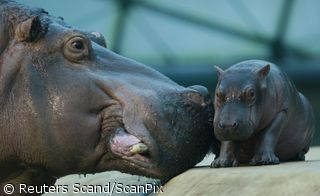 Berlin Zoo's very pleased about the new arrival, as she's the first hippo to be born in Berlin in three years.
more »
Berlin Zoo's very pleased about the new arrival, as she's the first hippo to be born in Berlin in three years.
more »
 MEPs and EU ministers are trying to reach an agreement on how many hours we should work and whether countries should continue to be allowed to opt out of these rules.
more »
MEPs and EU ministers are trying to reach an agreement on how many hours we should work and whether countries should continue to be allowed to opt out of these rules.
more »
 Tanks, guns, socks: the buying of military equipment like this from abroad is complicated due to export rules all being different.
more »
Tanks, guns, socks: the buying of military equipment like this from abroad is complicated due to export rules all being different.
more »
 The life-size replica of the real monument of love has just opened to the public.
more »
The life-size replica of the real monument of love has just opened to the public.
more »
 A series of ice statues symbolizing the dangers of global warming welcomed delegates to the climate change conference taking place in Poznań this week.
more »
A series of ice statues symbolizing the dangers of global warming welcomed delegates to the climate change conference taking place in Poznań this week.
more »
 The diamond is 35.56 carats and dates back to the 17th century.
more »
The diamond is 35.56 carats and dates back to the 17th century.
more »
 Around two million muslims performed the pilgrimage on their haj, which in the past has been tarred by hotel collapses and stampedes.
more »
Around two million muslims performed the pilgrimage on their haj, which in the past has been tarred by hotel collapses and stampedes.
more »
 Yuebin or Happy Guest restaurant became Communist China's first private restaurant.
more »
Yuebin or Happy Guest restaurant became Communist China's first private restaurant.
more »