Breaking down barriers for disabled people

Published: 16 November 2010 y., Tuesday

Ten–year strategy for people with disabilities so they can take part in all aspects of daily life across the EU.
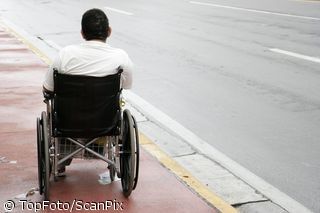
About 80 million people living in the EU have a mild to severe disability. The physical obstacles they face, like gaining access to a school or work place, leave them vulnerable to social exclusion. Lower employment and education levels mean the poverty rate for those with disabilities is 70% higher than the average.

The European Disability Strategy aims to make it easier for people with disabilities to go about their daily lives like everyone else – and enjoy their rights as an EU citizen.

It will ensure access to EU funding, raise public awareness about disability, and encourage member governments to work together in removing obstacles to inclusion.

It will also fulfil the EU's commitment to the UN Convention on the Rights of Persons with Disabilities, which the bloc and its member countries signed in 2007.

The strategy's targets for the first five years include:

  • devising policies for inclusive, high–quality education
  • ensuring the European Platform Against Poverty includes a special focus on people with disabilities. The forum brings together experts who share best practices and experience
  • working towards the recognition of disability cards throughout the EU to ensure equal treatment when working, living or travelling in the bloc
  • developing accessibility standards for voting premises and campaign material
  • taking the rights of people with disabilities into account in external development programmes and for EU candidate countries.

The commission will also consider proposing a “European Accessibility Act”, which would set EU standards for products, services, and public buildings. For example, it would make it easier for manufacturers of assistive devices like wheelchairs or large print keyboards to trade across borders, bringing costs down.

Promoting accessibility is an important part of creating a culture of equal opportunities for all in the EU. But it also stands to benefit the economy as a whole. Boosting the industries that invest in accessible products and services will foster innovation and create jobs.

Šaltinis: ec.europa.eu
Copying, publishing, announcing any information from the News.lt portal without written permission of News.lt editorial office is prohibited.

Facebook Comments

New comment


Captcha

Associated articles

The most popular articles

Debate on immigration and the environment in the EU

This Saturday, 24 April, the Carlos de Amberes Foundation is hosting two conferences of European experts on the environment and sustainability and immigration policies in the EU, organised by the Allianz Cultural Foundation in the context of the Allianz Alumni Academy. more »

Mumbai's Oberoi hotel to reopen

The Trident-Oberoi Hotel in Mumbai to reopen, following renovations after militant attacks in 2008 more »

Stranded tourists shelter in Harlem

Fresh from their wedding in Jamaica, British tourists Siobhan and David Monteith never thought for a minute that a volcano would interrupt their honeymoon. more »

Manila's bicycle message

The streets of Manila filled with a colourful display on wheels, just days before the world celebrates Earth Day’s 40th anniversary. more »

World's youngest king celebrated

Tens of thousands of Ugandans flocked to the hilltop palace of Africa’s youngest tribal ruler for two days of noisy parties marking a decade in power for the 18-year-old king. more »

Ancient arts performance in Taiwan

Colourful warriors leap across the stage at the 6th annual Songjiang Battle Array, in Neimen, southern Taiwan. more »

Product safety update

Consumers benefit from greater use of European product safety alert system and more effective market surveillance. more »

Migrant integration: Commission announces a new EU strategy and presents the third 'Handbook' at the Zaragoza Ministerial Conference

Representatives from all Member States are gathering for two days in Zaragoza from 15 to 16 April to discuss how migrant integration can become a driver for social cohesion in the EU. more »

1 million signatures for popular democracy

The much heralded "citizens initiative" to change EU laws has been given a cautious welcome by MEPs. Under the scheme - a major innovation of the Lisbon treaty - a million people can back a plan to introduce European legislation. more »

Michel Platini: Football and local authorities working together will score on social inclusion

Football shares Europe's values of integration, solidarity and social inclusion, and can play a significant role in helping the EU to promote them, especially at the local level where clubs are part of their local communities. more »